Look after yourself and others on the road

The holidays are a busy time for roads, with many of us travelling across the country to see friends and family. This makes it an especially important time to be mindful of your driving habits. Whether you’ve been driving for a few, or for many, years it never hurts to review safe driving tips to help look after yourself and others on the road this holiday season.

There’s no need to speed

With more cars than usual on the roads, it can be tempting to make up time by creeping over the legal limits. However, not only is this dangerous but it also greatly increases your chance of having an accident and becoming a hazard to other drivers.

When planning your trip, allow extra time to act as a buffer for delays. Always stick to the speed limit and drive to the conditions. Adjust your speed to the weather, traffic and road conditions, particularly stretches of road you’re unfamiliar with!

Distracted drivers are dangerous drivers

When travelling with friends and family, it can be easy to become distracted while driving. Distractions can come in many forms, but it’s critical to remain focused and have your full attention on the road at all times. This is particularly true when you’re responsible for the safety of others, as well as yourself.

Keep music at a reasonable volume and keep your phone out of sight so you’re not tempted to check it. If travelling solo, pull over if you need to check directions or use your phone for other reasons – never try to multitask behind the wheel. Avoid eating and drinking when you’re driving as this also takes your attention away from the road.

Avoid fatigue

There’s nothing quite like a road trip over summer, making the most of the great weather to explore our beautiful country. If you’re driving long distances be sure to have regular breaks to get some fresh air, stay hydrated, and have a stretch.

Tired drivers are less able to concentrate and have slower reaction times. Where possible, share the travel and don’t drive tired. Get a good night’s sleep if you know you have a long trip ahead the next morning.

Respect other road users

If you’re driving at night be sure to use your lights appropriately and be prepared to take extra caution. Be wary of cyclists, give them enough space and drive past them at an appropriate speed. Keep a safe distance behind cars in front of you to give you the best chance to react to them stopping.

Maintain a safe distance behind large trucks, who have blind spots, and only pass them if and when safe to do so. Always look twice at intersections and never take risks at the possible expense of other drivers.

Safe travels

Being a safe driver means taking care of yourself and others on the road. Give yourself the greatest ability to react to any obstacles or hazards you encounter on the road. Stay mindful of these simple tips to keep yourself safe when travelling.

What is Car-sharing, When Should You Use It?

You can be forgiven if you’ve never heard of car-sharing. While it’s a service that has been around in different forms since the 1970s, it has only recently increased in popularity. It brings the traditional car rental system into the modern, digital, and fast-paced world, by allowing you to rent a car on a short term basis, such as by the hour or half-day.

Car share rental cars can be found dispersed across central locations in many major cities in New Zealand. Unlike traditional car rentals, though, these cars are generally privately owned and the rentals are facilitated by another party. Think of it like a driverless Uber – you’re in charge of the car!

The adoption of apps and digital platforms has meant that this ‘peer-to-peer’ car-sharing is more efficient, safe, and cost-effective than it has ever been. New Zealand’s largest car-sharing company, Yourdrive, has eliminated the previous need for the physical exchange of keys by introducing a ‘digital key’ system. This means that for busy car owners and renters, it’s a simple exchange of a code through the app.

The increasing availability of car-sharing options provides another transport option that proves there are many benefits to ditching private car ownership altogether, particularly in large and densely populated areas.

For example, if you are someone who is able to use public transport most of the time and just need a car for special occasions or out of town trips, car-sharing could be the perfect option for you. Not only would you be helping to ease congestion and limit the number of vehicles on the road but you can also avoid the many costs that come with car ownership and general upkeep.

Similarly, sharing your car as a car owner could allow you to earn some extra income when it would otherwise not be in use, not to mention the feel-good factor of knowing that you’re providing someone else with transport that they need while saving the environment one less car at a time. It also frees up the demand for parking in our main cities.

According to a report on car-sharing by the Ministry of Transport, the best candidates for car-sharing are apartment dwellers, younger people and singles, couples without children at home, those who don’t own a car or rarely have access to a car, and people who use a car one day or less a week.

The CEO of Yourdrive, Oscar Ellision, told Stuff most consumers only use their vehicles about four percent of the time. However, they still carry the fixed costs of vehicle ownership, which work out at around $21 per day for a small car.

“Peer-to-peer vehicle rentals are growing rapidly throughout NZ, particularly in urban areas where public transport infrastructure is well developed. It means that car owners who take the train or bus to work can derive an income from their vehicle when it is not in use,” he says.

4 Ways to Save on your Car Running Costs

For your average New Zealander, keeping a car running efficiently can be one of their biggest annual expenses. When poor maintenance, inefficient driving habits and untimely accidents are thrown into the mix, these costs can quickly skyrocket.

Being aware of the factors that impact your car’s running costs is easier than you think and can save you a surprising amount of money. Read on to find out how you can cut your bills down with some simple habits.

1. Invest in good services and repairs

Referring to your car owner’s manual when deciding on repairs or servicing is a good start. Neglecting – or even over-doing – your vehicle’s maintenance can quickly increase your spending. This is because your vehicle’s manufacturers have put time and effort into providing guidelines on extending the lifespan of different parts of your vehicle, so it would be foolish to ignore this helpful guide.

It is recommended that you get your tyres balanced yearly to minimise the wear on your tread and reduce damage to your suspension system. This simple procedure can significantly increase the lifespan of your tyre tread, saving you money in the long term.

Keeping your vehicle’s engine tuned is also vital to reducing running costs, as a poorly tuned engine can use up to 25-33% more fuel per year than a well-tuned car.

2. Do easy maintenance yourself

There are a number of small vehicle maintenance tasks you can do yourself that will reduce your mechanic’s bill and extend the life expectancy of various parts.

Ensuring your car’s fluids are topped up consistently will allow your engine’s components to operate smoothly. Engine oil, transmission fluid and battery water are just a few of these you should keep an eye on. You can find simple-to-follow instructions for all of these fluid top-ups with a simple web search using your car’s make and model.

Another easy DIY fix is replacing your air filters. This task only takes around 15-20 minutes and usually doesn’t require any tools. Over time, engine and cabin air filters accumulate large amounts of dust which can clog the airways. This can cause your engine to work harder and can reduce its lifespan.

3. Look after your tyres

Making a habit of checking your tyre pressure regularly is vital to minimising unnecessary running costs. Energywise NZ recommends checking your tyres monthly to keep them at an efficient level.

Low air levels can force your car to work harder to overcome road resistance, in turn increasing your fuel usage and affecting handling and braking. In the long term, consistently low tyre pressure can also increase the rate at which your tyres deteriorate.

Most car models can be equipped with fuel-efficient tyres. These low-rolling-resistance tires reduce the friction the tyre must overcome when it accelerates. International research has shown that equipping these efficient tyres can reduce your fuel consumption by three percent, which equates to a saving of around 40 litres annually for an average New Zealand driver.

4. Learn economical driving habits

Following some simple economic driving tips can quickly address inefficient road habits and help reduce your yearly expenditure.

A key habit is taking a smooth approach to driving. Letting your car slow down naturally and accelerating lightly will allow you to optimise fuel consumption. When driving, look ahead and plan your next manoeuvre in advance to reduce the need to brake and accelerate inefficiently.

When your car comes to a halt, ask yourself “Is the car is going to be stationary for more than 30 seconds?” If so, then go ahead and turn your engine off, as idling your car will just waste fuel.

Another simple routine to follow is to remove any excess weight – such as roof boxes – from your car when they’re not in use.

Top Tips for Test Driving a New Car

When buying a new or used car, it’s important to take the time to give it a thorough test drive. It’s your chance to make sure your new investment is going to be the best fit for your needs; safety, comfort, and practicality.

5 key tips to prepare for your test drive

  1. You may have narrowed your search down to a few vehicle options. If possible, try and take the test drives all on the same day to make sure that the experience of each is fresh in your mind and you can get a better gauge of your preferences.
  2. Take your time! Even if a pushy salesperson is hurrying you along, it’s important to have at least 30 minutes of driving time to get the full experience.
  3. Bring a friend. As well as engaging with the salesperson to allow you to concentrate on the drive, they can report on the passenger experience of the vehicle and provide a second opinion.
  4. Plan the route to include as many driving environments as possible, including smaller streets, motorways, intersections, and parking.
  5. If you have small children, bring their car seats along to make sure that they are compatible with the car.

9 things to observe while on the road

Of course, test driving is about seeing for yourself the capabilities and condition of the car. While you’re driving, here are some aspects to look out for and take note of:

  1. Observe the condition of the car. Make note of any scratches or visible damage.
  2. Make sure that safety features such as seatbelts and airbags are present.
  3. Is there sufficient storage in the car? Check that the boot is large enough for anything that you might need to transport around.
  4. Try a driving manoeuvre such as parallel parking. Are you happy with the physical size of the car? Are the mirrors positioned well? Does the car turn tightly?
  5. Take notice of how the car feels to sit in and drive. Are you comfortable? If not, can the seats and steering wheel be adjusted to the right levels?
  6. Turn the radio off and listen for any unusual noises. The engine should run quietly and smoothly.
  7. Look out for any signs of smoke coming from the bonnet when you start the car and as you’re driving.
  8. Test the brakes. Are you comfortable with how they feel?
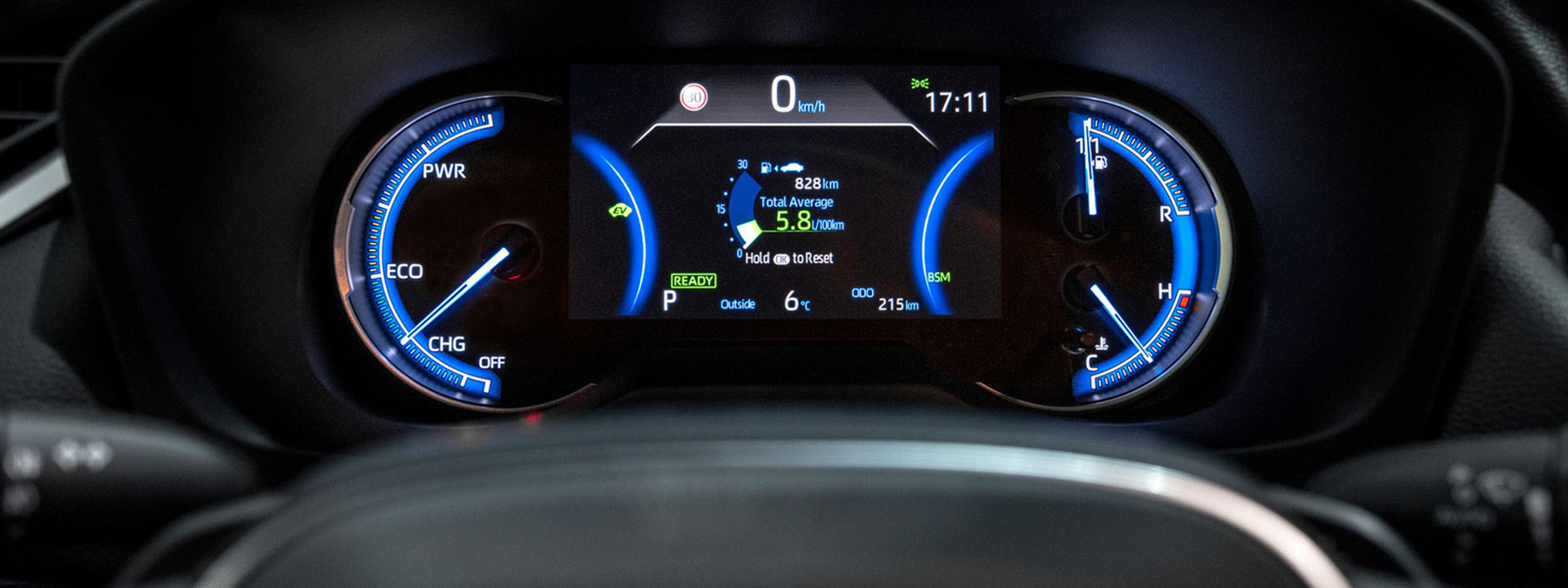
  9. Take note of the fuel gauge. What is the fuel economy of the car? This can be hard to determine in a short test drive, but it will usually be obvious if the car is a major fuel guzzler.

Buying a new car can feel like a big task. With all of these aspects considered, you can feel confident that you have made the right decision for your investment.

Top Features to Keep you and Passengers Safe

Safety measures should always be at the forefront of your mind when buying a new car. It is well worth the effort doing research into the safety technology of your future car, to ensure you’re giving yourself and your passengers the best possible outcome in the event of an accident. Here are some key considerations:

1. Air bags

One of the essential safety precautions in modern cars is airbags. These devices quickly expand to protect passengers in the event of a crash. Since their introduction to the automobile world, they have expanded for use throughout car interiors. The Australasian New Car Assessment Program (ANCAP) recommends finding a car which has frontal, side and curtain airbags. These fittings will help protect your face, neck, head and chest in an accident.

Although airbags are a general safety measure, they are designed to protect adults from impact, so they can be dangerous to children. If you are likely to have a child travel with you in the passenger seat of your car, you may want to shop around for a model that has the capability to turn off the passenger side airbag.

This capability is legal under New Zealand standards when it is necessary for a child to be seated in the passenger seat. Plenty of vehicles come with the option to disable this airbag and you can have disabling switches installed if your car doesn’t.

2. Steering

One of the most practical and commonly used safety features in modern cars is Electronic Stability Control (ESC). This feature helps correct your steering in everyday situations and improves handling on slippery surfaces like gravel or ice. ESC uses a range of sensors to communicate with a computer to realign your vehicle to its intended path by briefly braking on selected wheels to readjust your course.

The system is mainly found in newer model cars as it became an industry standard in all cars in 2012, although some older models may have ESC or a variant. Different manufacturers use varying names for the steering system; you can find a convenient list here.

Consumer Reports highly recommends ECS, labelling it a ‘proven life saver’. Although they advise that you maintain caution when steering, as the system is meant to safely assist driving not defy the laws of physics.

3. Braking

There have been a variety of developments to braking systems in modern vehicles over time, with the Anti-lock Braking System (ABS) being one of the most significant.

This technology changed the way drivers are able to brake in an emergency. Previous to the introduction of ABS, it was far too easy to lock your wheels when braking hard. This locking action could send your car skidding along the road, which is extremely dangerous.

With ABS, drivers are able to brake abruptly and allow the system to measure where and how to apply the braking pressure. The system works by using sensors at each wheel in conjunction with a computer to ensure each wheel uses its maximum braking ability to avoid lock-up.

Although it’s not legally mandatory to have ABS in your vehicle, it is quite rare for any car to not be sold with the system these days.

Newer braking systems – such as Brake Assist – work alongside ABS to achieve even greater safety. Brake Assist recognises when a driver is braking in an urgent manner and initiates maximum braking pressure to reduce the potential of a collision.

4. Safety belts

Safety seat belts are a legal requirement for all vehicles in New Zealand and likely the most effective safety measure in any car. There are technological adaptations in some seat belts, which may further protect you and give you extra peace of mind.

Some newer model cars have belts which offer safety features such as adaptive restraints, auto-locking retractors and technology which adapts the restraint to the size of the passenger.

If you are looking to buy a car with the intention of regularly using the middle-rear seat, you should avoid vehicles with a lap belt and look for one that has an over-the-shoulder belt. These belts are significantly safer as it better restrains passengers and boasts a stronger locking system.

Some vehicles’ rear seat belts are equipped with inflatable pouches to reduce the injury inflicted by the belt itself in the event of a collision. This can be particularly important for child passengers and the elderly.

What’s High Octane VS Low Octane Fuel?

Maybe you swear by one type, or perhaps you give the labels a curious side-eye when you are at the petrol station, but what exactly is the difference between high and low octane fuel?

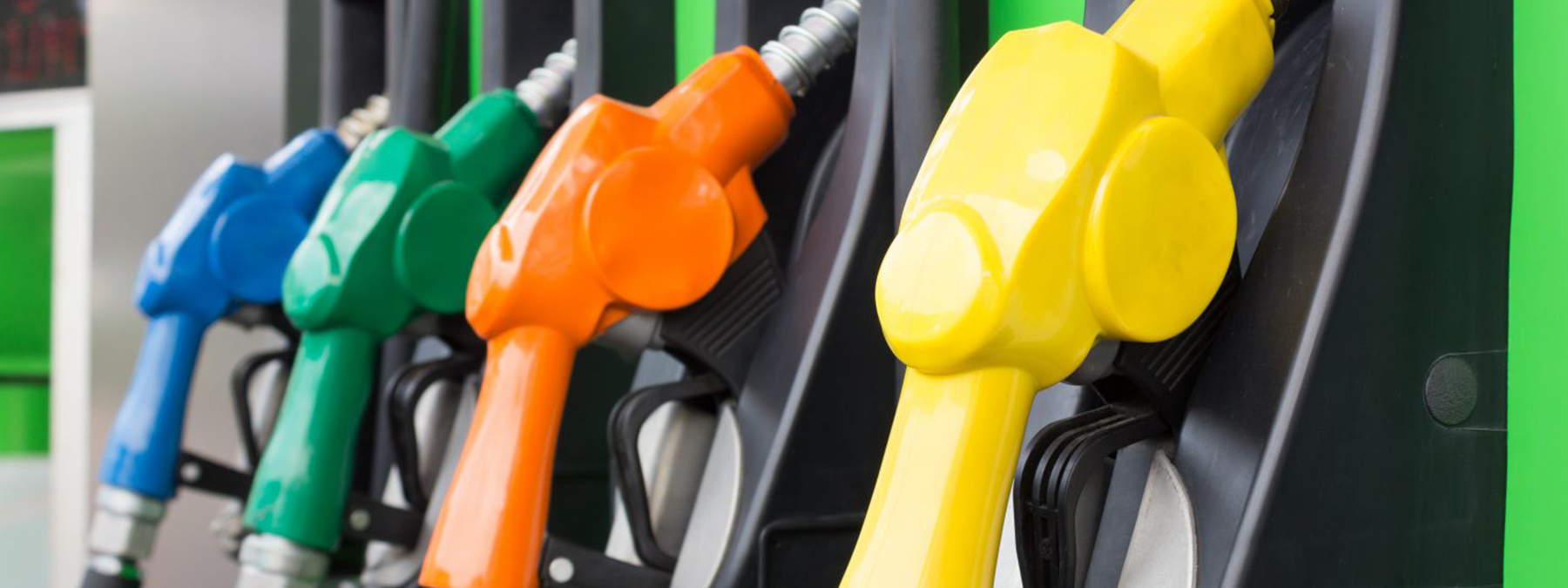
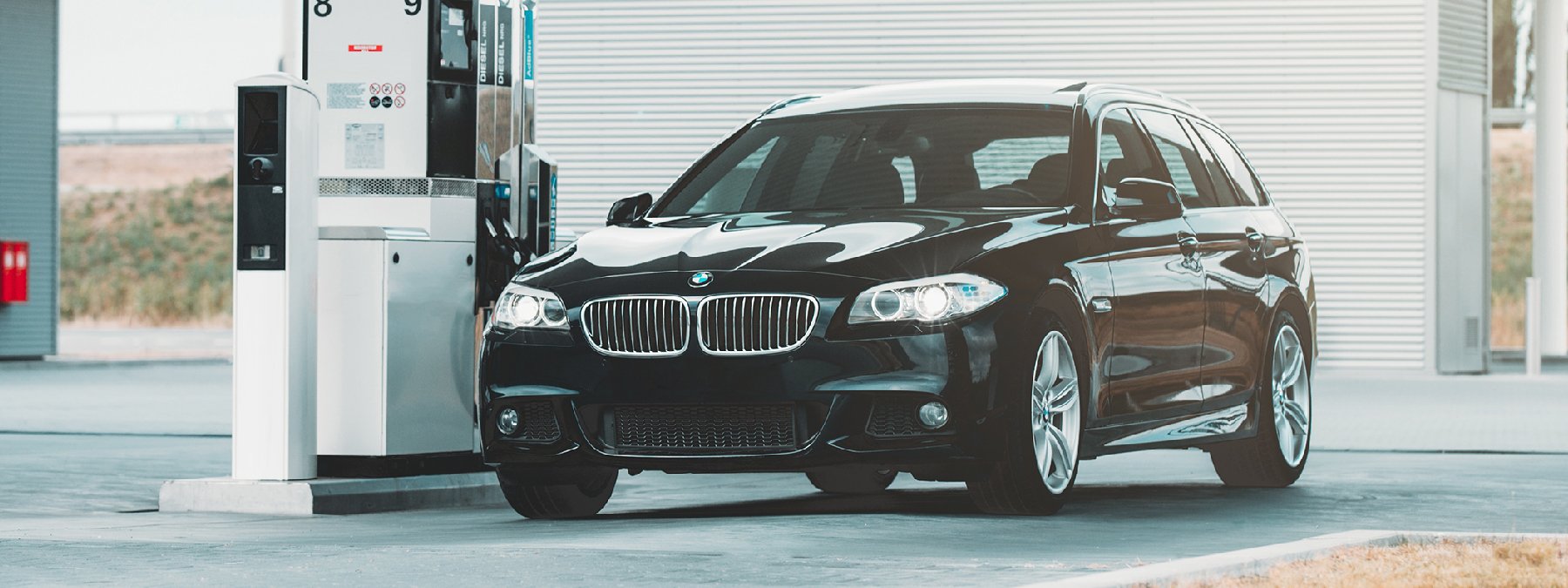
Octane levels are what the numbers – and colours – on the petrol pumps refer to. The higher the number, the more octane there is. You will recognise 91 Unleaded as being the regular petrol that users reach for; 95 and 98 are generally seen as ‘premium’ options, with some petrol stations even offering 100.

Octane levels are important because they protect your vehicle engine from knocks and pressures that come when you start it. The spark that ignites your fuel does not do so perfectly smoothly every time, and enough knocks and pressure variations can damage your engine. A high octane level will decrease the chances of these knocks happening by producing a more regular flame and burning fuel more slowly than low octane.

But does this benefit alone make it worth the additional price you pay for premium fuel? Experts claim that higher octane levels not only improve engine performance, they also improve fuel consumption and reduce harmful emissions. However, this is not a luxury most people can afford.

Most manufacturers will recommend higher octane fuel for high-performance cars, but if all you have is a standard, reliable runner to get you from A to B, it is unlikely you have much to gain. No noticeable or measurable benefits, anyway.

Some industry members argue that boosting your regular 91 intake with a higher octane fuel every once in a while can be beneficial in supporting a healthy engine, but others dispute this, saying that there is no convincing evidence that proves this.

Although mixing fuel does not have adverse side effects to your engine, experts say you are better off in the long run just sticking to the octane recommended for your vehicle, which can be found in your vehicle’s operator manual.

So what is the bottom line about the difference between high and low octane fuel and when should you use each one? The short answer is that it depends on what type of vehicle you have and what the manufacturer recommends. Ultimately, you can simply stick with 91 and not feel too guilty that you’re not putting pricier fuel in one of your most important assets.

Understanding Tyre Choices for Your Car

According to 2018 figures from the NZ Transport Agency, there were 32 fatal crashes over the previous three years linked to worn tyres. This is in addition to 464 tyre-related crashes which resulted in minor, serious or no injury.

The Motor Trade Association (MTA) says worn tyres have been linked to a growing number of crashes since the warrant of fitness system was changed in 2014 (up from 107 crashes in 2014 to 166 in 2017).

This has prompted the organisation to encourage vehicle owners to consider changing their tyres when they have 3mm of tread left, rather than the allowable depth of 1.5mm. MTA Chief Executive Craig Pomare says “At 1.5mm you have half the stopping distance as a new tyre in the wet.”

Many tyres have tread-depth indicators built into them, so you can easily see when a tyre has reached its minimum legal depth of 1.5mm. If you’re finding it difficult to locate the tread-depth indicators in your tyres, look for a small triangle icon, or the letters TWI (tread wear indicator) on the sidewall of the tyre.

So, whether you need new tyres because you’re a safety-conscious Kiwi, or you’ve taken your tyres to the line and failed your WOF, how do you go about deciphering all the tyre options out there?

What do all the numbers mean?

Tyre size is represented by a series of numbers and letters, which can be confusing. Let’s use a popular care tyre size – 205 55R 16 – to explain. These numbers can be found on the sidewall of a tyre and indicate the size and structure of a tyre.

205: This represents the tread width of a tyre, in millimetres. This is the part of the tyre that touches the road surface.
55: This is the aspect ratio, shown as a percentage. This represents the height of a tyre, measured from the bottom of the tyre tread to the rim.
R: This indicates that the tyre has radial construction.
16: This is the internal diameter, or rim size, measured in inches.

There may be other numbers, which indicate the load capacity and speed rating of a tyre.

What are the different types of tyres?

Symmetrical tyres

As the name suggests, this type has the same tread pattern on both sides of the tyre. These are the most common tyre fitted to compact and city cars and are available in smaller sizes such as 13, 14 and 15 inches. They represent good value for money and generally last longer than other types. They can also be fitted on either side of your car and rotated without any risks. However, they are not designed for performance or sports cars.

Asymmetrical tyres

Unlike symmetrical tyres, asymmetrical tyres have a different tread pattern on the inside and outside of the tyre. The tread blocks on the outside are usually larger to give better grip when cornering, while the grooves on the inside are designed to remove water on wet roads. This type of tyre is mostly available in larger sizes (17 inches and above) and are commonly fitted to middle to upper range and performance vehicles, as well as sports cars. These tyres are designed to fit on only one particular side of the tyre rim.

Space-saver tyres

Many modern, and particularly compact, cars are fitted with space-saver tyres that are lighter and smaller than standard full-size spare tyres. This is a cheaper option and allows more space in the vehicle boot. The idea with these tyres is to use them temporarily if you have a flat to get to a tyre shop that can replace or repair your proper tyre. These are only for use in an emergency and are not designed for use over long distances. Drive more carefully with a space saver tyre fitted and never go faster than 80km/h.

4 Top Tips for Maximising Your Car’s Resale Value

Whether your car is old and beaten-up, or still shiny with not too many miles on the clock, you’ll want to get the best price for it when your time together comes to an end. Potential buyers will take a variety of factors into account before deciding to either turn their nose up at your asking price or hand over the cash.

Whether you’re planning to trade in your vehicle or resell it privately, keeping it in good condition is essential for maximising its value. And, if you are planning to purchase a new vehicle, you should keep in mind these points that could affect its future resale value.

1. Good looks sell

Presentation can make or break a sale in a variety of situations and when it comes to selling your used car it’s no different. Lifting your car’s curb appeal is key to convincing a potential buyer, so your vehicle’s exterior and interior should be given a thorough clean to maximise its appeal.

When it comes to the exterior of your car, take a careful look at any scrapes or bumps and consider getting any spots with missing paint resprayed.

Vacuuming interior flooring and wiping down any hard surfaces with a car cleaning kit will give a buyer the best impression of your car, especially if they are giving it a test drive. Make sure you remove any rubbish or personal items to help give your car a brand new feel.

Along with your usual interior cleaning routine, you should take time to clean areas which are usually ignored, such as the boot, bonnet openings, doors and the engine bay.

If this sounds like a bit too much effort, you may want to pay for a local car grooming service to give your car a meticulous clean.

2. Stay on top of vehicle maintenance

Keeping your car up to date with any repairs or maintenance will put you in a better position to negotiate a good price for your vehicle. Simple things, such as getting an oil change or replacing brake pads, will give the impression that your car has been well maintained.

Even getting a mechanic’s safety check on your car will give you a price estimate for any maintenance you are unwilling to do. Having an idea of how much work your car requires will help you avoid being lowballed by a buyer due to the need for repairs.

Make sure you keep receipts and service records too, in case a buyer wants to see them. This will help neutralise any concerns about your car’s history.

3. Pick a make and model that holds value

Some vehicle makes and models hold their value more than others. This is something you should take into account when selling your car – and ideally before you buy in the first place. Brand recognition plays an important part in consumers’ decisions, particularly when it comes to vehicles. Certain car manufacturers and models have widespread reputations for either positive or negative reasons, which can affect how consumers value your car and what price you can expect when you sell.

Car buyers want to feel confident they’re choosing a vehicle which is reliable and won’t cost an exorbitant amount to maintain. This is why you see an abundance of Toyota Corollas on our streets. The Japanese model is the highest selling car in New Zealand, likely due to its reputation as a dependable and efficient option.

4. Keep an eye on mileage

Keeping tabs on the mileage your car is clocking up is a good way to judge when to put your car up for sale. For a buyer, mileage acts as an indicator of a vehicle’s condition, as higher mileage cars will have suffered more wear and tear.

Certain car components are given a recommended life expectancy by manufacturers; these are often judged by how many kilometers your car has travelled. Potential buyers will take this into account when making an offer. Selling your car far in advance of the point where a buyer would expect you to have replaced any key parts – such as a cambelt replacement – will help you get the best price for your car.

Scrapping your old vehicle? Here’s what to do.

We all have to say goodbye to our much-loved vehicles eventually. In some situations, you won’t have the time or patience to wait for a buyer, in others your vehicle is too far gone for anybody to want to repair it. In either case, selling it to a wrecker is the safest and quickest way to cash in and move on.

Although this is not quite as simple as turning up at a wrecker and handing over the keys, it is relatively straightforward to do here in New Zealand. Here is a simple guide on the steps to follow:

Shop around!

Before you do anything, make sure you do your research and find out who the wreckers in your area are. Don’t be afraid to venture further than your neighbourhood, either, as the value of your wreckage can vary dramatically depending on what the wrecker already has in stock.

The value of wrecked vehicles can range anywhere from $50 to over $10,000 depending on the age, condition, rarity, and components of your vehicle, and is also largely dependent on what the scrap metal price per kilogram is at the time. Unless your vehicle is unusually bulky and heavy, though, you might not want to heighten your expectations!

That being said, don’t just accept your first offer. Shopping around can be time-consuming and wreckers will be eager to take your vehicle there and then – have some patience. Remember that there is only one of your vehicle and multiple wreckers to choose from.

Deregister your vehicle

Once you have committed to scrapping your vehicle and have found someone to take it, it’s time to deregister it. This is important because your vehicle’s registration is a direct link to you. If you forget this step your plates might land in the wrong hands and land you in trouble.

  1. Head to either your local VTNZ or VINZ (Vehicle Testing or Vehicle Inspection New Zealand). For security reasons you cannot deregister vehicles online, so you will have to do it in person.
  2. Fill out an MR15 form. These will be available at the registered agent’s office.
  3. Bring proof of ID and $9.10 to cover administration costs.
  4. Bring your license plates! If you have unused registration time on your license you are eligible for a refund of the remaining time, but only if you bring your plates. Keep in mind: if you have outstanding licensing fees, you’ll have to pay those off, too.

But don’t forget…

Make sure all of your belongings are out of the vehicle! Check the boot, the glove box, and under the seats. You never know what might have fallen there…

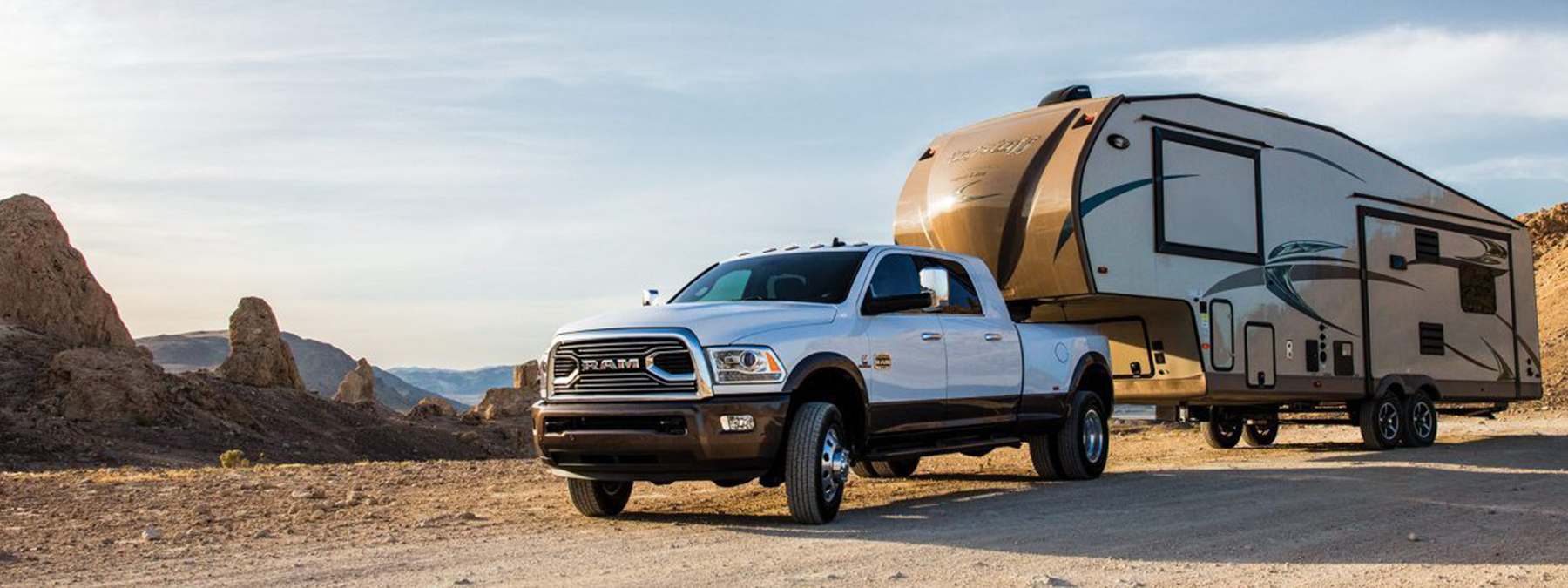
4 Keys When Buying a Towing Vehicle

Whether you need a vehicle that can take a trailer load down to the dump, or a heavy-duty ute to tow your boat, it’s important you do your research beforehand. There are several important factors and specifications to consider when choosing a vehicle for towing.

1. Towing capacity

The key detail that should inform your choice of vehicle is its towing capacity. However, it’s not quite as simple as reading the manufacturer’s listed capacity, as these advertised figures are not an accurate representation of everyday towing capacity. Due to this, you should reduce the maximum capacity by around 25% when calculating the suitability of a vehicle.

You should consider your vehicle and trailer as a package, as they form a working unit. There are several factors to think of, such as the additional load added to the base weight of your trailer or caravan by passengers and equipment. Calculating the likely weight of your trailer along with your gear and passengers will ensure you don’t cause long term damage to your vehicle by exceeding it’s towing capacity.

Some varieties of dual-cab utes and all-terrain four-wheel-drive wagons offer good towing capacities of up to 3.5 tonnes. Many of the more common SUV’s on the market provide 1.5-2 tonnes of towing capacity, and cars are generally able to tow a considerably lower weight.

2. Vehicle Durability

When choosing a suitable vehicle for towing it’s also important to consider the long-term effects that heavy towing will have on its condition. A light passenger car will be fine for occasional towing, but if you’re looking for more frequent use you should consider a more powerful option.

Sticking to the suggested towing capacity of the vehicle is key to ensuring your trailer load doesn’t put excessive stress on its parts. In particular, the clutch and transmission are likely to receive significant wear if you are running above the vehicle’s limits for extended periods.

Towing is considered as ‘severe use’ by many auto-manufacturers, so following their maintenance schedules will help you keep your vehicle in good working condition. Keep in mind that parts like tyres and brake pads are likely to wear out quicker when used in towing.

3. Versatility

Although a four-wheel-drive may seem like the ideal option for towing purposes, considering your everyday car usage is important for making a well-informed decision. Factors such as parking difficulty, fuel consumption and increased maintenance costs will help determine whether a heavy-duty vehicle is versatile enough to suit your lifestyle.

It’s also important to start, not with the tow vehicle you’re considering, but what you want to tow. In other words, make sure the vehicle is suitable for the trailer, caravan or boat that you already own. Then, before buying the vehicle, take it for a test drive with your trailer, boat or caravan hitched. And consider how much stuff you’d still need to pack into your car for your trip.

4. Rear-wheel drive vs front-wheel drive vs all-wheel drive

Almost all vehicles can tow in some capacity if their towing capacity recommendations are followed. Your choice should be informed by the nature of the towing you plan to do.

Front-wheel drives can be more sensitive to poor trailer loading than other drive configurations. And, while all-wheel-drive vehicles tend to be better with traction and road-holding than their two-wheel-drive counterparts, you’ll likely end up paying more for fuel and maintenance.

Trailer manufacturer Al-Ko suggests going for a four-wheel-drive vehicle if you plan to tow a trailer in any off-road areas. The same goes for those towing boat trailers, as the often slippery boat ramps need the power of a four-wheel drive.

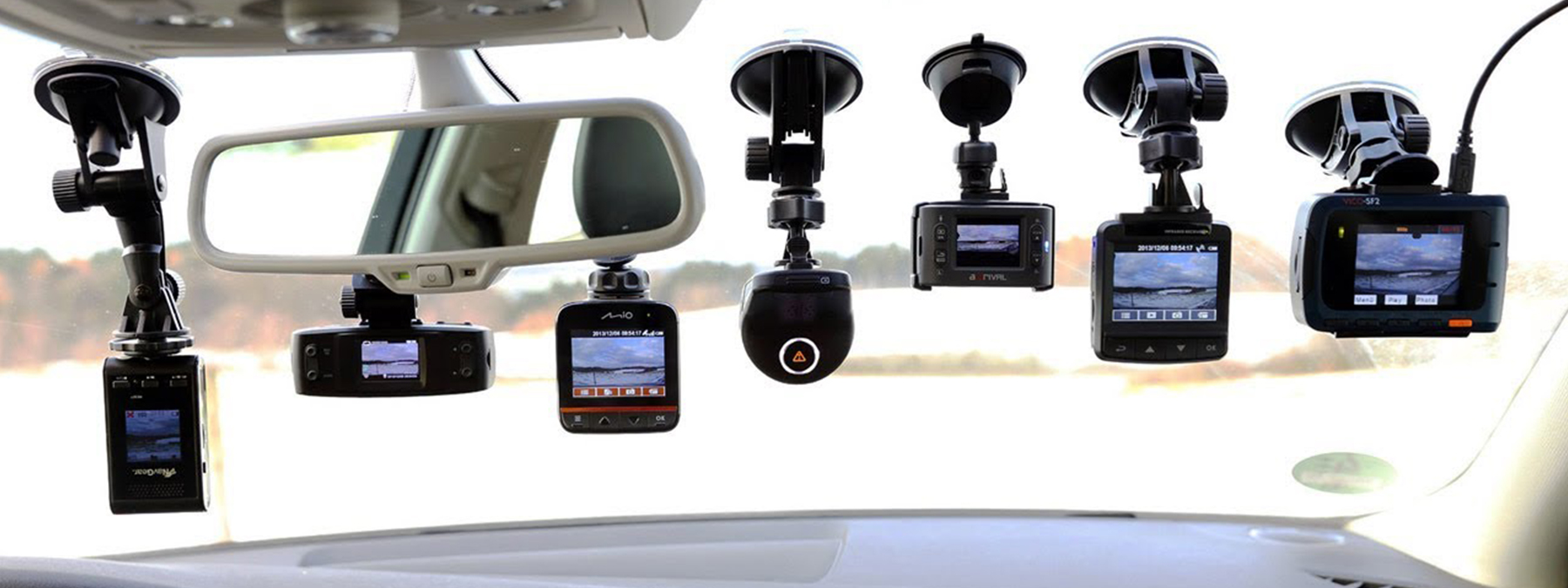
Four Ways a Dash Cam Helps your Driving

A routine drive can easily turn into a stressful ordeal in the event of a crash, especially if the other party is uninsured. The insurance claim process becomes even more exasperating and complicated when liability is contested.

The growing popularity of dash cams is being promoted by experts as a good way to help determine the outcome of disputes. The technology also offers several security and road safety benefits for car owners. Read on to discover how your driving experience could be improved by installing a dash cam.

1. Evidence in a crash

Both QBE Insurance and the NZ road safety organisation Brake have endorsed the benefits of dash cams, saying the information they provide is valuable where there is a dispute. In a crash, the camera can provide easily accessible video evidence. This can also reduce reliance on the memory of often stressed and dazed drivers. As most cameras automatically start recording as soon as your engine starts up, this can protect the legitimacy of your case.

2. Increases road safety

The NZTA says the social cost of car crashes in New Zealand is $4.8 billion annually. This figure suggests that as a nation we need to work on the quality of our driving skills. However, poor driving is not always the cause of danger on the road. Incidents such as road rage, drink driving and texting while driving also contribute to many accidents.

The NZ director of Brake, Caroline Perry, believes dash cams could help address the social cost of car accidents, as it assists authorities to resolve serious road safety issues. Importantly, dash cam footage simplifies the reporting of dangerous behaviours to police by eliminating the need to remember license plates and other details.

Additionally, the technology gives drivers the ability to analyse their driving and recognise and adjust their bad habits, helping them take responsibility for their driving.

3. Peace of mind

It’s common for car owners to lend their vehicle to someone else. So, whether it’s your teenage daughter going to the mall, or your trade apprentice going down to the bakery, a dash cam gives you a full record of their activity.

Most modern dash cams provide full GPS tracking and even record driving speed, allowing you to keep tabs on the usage of your personal or work vehicle. Dash cam recordings can even provide you with footage of repairs performed on your car while at the mechanics.

4. Parking protection

Almost everyone has experienced the perils of car parking and many of us know the frustration caused by those who refuse to leave a note after scratching or bumping your car. The high definition video captured by dash cams remedies this by easily identifying the license plates of those at fault.

On many models, you will have to activate the parking mode on your camera to capture footage while the car engine is turned off. Purchasing a model with a good quality battery backup will maximise the usefulness of this feature.

Not only is the parking mode feature able to record dishonest drivers, but also attempted theft and vandalism. The data from your dash cam can be automatically sent to your computer or mobile phone too, providing constant security awareness.

I Spy with my Car?

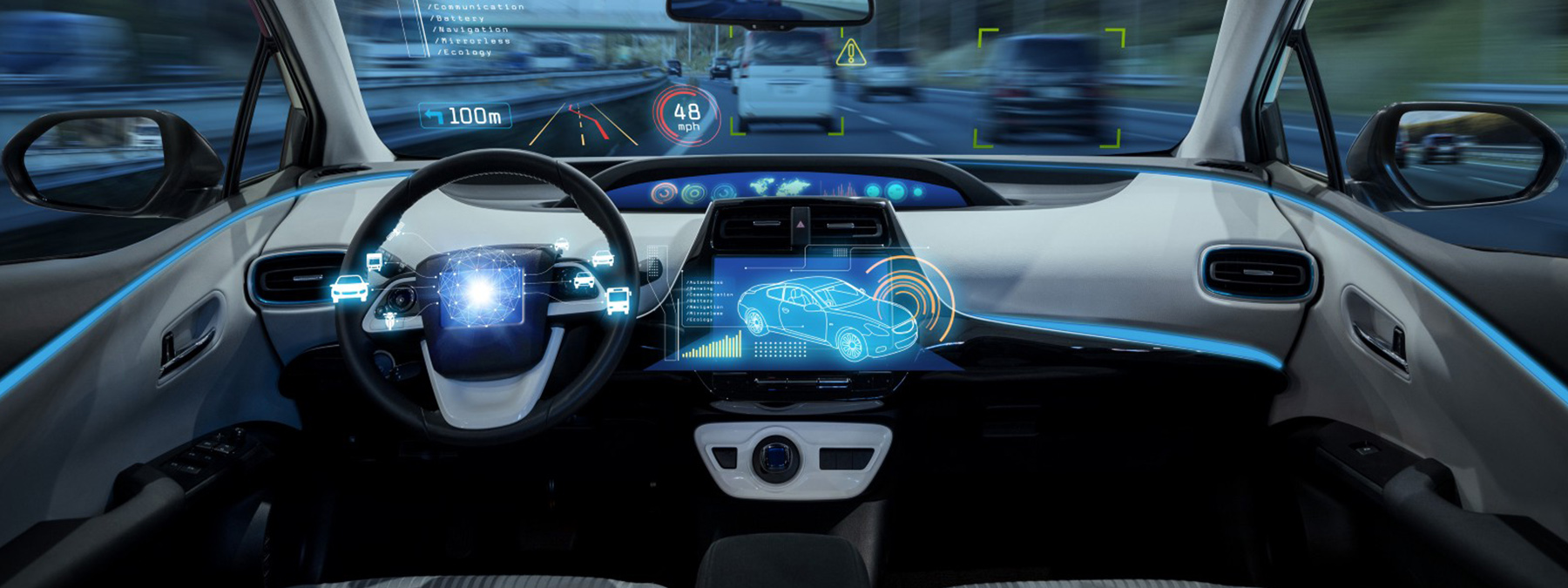
With technology advancing faster than people can keep up, it was only a matter of time before AI was installed in vehicles too. The future of intelligent cars allows automatic updates without any need for mechanics, and features that allow drivers to shop, order food and even read the news from their dashboard!

At the same time, these very intelligent vehicles are helping companies collect data about consumers’ driving habits. Cars now have the ability to track their location, the local weather, your speed, your favourite songs or radio stations, and in some cases, even the weight of passengers. The companies implementing AI in vehicles argue that these updates help improve the personalization of vehicles and enhance the experience of road users. Although car manufacturers are optimistic that almost every car will be connected in the next decade, there are fears that these changes are occurring too fast.

Cars that are connected to the cloud are at risk of their data security being exploited. In the past, cars with keyless entry have been hacked into and unlocked by thieves. If cars that can be parked or driven remotely are connected to the cloud, hackers could exploit this too.

Government regulation will be necessary in the future to ensure that the future of data collection and cloud control of vehicles is done in the safest way possible – to ensure users’ security. Until then though, it seems that human drivers still have control over our wheels.

Easy Ways to Decrease Your Fuel Consumption

With fuel costs rising year on year, vehicle owners are looking at ways to reduce their fuel consumption and make a full tank last longer between fills. There are some easy ways you can adapt your driving to save fuel and help you keep costs down.

  1. Look after your car
    Regular servicing, the right tyres and tyre pressure, and a well maintained vehicle in general will help you burn through less fuel. It’s estimated that a car that is regularly serviced can use from 10-20% less fuel than a car which is not.
  2. Don’t speed
    Driving to speed conditions, rather than speeding, can help you shave off dollars on your fuel bill!
  3. Drive smoothly
    Rather than slamming down on the pedals, accelerate and slow down gradually, allowing the car to move gently.
  4. Look ahead and be prepared
    Maintaining a safe following distance and looking ahead means you’ll move at a more constant speed, and have time to slow down early rather than brake at the last minute.
  5. Corner smoothly
    Don’t brake hard for corners and then accelerate out of them. Slow gently as you approach them and then exit the corner.
  6. Keep an eye on air conditioning
    Air conditioning uses up to 8% more fuel than rolling down the windows, so make sure you switch it off when it’s done its job.
  7. Keep your car light
    A heavier vehicle makes the engine work harder. If you’re not using stuff in your car, it’s best to unload it!
  8. Reduce idling time
    Don’t park for long periods with your engine idling. If you’re stationary for more than 30 seconds, turn your engine off and save some fuel.
  9. Avoid short trips
    A third of all car trips made in New Zealand are less than 2km in distance. Cut down on unnecessary driving and walk the short distances.

Even if your car hasn’t got the best fuel economy, you can improve it on your own with diligence and a willingness to change your driving habits!

When should you fill the tank?

There’s a fierce debate between car owners regarding filling their fuel tanks. Is it most appropriate to wait until it’s near empty, or fill it up when it gets to a half tank?
People who fill up when their tank is half empty believe it’s not a good idea to let the tank run near empty. This is because if there is any moisture, or any contaminants, in your fuel, you risk sucking those dregs into your engine, potentially causing damage to the engine.

The opposing theory is that less weight means you get a better fuel economy, so running the car with as little fuel as possible makes that fuel go a long way.
Although it’s true that there is still enough fuel left in the tank when the gauge is on “E” to get to a gas station, it’s safer not to count on having any reserve fuel, and rather just filling up when your fuel is running low.

A good compromise amount is refilling when the tank gets down to a quarter tank. This eliminates any risk associated with your tank being too empty to function, and also allows you to run on as little fuel as possible while still maintaining enough to fuel to get you to a petrol station.

As a general tip, if you’re not driving your car for an extended period of time, it’s best to leave the tank full for this period, as this reduces the likelihood of the fuel going stale through exposure to air in the tank, or contamination.

Check your bonnets!

Most owners recognise that cars require very little maintenance between full services, and that makes us lazy when it comes to popping the hood and checking the bonnet. This means that most of us don’t even know what we ought to be looking for when we check our bonnets.

Responsible vehicle owners should have an idea about what’s going on under their hood. Even if you’re not an expert at all things vehicles, some basic knowledge can get you a long way in terms of keeping safe on the road.

  • Although the engine area of the car will be shrouded in covers meaning you can’t see too much, taking a closer look will reveal a few level check sticks and reservoirs you should keep an eye out for. These are dipsticks to check the level of engine oil, and transmission oil if you have an automatic. Pull the dipsticks out and check that the level is between the two lines inscribed on the dipstick. Take careful note that you put the dipsticks back in the correct reservoir.
  • You should also take a look at the windscreen wash bottle. This is basically the only reservoir you’ll need to fill yourself. The whole bottle that contains the liquid may not be visible if it’s hidden beneath other components in the car, but it’s a good idea to keep a bottle of windscreen detergent on you in case you need to top it up on the road.
  • The final reservoirs to check are the brake fluid and coolant containers. Although you don’t need to top these up on your own, checking them for low levels means you can take your car to a mechanic before you need a costly repair.

Vehicles don’t often need much maintenance from the owner between services, but it’s important to keep an eye on fluid levels to make sure they are at a safe level for driving. Checking them out and getting any potential issues fixed early means you can avoid having to pay for bigger problems that can be caused by low fluid levels!

Bad driving habits you should shake off

After years of driving, it’s easy to pick up some bad habits that are lazy at best, and seriously damaging your car at worst. If you want to protect your car from excessive fuel consumption and heightened maintenance costs, avoid developing the following bad habits.

1. Keeping your hand on the gear lever

Although this is a common habit, weight on the gear lever transfers down the linkages straight through to the internal workings of the transmission – this can cause premature wear and tear. The best way to kick this habit is to get used to driving with both hands on the wheel!

2. Not using the parking brake

Even on an absolutely flat surface, the whole weight of the vehicle is resting on some very small components, so you should always use the park brakes to avoid damage or unnecessary wear and tear.

3. Running on an empty tank

Everyone has been in that situation where you put in $10 worth of fuel to get by for a while before you fill up, just to keep the fuel light from illuminating. Little do we know that this habit could be causing damage to your fuel system! Most cars have fuel pumps in the tank that are cooled by the fuel. If your fuel levels are constantly low, the fuel can warm up and cause the pump to run hotter than it should be, leading to early pump failure.

4. Riding the brakes

Brake activation creates heat which is transferred through the brake system. Hard braking causes a build-up of and can wear the brake pad out. Rather than braking harshly, select a lower gear or monitor oncoming traffic so you can brake gradually.

5. Switching to opposite gears while the car is still rolling

It happens all the time when you’re reversing out of a car park – you back up and switch to a forward gear before the car comes to a stop. The drive train is still turning backwards but you’ve suddenly switched it to the opposite direction! Only a few years of this habit can lead to you finding yourself having to repair your gearbox a lot earlier than you need to.

All cars age and breakdown, but we can limit our effect on how fast this happens by shaking off some bad habits to help our cars last longer!

What are your brakes telling you?

Hearing your brakes screech and shudder is the quickest way to ruin a driving experience. If you ever feel like your brakes aren’t working as efficiently as they should be, it’s best to get them checked out and ensure they are safe – operating on failing brakes is a surefire way to land yourself in a dangerous situation.

Brakes are reliant on friction generated between components in the braking system to slow a vehicle down, so when there’s a problem, it’s likely you’ll notice. Here are a few of the common issues that could arise in your braking system.

Steel discs and brake pads

As brake discs wear, the original smooth surface can develop marks and become thinner, making them prone to warping. You can tell if warping is occurring when the brake pedal is pulsing or the steering wheel is shuddering.

If you pair an old disc with new brake pads, there’s a high chance the brakes will take longer to be as effective as they once were, since the new brake pads will have a smooth and flat surface, while the old discs are still scored and scratched. This can be prevented with a portable lathe which takes a small cut from each side of the disc to make it smooth, but this does thin the disc. When your discs are getting close to the limit of warping, it’s a good idea to replace both the steel discs and the brake pads.

Brake pads do usually have warning indicators to keep you updated. Metal strips are set to a specific distance where they will start to rub against the disc when the pads wear down to a few millimetres thick, letting you know that your brake material may be low. This indicator rubbing noise is usually most noticeable when your brakes aren’t in use. If you hear this indicator, it’s probably worth getting a mechanic to give your brake pads a look over.

Brake fluid

Brake fluid is the link from the brake pedal to the actual components which are doing the work at the wheels. Every vehicle has an advised brake fluid replacement schedule from the car manufacturer which ensures the fluid remains clean, fresh and free from moisture.

If you’re driving a vehicle with loud brakes, it’s a good idea to get them checked as soon as possible. It could just be something simple, but it could also be a sign that significant work is required. It always pays to be safe on the road, and functioning brakes are essential for your safety.


Older Vehicles are Twice as Likely to Crash Fatally

Kiwis are twice as likely to die in a car crash if the car they’re driving was built earlier than 2000, compared to those who drive in newer cars. Nearly 40% of cars on our roads are built prior to 2000, but these older vehicles are significantly over-represented in crashes that lead to death, with nearly 60% of fatalities involving these older cars.

Newer cars are far safer, with cars produced between 2010 and 2015 making up 20% of the nation’s cars but involved in only 10% of road related fatalities.

This is especially worrying when considering the fact that many families in New Zealand have multiple cars in their driveway, including cheap “starter” cars for teenagers to drive once they have their license.

Vehicle manufacturers today are leading the charge in terms of building safer cars that include crash prevention technology, frontal impact minimum safety standards, and life-saving airbags – but in order to reduce the road toll, older vehicles need to phase off the road.

Knowing that older cars are less safe makes it clear that drivers should consider newer cars for vehicle safety. It’s easy to find cars made in the last two decades that are significantly safer than their predecessors and under $10,000 too.

Driving safely at night

Driving in the dark is undeniably more dangerous than daylight driving, but for most people it’s an unavoidable reality. If you’re someone who has to drive on the roads often at night, there are some tips you can use to keep yourself, and other motorists, safe at night.

  1. Use your lights carefully
    By the NZTA’s rules, you must turn on your vehicle headlights from 30 minutes after sunset on one day, until 30 minutes before sunrise on the next day, OR at any other time when you can’t clearly see a person or vehicle 100 meters away. It’s also important to dip your headlights appropriately. Whether you’ve got another vehicle coming towards you, or whether you’re following another vehicle, you should dip your headlights to avoid blinding the other driver. If you’re in an area with plenty of streetlights, you should be able to keep your headlights dipped the entire time.
  2. Safe speed
    Driving at a safe speed at night means that on a road with lanes, you should be able to stop in the length of clear road you can see in front of you, and on a road with no lanes, you should be able to stop in half the length of the clear road you can see in front of you.
  3. Don’t drive tired
    Even if there is less traffic on the road at night, reduced visibility can make it even more tiring to drive at night. Driving tired makes you a dangerous driver, so if you feel drowsy, it’s best to pull over and take a short break with snacks to help you stay alert.
  4. Prepare yourself for glare
    To avoid being dazzled on the road, never look directly at the headlights of other cars. Looking into an oncoming vehicle’s headlights can temporarily blind you, making it easy to lose your bearing. It’s best to look towards the left-hand side of the road to regain your vision. If glare is particularly bad, it’s best to pull over until your vision is clear. It’s also important to keep your windscreens clear to avoid impaired visibility.
  5. Avoid dark glasses
    Anything that makes it harder to see vehicles and other objects on the road should be avoided at night.
  6. Dim your dashboard and control lights
    Most cars allow you to adjust the brightness of your dashboard and control lights – at night it is best to dim these to avoid getting distracted.

Night driving can be risky but when you have to, it’s best to simply be prepared for all conditions and hazards.

Improving the effectiveness of your headlights

Our headlights are essential for driving in the dark – but they can only help you see and be seen if they’re working correctly. Although people often complain that their headlights are too low and make it hard to see at night, the reasoning behind this is often just that the light output is weak or the bulbs aren’t bright enough.

To give yourself the best possible chance of functioning headlights that keep you safe in the dark, it’s best to start with the easiest fix – your lenses.

A visual check of your headlight lenses can reveal to you whether they are clean and clear. Glass lenses are usually easy, but plastic lights can become cloudy or tinted yellow after some time. In this case, step one should be giving them a clean with a light polish which you can buy at any motor store, but if that doesn’t work, the lens may need a replacement.

If your headlights aren’t bright enough for you to see at night, an upgrade might be in order. It’s important to be wary when replacing headlights however. When changing headlights, you should pick standard bulbs that increase light and brighter colour without increasing the wattage. When you upgrade the bulbs to give an increased output, you risk melting and potentially catching the headlight lens, bulb holder and wiring alight.

Even if you think your lights are perfectly functional, it’s always a good idea to occasionally have a dig around the front of your car and check that both of your headlights are working before driving at night. If you think your lights aren’t working quite like they used to, it’s safer to get them checked out before you become a hazard on the road.

Fuel additives could be destroying your engine

Although fuel system cleaners are useful for cleaning out a vehicle’s exhaust pipe, not every additive should go into your fuel filler. It’s important to note that in cases where additives are required, there will be a completely separate tank to pour the product in.

Accidentally putting a cleaning additive into a fuel tank risks terrible damage to the entire fuel system and engine. Repairs can take up to a month and can be incredibly costly. In most cases, you will cause corrosion and other damage to the metal in your vehicle.

While fuel additives are particularly dangerous, it’s estimated that there are around 30,000 misfuellings in New Zealand every year.

If you’ve accidentally put the wrong fuel in your car, try not to start your engine or put the key in the ignition if possible. Simply put your car intro neutral and push it to a safe place then call a recovery vehicle to drain the fuel. If you’ve already started your car however, the damage may have already been done. The safest course of action is to pull over as soon as you notice, remove the keys from the ignition and call a recovery vehicle.

Using the wrong fuel can lead to your car not starting in the best case, and cause extra friction and damage both the pump and engine in the worst.

The best way to avoid these carless mistakes is to stick a reminder sticker on your fuel cap reminding you exactly what NOT to put in your fuel tank, and avoid distractions when you’re filling up at the station.

Driving safely over long distances

If you’ve got a long journey ahead on the road, it’s important to make sure you arrive at your destination safe and sound. Learning some key tips for safe long distance driving can be crucial at ensuring you make it in one piece. Fatigue on the road is a major contributor to accidents, so being prepared for a long journey will ensure you make your trip as safely as possible.

  1. Plan ahead
    Map your route out early to avoid any surprises. Have a look at the weather conditions on the road, potential fuel stops, and resting spots along your route. If possible, try to leave outside peak traffic hours, and make sure your car is road-ready before you head off. Repairs are almost always more costly on the road.
  2. Avoid using cruise control
    Long distance driving often leads to driver fatigue, in which case cruise control can be incredibly dangerous. If you get tired and don’t notice traffic slowing down, it’s an accident waiting to happen. It’s important to maintain control of your own vehicle.
  3. Get a good night’s sleep before you leave
    It’s incredibly dangerous to be tired on the road, so ensure you’re rested before you leave. If you’re leaving early in the morning, go to bed early the night before.
  4. Take a break in a safe place every two hours
    As well as allowing you to stretch out your legs and stop for some fresh air, regular breaks are important for giving your eyes and mind a rest from staring at the road.
  5. Share the drive
    If you’ve got someone else in the car who’s able to drive, sharing the drive is a good way to make sure no one feels tired.
  6. Give yourself extra time on the road
    Not having to worry about rushing to your destination means you’re more likely to drive safely. Allow some extra time for the journey there.
  7. Eat light and stay hydrated
    Heavy meals will leave you feeling uncomfortable over a long journey. Small, healthy snacks and plenty of water are the best sustenance.
  8. Dress comfortably
    Long drives can be painful in the best conditions, so imagine how bad they get if you’re dressed uncomfortably. Comfy clothes and shoes are an essential!
  9. Be mindful of road rules
    The worst thing that can happen on a long drive is that you stop paying full attention to the road. Avoid getting distracted by your phone or other passengers – even if you’re feeling bored. It’s always best to pull over and take a break if you’re feeling antsy.

New Zealand is full of beautiful long roads for road tripping, and it’s a summer staple to head off on a long drive! You can make the process easier for you by ensuring you’re prepared to hit the road.

Cleaning your car interior

After a few weeks of summer holidays, it’s easy to clog up your car with mess. Even though most drivers are onto it when it comes to cleaning their car exterior, it can be easy to forget that your car interior can get dirty too. For some easy to follow tips on cleaning out your car interior, read on.

Cleaning tools

Before you start the job, make sure you have a few key tools on hand.

  1. Cleaning products: household cleaning products such as carpet shampoo or leather cleaner can generally work on car interiors. If not, get products which are safe to use on your interior surfaces.
  2.  Wiping and polishing cloths: microfiber cloths are ideal and can be bought at any supermarket
  3. Brushes: unlike the exterior of a car, the interior has plenty of nooks and crannies that can gather dust or dirt. Different brush sizes are essential for cleaning these out.
  4. Vacuum cleaner: a household vacuum cleaner will be best for the job because you’ll need plenty of suction to clear the dust and dirt out of carpet fibers.

Clear out the rubbish

Getting rid of all of the stuff you have accumulated in your car over the months will make your car feel like a completely different space. Go through your glove box, center console, the trunk, under the seats and anywhere else you might have loose items lying around and remove them from the vehicle. Now might also be a good time to throw out any garbage you find amongst the things you need in your vehicle.

Floors and carpets

The carpets and mats in your car are probably the dirtiest part of your interior. If the rest of your car isn’t too dirty, you can start here. If the entire car needs a heavy clean though, this can wait until the end.

Remove your floor mats and give them a shake to remove dirt and debris. After this, use your vacuum cleaner to get rid of stubborn dirt. If your floor mats are still not clean, a jet of water should clean them up – just make sure you allow them to dry completely before they go back into your car.

For the carpet itself, use a vacuum with a brush attachment for an initial clean. If your carpet is stained, a steam cleaning machine can be used for a deep clean – most times a domestic carpet product should do the job.

Seats

Most car seats fit into one of three categories: leather, vinyl or cloth. The way you clean your seats depends on which upholstery you have. Regardless of the different upholstery though, you should start by vacuuming the seats to get rid of as much dirt as you can.

  1. Leather seats: over time, dirt can get embedded in the grained surface of leather. Use leather polish and a soft cloth or towel to get the dirt out, and then use a microfiber cloth to dry off the leather. After a few hours, apply a leather conditioner to return the leather to its original condition.
  2. Vinyl seats: most household products should work to clean vinyl seats – use one cloth to apply the product and another cloth to dry the seat.
  3. Cloth seats: the strength of the cleaning product you have to use depends on the amount of soiling – but keep in mind that the more liquid you use, the longer your seats will take to dry out. If the seats smell musty and damp, sprinkle some baking soda on them overnight then vacuum off, and your seats should smell brand new!
  4. Windows and mirrors. If your windows and mirrors haven’t been tinted, a regular glass cleaner product and microfiber cloth will be sufficient. Tint coatings can be affected by products in household cleaning products so it’s best to use a car glass cleaner. Always remember to spray your cleaner on your cloth and not the glass to avoid streaking.

Interior panels

  1. Dashboard: use a vacuum cleaner with a thin nozzle attachment to get as much dust out as possible, and then follow up with a soft cloth to get to the edge of where the dashboard meets the window glass.
  2. Console: the buttons and controls on the console can be incredibly difficult to clean out. To get around this, try wrapping a cloth around a flat-head screwdriver. As a last resort however, cotton swabs can be used to clean out small spaces.
  3. Air vents: long, thin brushes are ideal for getting into air vents. If you have compressed air on hand, it can also be used to remove debris that has accumulated over time.
  4. Door panels: the door panels can get extremely dirty due to things like cup holders. A damp cloth should be enough to clean out these areas.

Smells

Although nothing beats a new car smell, after a few months and lots of travelling, that smell fades away. Car deodorizes can mask the smell but won’t get rid of any underlying odours. A cost efficient way to suck up the bad smells in your car is to cut some holes in an old plastic container and fill it with ordinary lump charcoal. Charcoal will absorb any odours, rather than just hiding it.

Once you’ve cleaned your car interior thoroughly, you can probably make it around six months before needing another clean. Getting into the habit of regular car cleaning can save you from the hassle of having to clear out a smelly and dirty vehicle, and will also help you keep your car in top shape.

New Zealand’s most stolen cars.

When you’re buying a car, there are usually many questions on your mind. One that we think of less often until we’re on the road is “will my car get stolen?”

Canterbury appears to be the hotspot of car stealing in New Zealand, and over 800 cars were reported stolen in the region in just the last six months of 2018.
In general though, the top ten vehicle models targeted by thieves were:

  1. Toyota Hilux
  2. Subaru Legacy
  3. Subaru Impreza
  4. Holden Commodore
  5. Toyota HiAce
  6. Ford Courier
  7. Honda Accord
  8. Nissan Primera
  9. Toyota Corolla
  10. Mitsubishi Lancer

The exact model and make of car that was most preferred in each region varied, but it’s best to keep your vehicles insured to protect you against such unfortunate incidents.