The Pros and Cons of Buying a New vs. Used Car

When you’re in the market for a car, one of the biggest decisions you’ll face is whether to buy a new or used vehicle. Both options come with distinct advantages and potential drawbacks. To help you make an informed choice, we’ve broken down the pros and cons of buying a new car versus a used one.


Pros of Buying a New Car

  1. Latest Technology & Features
    New cars are equipped with the latest technology, safety features, and infotainment systems. You can expect advanced driver assistance systems (ADAS), better fuel efficiency, and modern amenities like touch-screen displays, wireless connectivity, and voice control systems.
  2. Full Warranty Coverage
    New cars come with a manufacturer’s warranty that covers most repairs and maintenance for at least a few years. This can provide peace of mind, knowing that the car is protected from unexpected breakdowns or defects during the early years of ownership.
  3. Customizable Options
    When you buy a new car, you can often customize it to your exact preferences, including color, trim, and features. If you’re particular about how your car looks and functions, this option gives you full control.
  4. Better Financing Terms
    Dealers and lenders may offer lower interest rates and better financing terms for new cars since they are seen as lower-risk investments. This could translate into a lower monthly payment and overall cost of financing.
  5. No History or Wear
    New cars are in pristine condition, with no previous accidents or wear and tear. This means fewer concerns about potential hidden issues or repairs that might crop up with a used car.

Cons of Buying a New Car

  1. Depreciation
    One of the biggest downsides of buying a new car is depreciation. A new car loses a significant portion of its value the moment you drive it off the lot, with some cars losing as much as 20% or more of their value in the first year alone. This can be a costly factor if you plan to sell the car in the near future.
  2. Higher Initial Cost
    New cars tend to be more expensive than used ones, with a higher purchase price and potentially higher insurance premiums. You may also need to factor in additional costs such as taxes and fees, which can add up quickly.
  3. Higher Insurance Rates
    Insurance rates for new cars are generally higher than for used cars due to their higher value. If you’re on a budget, this could be an important factor to consider when making your decision.

Pros of Buying a Used Car

  1. Lower Purchase Price
    One of the most significant benefits of buying a used car is the lower purchase price. Used cars are typically much cheaper than new ones, and you can get a better deal on a higher-end model with more features.
  2. Slower Depreciation
    Used cars have already experienced significant depreciation, meaning their value is more stable compared to a new car. As a result, you won’t lose as much money when you decide to sell the car later on.
  3. Lower Insurance Costs
    Since used cars are worth less, the cost to insure them is typically lower as well. This can be a significant saving, especially for those who are budget-conscious.
  4. More Choices for Your Budget
    When buying a used car, you can often get a higher-quality model or a luxury car for the same price as a new, entry-level vehicle. This gives you more options within your budget.

Cons of Buying a Used Car

  1. Higher Risk of Mechanical Issues
    Used cars come with a history, and there’s always a risk of hidden problems that might not be immediately noticeable. Even with a pre-purchase inspection, there’s no guarantee that you won’t face costly repairs soon after purchase.
  2. No Warranty
    Most used cars are no longer covered by the original manufacturer’s warranty. While some used cars may come with a limited dealer warranty or an extended warranty option, you may need to pay out-of-pocket for repairs once the warranty expires.
  3. Limited Selection
    When buying a used car, you’re limited to what’s available on the market at the time. This may mean fewer options in terms of color, features, and model year.
  4. Older Technology
    Used cars may not have the latest features, tech, or safety equipment. While many used cars still offer great value, they may not include modern amenities like advanced driver assistance systems (ADAS), touchscreens, or Apple CarPlay/Android Auto.

Which One Should You Choose?

The decision between buying a new or used car depends largely on your personal preferences, budget, and how long you plan to keep the car.

  • Choose New if:
    You want the latest technology, a full warranty, and peace of mind with a new vehicle. You don’t mind paying more upfront, and you plan to keep the car for a long time.
  • Choose Used if:
    You’re looking for a more budget-friendly option and don’t mind taking on a bit more risk. You want to avoid the steep depreciation of a new car and don’t necessarily need the latest features.

Ultimately, whether new or used, both options can provide reliable and enjoyable vehicles if you do your research and choose wisely. Happy car shopping!

DIY Car Maintenance: 7 Simple Tasks You Can Do at Home

Regular car maintenance is essential for keeping your vehicle in top shape and extending its lifespan. While some tasks require professional expertise, there are several simple maintenance jobs you can do yourself to save money and ensure your car runs smoothly. Here are seven easy DIY car maintenance tasks you can handle at home.

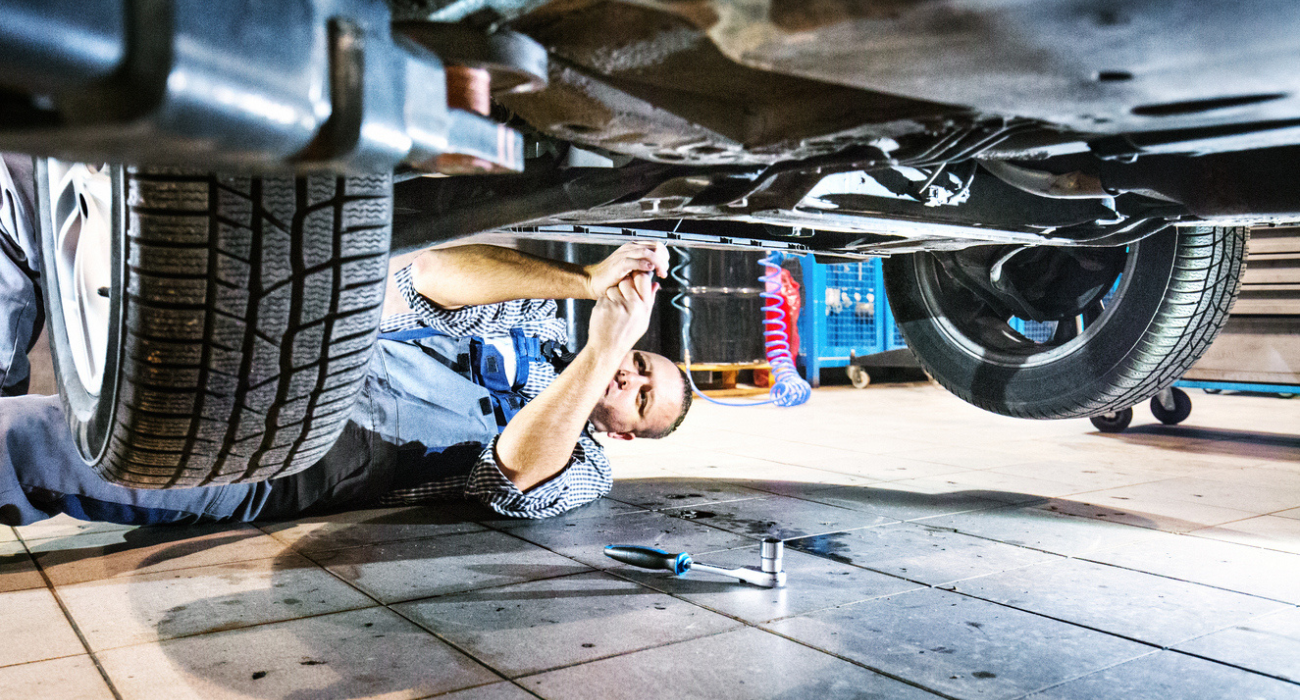
1. Check and Change the Oil

Oil is the lifeblood of your engine, and keeping it clean is crucial for engine health. Here’s how to check and change your oil:

  • Check: Ensure the engine is cool and parked on level ground. Pull out the dipstick, wipe it clean, reinsert it, and check the oil level.
  • Change: Drain the old oil by removing the drain plug, replace the oil filter, and refill the engine with the recommended oil type.

Tip: Always dispose of used oil responsibly by taking it to a recycling center.

2. Replace the Air Filter

A clean air filter improves engine performance and fuel efficiency. Replacing it is quick and easy:

  • Locate the air filter housing, typically a rectangular box near the engine.
  • Remove the old filter and inspect it. If it’s dirty, replace it with a new one.

Tip: Check your air filter every 12,000 to 15,000 miles.

3. Check Tire Pressure and Tread Depth

Proper tire pressure ensures better fuel efficiency and safer driving. Here’s how to check:

  • Use a tire pressure gauge to measure the pressure and compare it to the recommended PSI in your owner’s manual.
  • Check tread depth with a penny: insert it into the tread with Lincoln’s head down. If you can see the top of his head, it’s time to replace the tires.

Tip: Check tire pressure monthly and before long trips.

4. Replace Windshield Wipers

Windshield wipers are critical for visibility during bad weather. To replace them:

  • Lift the wiper arms and remove the old blades by pressing the release tab.
  • Attach the new blades by sliding them into place until they click.

Tip: Replace wipers every 6 to 12 months or when they leave streaks.

5. Check and Refill Fluids

Your car relies on several fluids to function properly, including coolant, brake fluid, transmission fluid, and power steering fluid. Here’s how to check:

  • Locate the reservoirs, check the levels against the markings, and top them off if necessary.

Tip: Use the recommended fluids specified in your owner’s manual.

6. Replace Spark Plugs

Worn-out spark plugs can lead to reduced fuel efficiency and engine performance. Replacing them is relatively straightforward:

  • Locate the spark plugs (usually under the ignition coils) and remove them using a spark plug socket.
  • Install new spark plugs by hand-tightening them, then use a wrench to snug them up.

Tip: Replace spark plugs every 30,000 to 50,000 miles, depending on your vehicle.

7. Clean and Inspect the Battery

A clean battery ensures a good connection and reduces the risk of corrosion. To maintain it:

  • Disconnect the battery terminals (negative first) and clean them with a brush and baking soda solution.
  • Reconnect the terminals (positive first) and ensure they are tight.

Tip: Inspect the battery regularly for any signs of swelling or leakage.

Performing these simple DIY maintenance tasks can keep your car running efficiently, save you money, and help you avoid costly repairs down the road. Always refer to your vehicle’s owner’s manual for specific guidance, and don’t hesitate to seek professional help if a task seems too complex.

The Future of Electric Cars: What You Need to Know

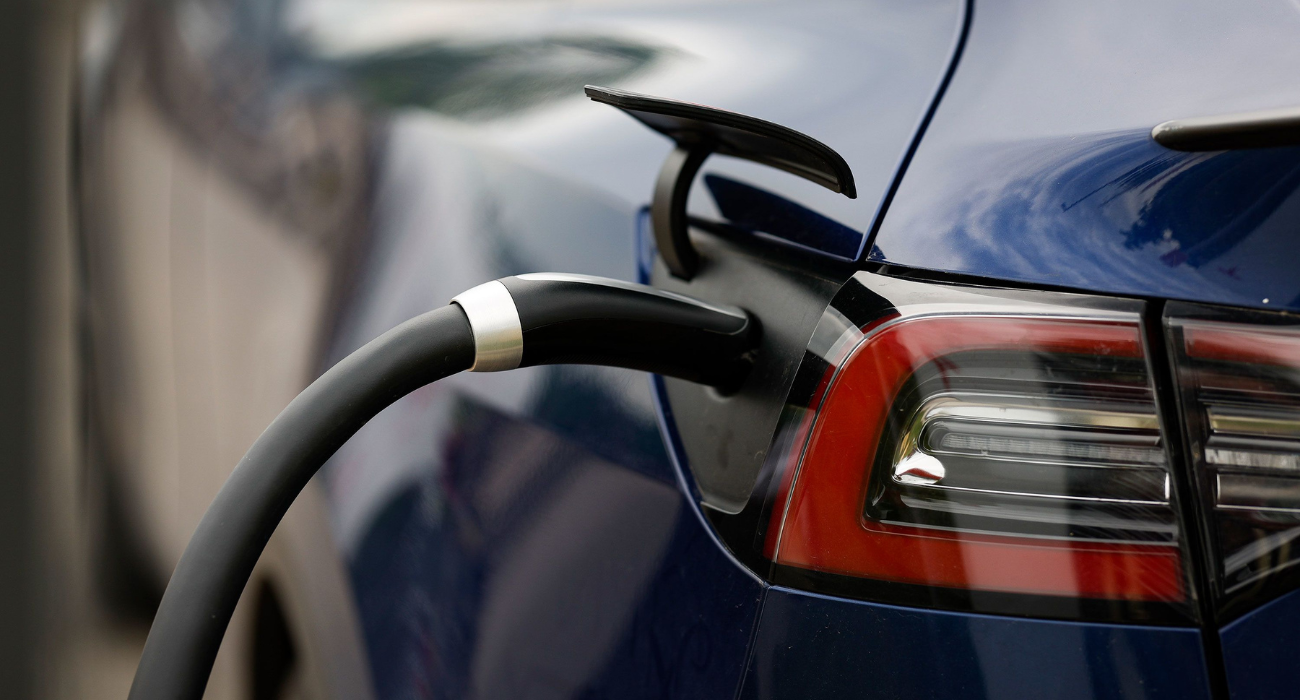
Electric vehicles (EVs) are no longer a futuristic concept; they are becoming a mainstream choice for millions of drivers worldwide. With advances in technology, government incentives, and growing environmental awareness, the shift toward electric mobility is accelerating rapidly. Here’s what you need to know about the future of electric cars.

Advancements in Battery Technology

The biggest factor influencing the adoption of electric cars is battery technology. Current EV batteries, primarily lithium-ion, have improved significantly in terms of energy density, charging speed, and lifespan. However, researchers are working on next-generation batteries that promise even greater performance:

  • Solid-State Batteries: These batteries replace the liquid electrolyte with a solid one, resulting in faster charging times, increased safety, and longer lifespans.
  • Lithium-Sulfur and Metal-Air Batteries: Offering higher energy storage capacities, these innovations could significantly increase the range of EVs, making long road trips more convenient.

Expansion of Charging Infrastructure

One of the major concerns for potential EV buyers is charging availability. Fortunately, charging networks are expanding rapidly:

  • Ultra-Fast Chargers: With capabilities to charge a car up to 80% in under 20 minutes, ultra-fast chargers are being deployed along major highways.
  • Home Charging Solutions: More affordable and faster home chargers are making it easier for EV owners to charge overnight.
  • Wireless Charging: In the near future, wireless charging pads embedded in roads or garages could eliminate the need for cables entirely.

Government Incentives and Policies

Governments around the world are playing a key role in promoting electric vehicles:

  • Subsidies and Tax Credits: Many countries offer financial incentives for purchasing EVs, reducing the upfront cost for buyers.
  • Zero-Emission Zones: Some cities have introduced zero-emission zones where only electric vehicles are allowed, encouraging businesses and individuals to make the switch.
  • Mandates on Automakers: Regulations requiring automakers to produce a certain percentage of zero-emission vehicles are driving innovation and lowering prices.

Environmental and Economic Impact

Switching to electric vehicles has significant environmental and economic implications:

  • Reduced Carbon Emissions: EVs produce no tailpipe emissions, helping to reduce air pollution and combat climate change.
  • Lower Operating Costs: Electric cars typically have lower maintenance costs due to fewer moving parts and lower fueling costs compared to gasoline-powered cars.
  • Job Creation: The EV revolution is creating new jobs in industries like battery manufacturing, charging infrastructure, and renewable energy.

Challenges and Solutions

While the future of electric cars looks promising, there are still challenges to overcome:

  • Battery Recycling: As more EVs hit the road, effective recycling solutions will be necessary to handle used batteries.
    • Solution: Companies are investing in battery recycling technology to recover valuable materials like lithium and cobalt.
  • Grid Capacity: The increased demand for electricity could strain existing power grids.
    • Solution: Smart charging solutions and the integration of renewable energy sources can help balance the load.

The Road Ahead

The future of electric cars is bright. Major automakers are committing to fully electric lineups by 2035, and innovations in autonomous driving, connected car technology, and energy storage are set to revolutionize transportation. As EV adoption grows, we can expect cleaner cities, quieter roads, and a more sustainable planet.

Whether you’re a prospective buyer or just curious about the changing automotive landscape, staying informed about electric vehicles ensures you’re ready for the future of driving.

Navigating New Zealand’s Automotive Recycling and Sustainability Efforts

Here in NZ, we value sustainability and eco-conscious practice; this ethos extends to all facets of Kiwi life, including how we manage and recycle our vehicles. For vehicle owners, understanding and participating in automotive recycling and sustainability efforts is essential to environmental stewardship. This blog explores how you can adopt eco-friendly automotive practices and contribute to a sustainable local industry.

Understanding the Importance of Automotive Recycling

Automotive recycling plays a pivotal role in reducing waste, conserving resources, and lowering the environmental impact of vehicles. When a car reaches the end of its life, it’s not just a piece of junk. It’s a trove of materials that can be recycled and reused, from metals like steel and aluminium to rubber, plastic and glass. We can significantly reduce the need for new raw materials, save energy, and decrease greenhouse gas emissions by recycling these materials.

How to Participate in Automotive Recycling in New Zealand

Proper Disposal of End-of-Life Vehicles (ELVs)

If your vehicle is no longer operable and not worth repairing, consider taking it to a licensed auto recycling facility. These facilities will dismantle the car, safely remove hazardous materials and recycle usable parts and materials. A quick Google search will direct you to a company in your local area, and you’ll likely find they offer a collection service.

Recycling Car Batteries

Car batteries are highly recyclable despite containing toxic substances like lead and acid. Many automotive shops and recycling centres in New Zealand offer battery recycling services. Proper disposal of your car’s battery prevents harmful chemicals from contaminating the environment and helps to recover valuable materials.

Tyre Recycling

Tyres are among the most common automotive waste products and pose a significant environmental threat when improperly disposed of. But the good news is we can repurpose old tyres into other products, including road surfacing materials, play surfaces, and fuel. Look for tyre recycling programmes in your area or enquire at local tyre shops about their recycling practices.

Adopting Eco-Friendly Automotive Practices

Beyond recycling, there are several practices you can adopt to make your vehicle ownership more sustainable:

Regular Maintenance

Keeping your car in top condition through regular maintenance ensures it runs more efficiently, reducing emissions and the risk of parts ending up in landfills prematurely.

Eco-Driving Techniques

Simple driving habit changes can significantly improve fuel efficiency and reduce emissions. Avoiding sudden acceleration and maintaining a steady speed can make a huge difference.

Supporting Green Initiatives

Support brands and services that prioritise sustainability. Whether through the development of electric vehicles, using recycled materials in their manufacturing processes, or their involvement in environmental conservation projects, the more support these brands receive, the more green initiatives and sustainable business practices become the norm.

Car Sharing and Public Transport

Whenever possible, consider car sharing or using public transport. These practices reduce your carbon footprint, minimise the wear and tear on your vehicle and extend its lifespan.

Working Towards a Greener Future

As New Zealanders, our love for our country’s natural beauty comes with a responsibility to protect and preserve it for future generations. We can significantly impact our environmental footprint by engaging in automotive recycling and adopting eco-friendly driving practices. Let’s work together towards a more sustainable and greener future, one vehicle at a time.

Understanding Depreciation: How to Preserve Your Car’s Value

Depreciation is the gradual loss of value of a car from the time it is purchased to the time it is sold. It’s an inevitable part of owning a vehicle, but there are strategies to minimise its impact. This blog explores the factors that affect car depreciation and provides practical tips on how to preserve its value.

1. Understanding the Causes of Depreciation

Several factors contribute to how quickly a car loses its value:

  • Brand and Model Popularity: Cars from brands known for durability and reliability tend to depreciate slower than those from less esteemed manufacturers.
  • Mileage: The more miles a car has on the odometer, the less it’s worth.
  • Age: The age of a car affects its value. New cars lose value the fastest, with the most significant drop occurring in the first few years.
  • Condition: A well-maintained car will always retain more value than a neglected one.
  • Market Trends: Changes in consumer preference, such as a shift towards electric vehicles, can depreciate the value of less popular models faster.

2. Minimising Depreciation

Here’s how you can protect your investment and keep your car’s value high for as long as possible:

  • Regular Maintenance: Follow the manufacturer’s maintenance schedule closely. Regular oil changes, brake checks, and other routine maintenance keeps your car running smoothly and enhances its resale value.
  • Keep Mileage Low: The fewer miles a car has, the higher its resale value. Consider your driving habits and try to use alternative transportation when possible.
  • Protect Its Appearance: Store your car in a garage to protect it from weather-related wear and tear. Regularly wash and wax it to keep the paint in good condition and repair any dents or scratches promptly.
  • Retain Records: Keep detailed records of all maintenance and repairs. A well-documented history reassures potential buyers about the car’s condition and can boost its resale value.
  • Choose Your Car Wisely: Opt for models known for longevity and resale value. Research market trends and consumer reports to choose a vehicle that depreciates slower.

3. When to Sell or Trade-In

Choosing the right time to sell or trade-in your vehicle can also help you get the most out of it:

  • Before Major Repairs: If your car is nearing the point where it might need significant repairs, such as a new transmission or major engine work, consider selling it before these issues arise.
  • Before It Hits a Mileage Landmark: Cars tend to see a marked decrease in value once they surpass certain mileage thresholds (e.g., 100,000 kms). Selling before these points can preserve its value.
  • Market Conditions: Keep an eye on the market. External factors like fuel price hikes or new emission standards can sometimes affect the demand for certain types of vehicles.

4. Enhancing Resale Value

If you’re planning to sell, here are some tips to ensure you get the best price:

  • Professional Cleaning: A thorough cleaning, inside and out, can make your car more appealing to buyers.
  • Small Upgrades: Consider minor upgrades that might increase the car’s appeal, such as new floor mats or the latest software updates for onboard technology.
  • Correct Timing: Sell during the right season; for example, convertibles sell better in spring and summer, while SUVs are more in demand during autumn and winter.

Managing Depreciation to Reduce the Impact on 

While depreciation is a natural part of car ownership, understanding and managing it can significantly impact how much value you can preserve. By taking proactive steps such as maintaining your vehicle, choosing the right time to sell, and being mindful of market conditions, you can maximise your car’s resale value.

From Horsepower to Computing Power: How AI is Shaping the Cars of Tomorrow

Artificial Intelligence (AI) is revolutionising industries worldwide, and the automotive sector is no exception. From self-driving cars to intelligent navigation systems, AI is enhancing vehicle capabilities and fundamentally changing how we interact with our vehicles. This blog explores the dynamic role of AI in shaping the future of automotive design, safety, and efficiency.

1. Autonomous Driving: The Pinnacle of Vehicle AI

AI is at the heart of autonomous driving technology. By processing vast amounts of data from vehicle sensors and external sources, AI enables cars to make real-time decisions on the road. This includes everything from navigating traffic and detecting obstacles to adjusting speed in response to environmental conditions. Companies like Tesla, Google, and major automotive manufacturers are at the forefront of developing AI-driven autonomous vehicles, aiming to reduce human error—the leading cause of most traffic accidents.

2. Enhanced Safety Features

AI doesn’t just stop at driving the car; it’s also enhancing passenger safety. Features such as predictive collision detection, automatic emergency braking, and pedestrian detection are becoming standard in new vehicles. These systems use AI algorithms to predict and react to potential hazards faster than a human can. The result is a dramatic reduction in accidents and enhanced safety for drivers.

3. Smart Navigation Systems

Gone are the days of simple GPS navigation. Modern vehicles come equipped with AI-powered navigation systems that do more than just direct you from point A to B. These systems can analyse traffic patterns, suggest alternative routes to avoid congestion, and even locate charging stations or fuel pumps based on your vehicle’s current fuel status and consumption patterns.

4. Predictive Maintenance

AI is also transforming car maintenance by shifting from a reactive to a proactive approach. With predictive maintenance, AI analyses data from various car sensors to predict mechanical failures before they occur. This can include engine issues, battery life, tyre wear, and more, ensuring that vehicle downtime and maintenance costs are significantly reduced.

5. Personalised Driving Experience

Cars are becoming more personalised, thanks to AI. Vehicle settings such as seat positions, climate control, and multimedia preferences can now be automatically adjusted based on the driver’s profile. AI systems learn from your habits and preferences to tailor the driving experience specifically to you, making each journey as comfortable as possible.

6. Voice-Activated Controls

Voice control technology powered by AI allows drivers to operate various car functions hands-free, enhancing convenience and safety. From making phone calls and sending texts to adjusting the thermostat and changing music tracks, voice commands are making it easier and safer to multitask on the road.

7. Energy Efficiency

AI is optimising energy usage in electric and hybrid vehicles to improve their range and efficiency. By learning from driving patterns and conditions, AI can manage battery usage effectively, reducing energy waste and increasing mileage.

More Than Just a Trend

The integration of AI in the automotive industry is not just a trend; it’s a pivotal shift towards smarter, safer, and more efficient vehicles. As AI continues to evolve, the cars of tomorrow will become increasingly autonomous, personalised, and connected. For automotive enthusiasts and everyday drivers alike, the future promises vehicles that are less about horsepower and more about computing power, transforming every aspect of how we drive and interact with our cars.

In this AI-driven automotive era, embracing technology will be key to driving forward—not just on the road, but towards a more sustainable and accident-free future.

Why Regular Servicing is Essential for Your Mechanical Breakdown Insurance Policy

Protecting your car with a Mechanical Breakdown Insurance policy is a smart move, giving you peace of mind when it comes to unexpected repair costs. But did you know that regular servicing is a key part of keeping your policy valid? Let’s dive into why it’s so important and how you can stay on top of it.

The initial service: your first step

When you first get your MBI policy, there’s one crucial thing you need to do: get your car serviced within the first three months or 5,000 kilometres—whichever comes first. This isn’t just a suggestion; it’s a requirement. If you miss this initial service, your policy becomes invalid, meaning any repairs that would have been covered won’t be. So, make sure you mark your calendar and book that service!

Keep it up: annual servicing

Once you’ve got the initial service out of the way, the next step is to keep up with regular servicing. Your car needs to be serviced at least once every 12 months or 10,000 kilometres, whichever comes first. This routine maintenance keeps your policy active and your car in tip-top shape, potentially saving you from costly repairs in the future.

Why regular servicing your vehicle matters

Policy validity: Sticking to the servicing schedule is a must to keep your MBI policy valid. No service, no coverage—it’s that simple.

Longer vehicle life: Regular check-ups can spot small issues before they become big problems. This helps your car last longer and run better.

Safety first: Keeping up with services ensures that all the safety features of your car are working correctly, reducing the risk of breakdowns and accidents.

Higher resale value: A car with a complete service history is worth more. If you ever decide to sell, potential buyers will see the value in a well-maintained vehicle.

Wrapping it all up!

Regular servicing isn’t just about keeping your car running smoothly; it’s about protecting your investment and ensuring your MBI policy stays in effect. 

By getting that initial service done and sticking to the annual schedule, you can drive with confidence, knowing that you’re covered and your car is in great condition. Remember, a little maintenance now can save you a lot of hassle and expense later.

Quick Tips to Remember:

• Initial Service: Within 3 months or 5,000 kilometres.
• Annual Service: Every 12 months or 10,000 kilometres.
• Stay Covered: Regular servicing keeps your MBI policy valid.
• Longevity and Safety: Helps your car last longer and stay safe.
• Resale Value: Maintains higher value when selling.

Protecting Your Vehicle: Mechanical Breakdown Insurance vs Comprehensive Car Insurance

When it comes to protecting your vehicle, understanding the different types of insurance available is essential.  In this blog post, we’ll explore Mechanical Breakdown Insurance (MBI) and how it differs from comprehensive car insurance. We’ll also discuss the benefits of MBI, what it covers, what it doesn’t cover, and help you make an informed decision about your vehicle’s protection.

What is Mechanical Breakdown Insurance?

Mechanical Breakdown Insurance is a specialised insurance policy designed to cover the cost of repairs and replacements for your vehicle’s mechanical parts. Unlike comprehensive car insurance, which covers damages from accidents, theft, and natural disasters, MBI focuses specifically on the mechanical aspects of your car.

Benefits of Mechanical Breakdown Insurance

  • Cost savings: Mechanical repairs can be very expensive, especially for transmissions and engines. Consider this: this year, we had one case where a transmission replacement for a 2014 Ford Ranger cost $6,600. MBI helps with the cost of these kinds of repairs or replacements, saving you from significant out-of-pocket expenses.
  • Peace of mind: With MBI, you can drive confidently, knowing that mechanical issues will be taken care of without draining your finances.

Mechanical Breakdown Insurance is very different from Comprehensive Car Insurance

While both types of insurance offer valuable protection, they serve different purposes:

  • Comprehensive Car Insurance: This insurance covers damages resulting from accidents, theft, vandalism, and natural disasters. It ensures that your vehicle is protected against external damages and incidents beyond your control.
  • Mechanical Breakdown Insurance: In contrast, MBI covers the internal mechanical components of your vehicle, such as the engine, transmission, and electrical systems. It kicks in when these parts fail due to faults (and not fair wear and tear).

How MBI is Complementary to Comprehensive Car Insurance

Think of Mechanical Breakdown Insurance (MBI) and Comprehensive Car Insurance as two halves of a whole, much like a lock and key. Each serves a unique purpose, but together, they provide complete protection for your vehicle.

Comprehensive Car Insurance is your safeguard against external threats—accidents, theft, vandalism, and natural disasters. It covers the visible and external damages that can happen to your vehicle, ensuring that you’re not left out of pocket for incidents beyond your control.

On the other hand, MBI is like an extended warranty for your vehicle’s internal components. It steps in to cover mechanical failures and breakdowns that are not related to external incidents. Whether it’s a failed engine, a malfunctioning transmission, or electrical system issues, MBI ensures that you’re covered for these costly repairs.

By combining both types of insurance, you ensure full coverage for your vehicle. Comprehensive Car Insurance handles the external risks, while MBI takes care of the internal mechanical issues. Together, they offer a robust safety net, giving you peace of mind that your vehicle is protected.

What Does Mechanical Breakdown Insurance Cover?

MBI typically covers a wide range of mechanical components, including:

  • Engine and transmission: Repairs or replacements for the engine and transmission system.
  • Electrical Systems: Coverage for electrical components, such as the alternator, starter motor, and wiring.
  • Cooling system: Protection for the radiator, water pump, and cooling system parts.
  • Fuel System: Coverage for the fuel pump, injectors, and other fuel system components.
  • Air conditioning and heating: Repairs for the air conditioning and heating systems.
  • Steering and Suspension: Coverage for the steering system and suspension components.

It’s important to note that MBI policies can vary, so it’s essential to review the specific coverage details of your policy. For Autolife Mechanical Breakdown Insurance these can be found here.

What Mechanical Breakdown Insurance Doesn’t Cover

While MBI offers extensive coverage for mechanical issues, there are certain things it typically does not cover. For example:

  • Routine maintenance: Regular maintenance services such as oil changes, tire rotations, and brake pad replacements are not covered.
  • Wear and tear items: Parts that naturally wear out over time, like tires, and wiper blades, are not included.
  • Damage from accidents: Any damage resulting from collisions, theft, vandalism, or natural disasters is covered by comprehensive car insurance, not MBI.
  • Negligence: Damage resulting from neglect, lack of maintenance, or improper use of the vehicle is not covered.

Finally, it is important to mention that servicing is essential to maintain the validity of your Mechanical breakdown insurance. For example, With Autolife we require that your vehicle must be regularly serviced within 5,000km or 3 months (whichever comes first) following the Start Date of your Policy and thereafter yearly or every 10,000km by an MTA Authorised Service Centre.

Understanding these exclusions helps in setting realistic expectations and ensures you are adequately covered for different scenarios. You find out more exclusions with Autolife Breakdown Insurance in our product disclosure statement.

Making an Informed Decision

By understanding the differences between MBI and comprehensive car insurance, along with what MBI covers and doesn’t cover, you can make a more informed decision about your vehicle’s coverage and enjoy peace of mind on the road.

Want to get covered?

Don’t let unexpected breakdowns catch you off guard. Discover the peace of mind that comes with Mechanical Breakdown Insurance! If you have questions or are ready to get started contact us.

Safety Features: Navigating Modern Technologies for Safer Journeys

When choosing a new car, safety ranks high on the list of considerations for many buyers. The unique driving conditions in NZ, from winding mountain passes to rain-slicked urban streets, demand vehicles equipped with the latest safety technology. Here, we explore essential safety features that offer peace of mind and are particularly beneficial in New Zealand’s diverse driving environments.

Adaptive Cruise Control (ACC)

Adaptive Cruise Control goes beyond traditional cruise control by automatically adjusting your vehicle’s speed to maintain a safe distance from the car ahead; this is a great feature when driving on our busy motorways, where speed fluctuations are common.

Automatic Emergency Braking (AEB)

AEB systems can detect an impending collision with another vehicle or obstacle and automatically apply the brakes if the driver fails to respond. This technology is invaluable in preventing accidents, particularly in urban areas where sudden stops are more frequent due to congested traffic conditions.

Lane Keep Assistance (LKA) and Lane Departure Warning (LDW)

LKA and LDW technologies alert drivers when they unintentionally drift out of their lane or even assist in steering the vehicle back into the correct lane; this is a beneficial feature on New Zealand’s winding rural roads, where driver fatigue can lead to drifting across lanes.

Blind Spot Detection

Blind Spot Detection systems alert drivers to vehicles in their blind spot during lane changes. Given the diversity of road users in NZ, including motorcycles and bicycles in urban areas, this feature can significantly reduce the risk of side-swipe collisions.

Rear Cross-Traffic Alert

This feature warns drivers of vehicles approaching from the side when reversing. It’s beneficial in busy parking lots, a common scenario for shoppers in our larger cities.

Electronic Stability Control (ESC)

ESC helps prevent skids and loss of control on slippery roads by automatically applying brakes to individual wheels; this is crucial for maintaining safety on wet and icy roads.

Tyre Pressure Monitoring Systems (TPMS)

Proper tyre inflation is vital for safe driving. TPMS alerts you when your tyre pressure is low, helping prevent blowouts and ensuring optimal grip in varied driving conditions, from hot summers to snowy winters.

High Beam Assist

This technology automatically adjusts the headlight range and intensity to improve night vision without blinding oncoming drivers. It’s particularly beneficial for driving on dark rural roads without street lighting.

Traffic Sign Recognition

This system can detect and alert drivers to traffic signs, such as speed limits and no-overtaking zones, helping drivers adhere to NZ road rules, especially when navigating unfamiliar territories.

Driver Fatigue Alert Systems

Given the long distances many Kiwis drive, systems that monitor signs of driver fatigue and suggest taking a break can be lifesavers, particularly on the country’s more remote routes.

Choosing the Right Safety Features

When selecting a new vehicle, consider the driving conditions you most frequently encounter and prioritise safety features that address those scenarios. While no technology can substitute for cautious and attentive driving, these advancements can significantly contribute to a safer driving experience in New Zealand.

Remember, investing in a car with comprehensive safety features protects you and your passengers and contributes to the safety of all road users.

Ready for the unexpected? Ensure your vehicle’s protection with Mechanical Breakdown Insurance. Call 0800 288 654 or click here for a quote today.

Child Safety in Cars: A Guide for Kiwi Parents

Ensuring the safety of our youngest passengers is a top priority for Kiwi parents and guardians. This guide covers everything from selecting the right car seats to understanding the legal requirements in NZ, ensuring your little ones are secure and comfortable on every journey.

Selecting the Right Car Seat

– Age, Weight, and Height Considerations: Choose a car seat based on your child’s age, weight and height. New Zealand law categorises car seats into several types, including rear-facing seats for infants, forward-facing seats for toddlers, and booster seats for older children. Refer to the NZ Transport Agency for specific guidelines.

– Safety Standards Compliance: Ensure the car seat meets New Zealand safety standards. Look for a label stating the seat complies with the standard AS/NZS 1754, which indicates rigorous testing for crash protection.

– Fit for Your Vehicle: Only some car seats fit in some vehicles. Before purchasing, check the car seat’s compatibility with your vehicle’s make and model, focusing on the seatbelt or ISOFIX points for secure installation.

Proper Installation


– Follow the Manufacturer’s Instructions: Each car seat has a detailed manual for installation. Adhere strictly to these instructions to ensure maximum safety.


– Securing the Seat: Whether using a seatbelt or ISOFIX (anchor points built into the vehicle), ensure the car seat is tightly secured, with minimal movement front-to-back and side-to-side.


– Seek Professional Help if Needed: If you need clarification on the installation, seek assistance. Many retailers offer installation help, or you can visit a certified child restraint technician.

Understanding NZ Laws and Regulations

– Legal Requirements: In New Zealand, children up to 7 years old must be in an appropriate child restraint suitable for their age and size. Children aged 7 to 8 must be secured in a child restraint if one is available in the vehicle; otherwise, they must use a safety belt. Children 8 years old and over are required to use safety belts.

Correct Usage: Always use the car seat following the manufacturer’s guidelines and the law; this includes using the harness correctly and ensuring it’s snug against your child’s body, with no twists or excessive slack.

Maintenance and Usage Tips

– Regular Checks: Check the car seat for any signs of wear and tear or damage often. Ensure the harness and buckle work smoothly and replace the car seat if involved in a significant crash, even if no damage is visible.

– Avoid Second-Hand Seats: While it might be tempting, avoid using second-hand car seats unless you know their history, including any accidents and expiry date (yes, car seats have expiry dates due to material degradation).

– Correct Clothing: In colder months, avoid bulky clothing that can prevent a snug harness fit. Instead, place a blanket over the child and harness it for warmth.

– Transition Timing: Take your time moving your child to the next stage of the car seat or booster seat. They’re safest remaining in their current seat until they reach the maximum height or weight limit determined by the seat’s manufacturer.

Child safety in vehicles is a crucial concern for all parents and guardians. You can protect your children on every journey by choosing the right car seat, ensuring proper installation, and understanding NZ’s legal requirements. Remember, the car seat’s effectiveness is only as good as its installation and usage, so take the time to get it right, and don’t hesitate to seek professional advice if needed. Safe travels!

Ready for the unexpected? Ensure your vehicle’s protection with Mechanical Breakdown Insurance. Call 0800 288 654 or click here for a quote today.

DIY Car Maintenance Tips for NZ Drivers: Keeping Your Vehicle in Top Shape

Regular vehicle servicing isn’t merely a routine chore; it’s integral to maintaining compliance with your mechanical breakdown insurance policy. In this post, we go into the specifics that make this relationship indispensable.

Checking and Changing Engine Oil

Regularly checking your engine oil level and changing the oil and filter as recommended by your vehicle’s manufacturer can significantly extend the life of your engine. You’ll need a wrench, an oil filter wrench, a funnel, a drain pan, new oil and a filter. Always check your oil level when the engine is cold and parked on a level surface to get an accurate reading.

Maintaining Tyre Pressure and Tread

Proper tyre maintenance is essential for safe driving, especially considering New Zealand’s winding roads and variable weather conditions. Use a tyre pressure gauge to check your tyres regularly, including the spare, ensuring inflation to the level specified in your car’s manual. Also, inspect the tyre tread for wear and tear. Remember, the legal minimum tread depth is 1.5mm in NZ, but for optimum safety, especially in wet conditions, consider replacing tyres before they reach this minimum.

Replacing Windscreen Wipers

Windscreen wipers are crucial for maintaining visibility during NZ’s frequent rain showers. Replace wipers once a year or as soon as you notice a decrease in performance. Most wipers can be replaced easily by lifting the wiper arm away from the windshield and pressing the small tab that allows the wiper blade to slide off.

Checking and Replacing Air Filters

A clean air filter improves engine performance and efficiency. Check your air filter every six months and replace it as needed. Replacing an air filter is typically a simple task that requires no tools. Locate the filter box, open it, and replace the old filter with a new one.

Inspecting and Changing Spark Plugs

Spark plugs are essential for your engine’s performance. Checking and changing spark plugs at intervals recommended by your vehicle’s manufacturer can improve fuel efficiency and engine start-up. You’ll need a spark plug socket, ratchet, and a gap gauge to ensure they’re gapped correctly according to your vehicle’s specifications.

Battery Maintenance

A car battery typically lasts three to five years. Keep your battery terminals clean and corrosion-free to ensure your car starts reliably, especially in colder NZ regions. You can clean terminals with baking soda, water and a wire brush.

Checking and Topping Up Fluids

Regularly check and maintain proper levels of all vehicle fluids, including brake fluid, transmission fluid, coolant, and power steering fluid. These fluids are crucial for the safety and efficiency of your vehicle. Use a funnel to avoid spillage, and always use the type of fluid recommended by the vehicle manufacturer.

Brake Pad Inspection

Brake pads are critical for your safety on the road. While replacing brake pads might require more advanced skills, inspecting them for wear is something you can do at home. Look through the wheels’ spokes; if the pad thickness is less than ¼ inch, it’s time to consider getting them replaced.

These DIY maintenance tips will keep your vehicle in good condition, save you money on professional services, and ensure you enjoy safer journeys. Always consult your vehicle’s manual before performing any maintenance tasks, and invest in good tools. Remember, some tasks may require professional expertise, so consult a mechanic to ensure your car’s safety and reliability if in doubt.

Ready for the unexpected? Ensure your vehicle’s protection with Mechanical Breakdown Insurance. Call 0800 288 654 or click here for a quote today.


Regular Vehicle Servicing and Mechanical Breakdown Insurance

Regular vehicle servicing isn’t merely a routine chore; it’s integral to maintaining compliance with your mechanical breakdown insurance policy. In this post, we go into the specifics that make this relationship indispensable.

Adherence to Manufacturer’s Recommendations:

Most mechanical breakdown insurance policies necessitate strict adherence to the manufacturer’s recommended maintenance schedule; this involves routine tasks such as oil changes, brake inspections, and other scheduled services. By following these guidelines, you ensure the optimal performance of your vehicle and demonstrate your commitment to fulfilling policy requirements.

Documented Service Records:

We can’t overstate the importance of maintaining detailed records of all maintenance and repairs. These records prove that you’ve been proactive in caring for your vehicle. In the unfortunate event of a mechanical breakdown, these documents become invaluable in substantiating your commitment to regular upkeep and can significantly expedite the claims process.

Authorised Service Centers:

Some insurance policies may require an authorised or certified service centre to handle all maintenance and repairs. You must familiarise yourself with your policy’s specifics and comply with its requirements. Choosing authorised service centres aligns with policy guidelines and ensures your vehicle receives the expertise it deserves.

Preventive Measures for Longevity:

Beyond mere compliance, regular maintenance plays a pivotal role in preventing potential breakdowns. Adhering to recommended maintenance guidelines contributes to the longevity and reliability of your vehicle, further solidifying the foundation on which your insurance coverage stands.

Timely Reporting in the Event of Breakdowns:

In the unfortunate event of a mechanical breakdown, timely reporting is of the essence. Provide your insurance provider with all necessary documentation, including service records, to facilitate a smooth claims process. Prompt communication ensures the efficient handling of your concerns and reinforces the insurer’s confidence in your commitment to maintaining your vehicle.

Always Review and Clarify:

Remember, coverage details and requirements can vary between insurance policies. It is advisable to review your specific policy thoroughly. If any doubts or questions arise, contact your provider to clarify how to maintain your coverage. 

Ready for the unexpected? Ensure your vehicle’s protection with Mechanical Breakdown Insurance. Call 0800 288 654 or click here for a quote today.

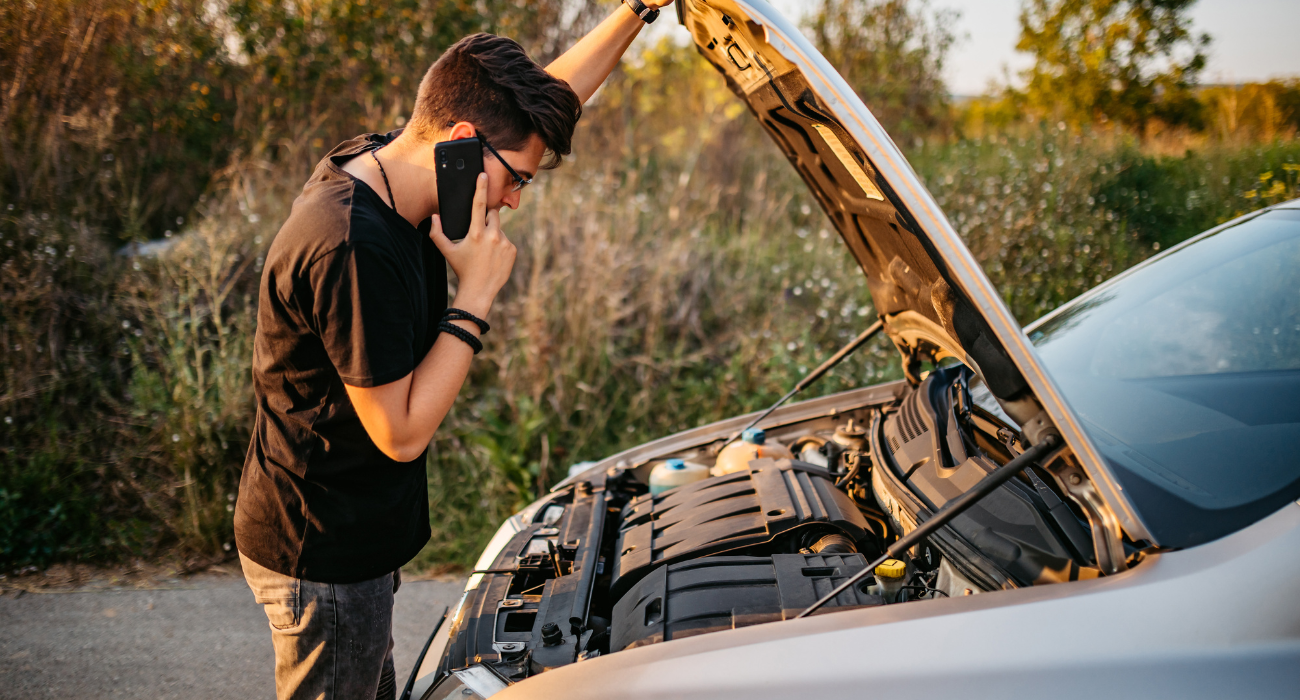
Tips to Help Reduce Breakdown Stress

Experiencing a car breakdown can be frustrating and stressful, especially if you’re far from home or in an unfamiliar area. However, knowing what to do in such a situation can make a difference in how smoothly things go. Here are 10 practical tips to help you navigate the stress of a car breakdown and ensure you get back on the road safely.

1. Stay Calm and Assess the Situation:

The first step is to remain calm. Take a deep breath and assess the situation. Determine if you can safely pull over to the side of the road or into a nearby parking lot. Staying composed will help you make rational decisions.

2. Turn on Hazard Lights:

Once you’ve pulled over, turn on your hazard lights immediately; this signals to other drivers that your vehicle is experiencing issues and helps create a safer environment around your car.

3. Identify Your Location:

Note your surroundings and identify your location as accurately as possible. Take note of any landmarks, road signs, or nearby businesses. This information will be crucial when seeking assistance.

4. Call for Assistance:

Call AutoLife’s Roadside Assistance number and give them your location and a detailed description of what has happened.

5. Pop the Hood Safely:

If you feel comfortable doing so, pop the hood of your car to signal that you’re experiencing issues. However, only attempt this if you can do it safely. Avoid opening the hood on a busy road or in a precarious location.

6. Stay Inside Your Vehicle:

For your safety, stay inside your vehicle while waiting for assistance; this provides a barrier between you and traffic and reduces the risk of injury.

7.Be Wary of Strangers:

While some people may genuinely want to help, being cautious when dealing with strangers is ok. Politely declining help in favour of professional assistance is also ok.

8. Keep Essential Supplies in Your Car:

Being prepared can alleviate stress during a breakdown. Keep an emergency kit in your car, including a flashlight, jumper cables, a first aid kit and a blanket.

9. Know Basic Car Repairs:

While not everyone is a car expert, basic knowledge of changing a tyre or jumpstarting a battery can be handy. Familiarise yourself with these skills to address minor issues on your own.

10. Schedule Regular Maintenance:

Preventive measures can reduce the likelihood of a breakdown. Schedule regular maintenance for your vehicle, including oil changes, tire rotations, and inspections; this helps catch potential issues before they become significant problems.

Experiencing a car breakdown is never ideal, but with the right approach, you can navigate the situation with minimal stress. Remember to stay calm, prioritise safety, and seek professional assistance. Incorporating these tips into your preparedness routine will equip you to handle unexpected challenges on the road.

Ready for the unexpected? Ensure your vehicle’s protection with Mechanical Breakdown Insurance. Call 0800 288 654 or click here for a quote today.

Myths About Electric Vehicles: A Closer Look at the Facts

Electric vehicles (EVs) have recently undergone significant advancements, but persistent myths continually cloud public perception. Let’s dispel some commonly held myths and delve into the dynamic changes taking place in the EV market.

Myth 1: Limited Range

Many skeptics argue that EVs can’t match the range of traditional fuel-powered vehicles. However, advancements in battery technology have extended the range of modern EVs significantly. Cars like the Tesla Model S and the Chevrolet Bolt boast ranges exceeding 480 km on a single charge. Additionally, the upcoming Ford Ranger PHEV combines the versatility of a ute with an extended electric-only range, addressing concerns about limited mileage.

Myth 2: High Purchase Costs

Historically, the upfront cost of EVs has been a concern for many consumers. However, decreasing manufacturing costs are gradually making electric vehicles more affordable. 

Myth 3: Limited Model Options

In response to consumer demand, automakers are diversifying their EV offerings. The Ford Ranger PHEV, set to hit New Zealand markets in 2025, is a prime example. Combining the utility of a ute with plug-in hybrid technology, it caters to those who require a powerful vehicle for work or leisure.

Myth 4: Charging Hassles

Charging an EV is often believed to be inconvenient, with concerns about limited charging stations and lengthy charging times. However, as the EV market grows, charging infrastructure is expanding rapidly. Again, citing the Ford Ranger PHEV as an example, it offers flexibility, allowing users to rely on electric power for shorter trips while having the backup of a combustion engine for longer journeys.

Myth 5: Environmental Impact

Critics argue that the production and disposal of EV batteries have a significant environmental impact. While the production process does have some environmental impact, studies show that EVs have a lower carbon footprint than traditional vehicles over a vehicle’s lifetime, while the introduction of more sustainable options from more brands addresses environmental concerns and provides consumers with greener choices.

Choosing the Right EV for You: Do Your Research

As the electric vehicle market expands, potential buyers must conduct thorough research. Read reviews from trusted sources, seek advice from registered EV mechanics, and align your choice with a model and brand that meets your specific lifestyle needs. Understanding the capabilities and limitations of different EVs ensures that you make an informed decision that aligns with your driving habits and environmental values. 

The EV market has evolved to address consumer concerns, offering a diverse range of models that match or surpass the performance of traditional vehicles. The upcoming Ford Ranger PHEV in New Zealand exemplifies the industry’s commitment to providing practical, sustainable, and versatile solutions for the modern driver. As technology advances and infrastructure expands, electric vehicles will become a more viable and attractive option for consumers worldwide.

Ready for the unexpected? Ensure your vehicle’s protection ith Mechanical Breakdown Insurance. Call 0800 288 654 or click here for a quote today.


Protecting Your Car From Sun Damage

The sun’s ultraviolet (UV) rays can cause damage to your car’s paint and interior upholstery. The obvious solution to prevent this is to keep your vehicle in a covered area when not in use. Unfortunately, this isn’t always possible or practical, so the best you can do is adopt measures to limit the damage. Here are some practical steps you can take.

Wash your car regularly

Regularly washing your car reduces the damage caused by sun exposure. The sun will bake on a build-up of dirt and grime, making it harder to remove. And, when you do come to remove it, you can cause damage to the paintwork without the proper cleaning equipment.If you keep your car outdoors, our best advice is to give it a good wash once a week. 

Wax your car

Aside from making your car look like a million bucks, a coat of wax (post-wash) will help protect your car’s exterior from the sun’s damaging rays.

Use a windscreen sunshield

A windscreen shield is an excellent way to protect your car’s interior upholstery. You can pick up a decent and inexpensive shield at most major retailers. 

Park in the shade

Whenever possible, park your car in a shady spot or undercover in a home garage or carport. Parking out of direct sunlight protects the exterior and interior of your vehicle from damage caused by the sun and the heat. 

If your car is exposed to the elements or out of use for long periods, it may be worth investing in a car cover. 

Use seat covers

Your car’s upholstery can take a hammering from the sun. Especially the front seats. Seat covers protect from the sun and the burn of overheated leather upholstery.

Check your tyre pressure

Hot tar seal can cause under-inflated tyres to blow out or sustain damage. Check your tyre pressure regularly to ensure the pressure is at the correct levels.

The bottom line

Taking the above measures to protect your car from the damaging effects of the sun is a worthwhile investment. Replacing car interiors and tyres or getting a new paint job can be costly and adversely affect the resale value of your car. 

The Kiwi summer sun is harsh! So, each time you reach for your hat or sun cream, turn your thoughts to your car’s sun safety too!

Ready for the unexpected? Ensure your vehicle’s protection with Mechanical Breakdown Insurance. Call 0800 288 654 or click here for a quote today.

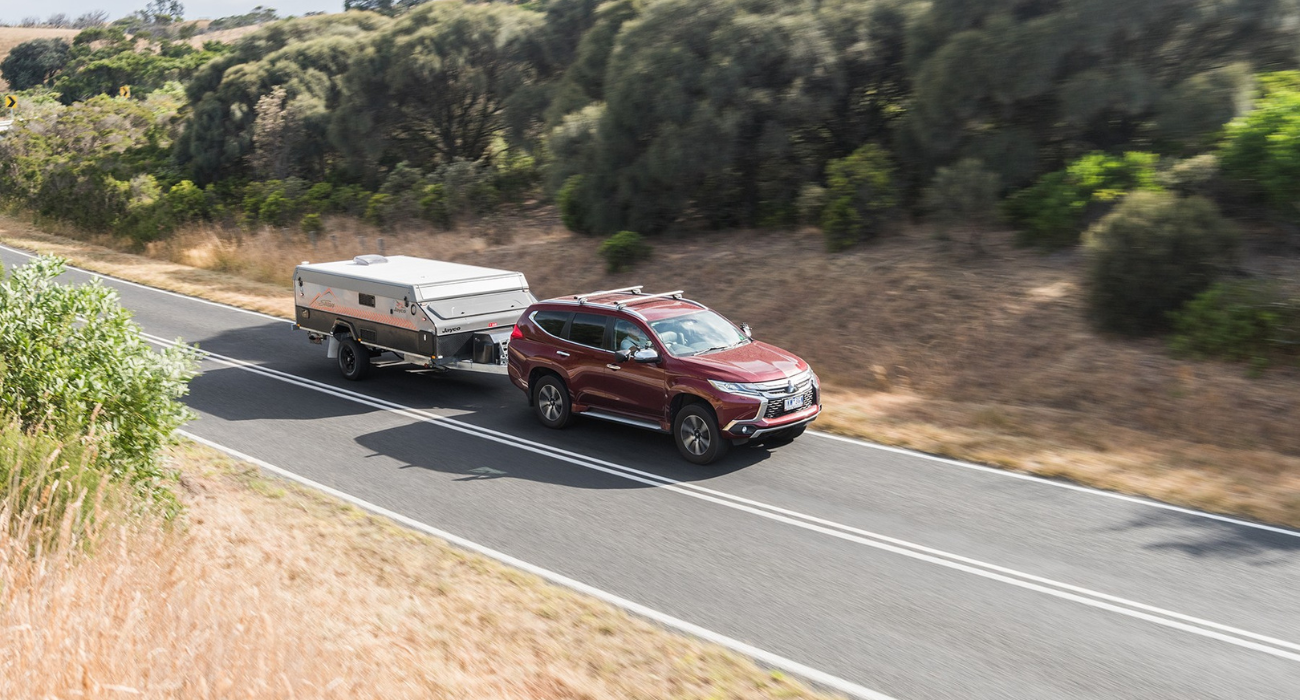
Will You Be Towing a Trailer? Here are Some Essential Tips to Ensure Your Success 

In this blog post, we outline the key factors to consider in hiring a trailer.

Choosing the Right Trailer 

There are various types of trailers available, from enclosed trailers to open trailers. The choice would depend on the kind of gear you’ll be carrying. For added security and protection from the weather, an enclosed trailer might be preferable.

Safety First

Test brake lights and indicators before you hit the road and ensure the trailer is securely attached to your vehicle.

Emergency Essentials

Always carry essential items like the following in case of emergency.

  • Spare tyre and tools: Ensure you have a spare tyre for the trailer and the tools needed to change it; this includes a jack, lug wrench and tyre iron. Pack a toolbox with essential tools for minor repairs and maintenance. Additionally, carry spare parts that are specific to your trailer, such as lightbulbs, fuses, connectors and fasteners.
  • Wheel chocks: These are essential to prevent the trailer from rolling when it’s parked.
  • Safety chains: Ensure your trailer has a safety chain to connect it to the towing vehicle. These provide an extra level of security in case the trailer becomes detached from the tow vehicle.
  • Proper hitch lock: To prevent theft, use a secure hitch lock to protect your trailer and its contents when it’s unattended.
  • AA Roadside Assistance Membership: Consider having a roadside assistance membership that covers your trailer, as it can be a lifesaver in case of significant breakdowns or accidents.

Securing Your Load

Securing your load is paramount when towing a trailer. Loose or oversized items can pose serious safety hazards, affect driving, and even lead to accidents. 

  • Secure fastenings: Ensure everything is fastened securely. Use proper tie-downs, straps, and anchor points to prevent shifting. Loose items can move during transit, potentially causing imbalance or instability, making the trailer hard to control.
  • Visibility and aerodynamics: Unsecured items can obstruct your view, creating blind spots and increasing the risk of accidents. Poorly secured loads can disrupt the airflow around your vehicle and trailer, reducing fuel efficiency and affecting handling.
  • Weight distribution: It’s crucial to distribute the weight in both the trailer and the car evenly to maintain stability and control. Heavier items should go in the car, closer to the axles, and lighter items should be secured or tied down.
  • Packing strategically: Teach the kids about efficient packing. Use bins, organisers and packing cubes to maximise space and keep everything organised.
  • Check your load periodically: Stop periodically during your trip to check the securement of your load. Straps may loosen over time due to vibrations and movement.

Remember, a successful road trip is not just about the destination but also the journey itself. It’s an opportunity to create wonderful family memories. Prepare well, be safe and enjoy the ride!

Also Read:

Buying an Electric Vehicle? Let’s Power You Up With the Right Questions 

In the new realm of EVs, how can you navigate the features and questions during research? Let’s identify key aspects and questions to avoid purchasing an electric lemon.

Range:

Question: What is the estimated range on a full charge, and is it sufficient for your daily driving needs?

Charging Infrastructure:

Question: What charging options are available in your area? Can you install a home charging station, and if so, what is the cost?

Battery Life and Warranty:

Question: What is the warranty on the battery, and what is its expected lifespan? How much will it cost to replace the battery when the time comes?

Charging Time:

Question: How long does it take to charge the vehicle using different charging methods (Level 1, Level 2, DC fast charging)?

Charging Compatibility:

Question: Is the vehicle compatible with various charging standards (CHAdeMO, CCS, Tesla Superchargers)?

Home Charging Options:

Question: Can the EV be charged using a standard household outlet (Level 1), or do you need to install a Level 2 charger at home?

Incentives and Rebates:

Question: Are there any government incentives, tax credits, or rebates available for purchasing an EV in your region?

Maintenance and Operating Costs:

Question: How do the maintenance and operating costs of the EV compare to a traditional gasoline vehicle?

Performance:

Question: How does the acceleration and handling compare to traditional vehicles? Is it fun to drive?

Resale Value:

Question: How does the resale value of the specific EV model compare to others in the market?

Charging Network:

Question: What is the manufacturer’s charging network like? Is it well-developed and reliable?

Reliability and Reviews:

Question: What do current owners say about the vehicle’s reliability? Have there been any common issues or recalls?

Warranty and Support:

Question: What kind of warranty does the manufacturer offer, and what does it cover? Is there a responsive customer support system?

Safety Features:

Question: What safety features are included, such as advanced driver-assistance systems (ADAS) and crash-test ratings?

Price and Total Cost of Ownership:

Question: What is the upfront cost of the EV, and how does it compare to similar gasoline-powered vehicles? What is the total cost of ownership over several years?

Environmental Impact:

Question: How does the manufacturing and disposal of the EV impact the environment? Are the materials used in the batteries sustainable?

Autonomy and Self-Driving Capabilities:

Question: Does the vehicle have any autonomous driving features, and if so, how advanced are they?

Size and Space:

Question: Does the EV provide enough space for your needs, both in terms of passengers and cargo?

Brand Reputation:

Question: What is the reputation of the manufacturer for EVs, and do they have a history of reliability and innovation in the electric vehicle market?

Upgradability and Software Updates:

Question: Can the vehicle receive over-the-air software updates to improve performance and add new features?

By considering these features and asking the associated questions, you can make an informed decision when choosing an electric vehicle that best suits your needs and aligns with your environmental goals.

Ready for the unexpected? Ensure your vehicle’s protection with Mechanical Breakdown Insurance. Call 0800 288 654 or click here for a quote today.

Essential Car Maintenance Tips for Smooth Summer Driving 

In this guide, we’ll walk you through the steps to prepare your car for the summer season, ensuring a trouble-free and enjoyable motoring experience.

Coolant Levels:

The cooling system is your car’s first line of defence against overheating. Check the coolant levels regularly, especially before embarking on long journeys. Ensure your radiator holds the recommended coolant mixture, and top it up if necessary. Be cautious when opening the radiator cap; always do so when the engine is cool to prevent burns.

Tyre Pressure:

Proper tyre pressure is vital for both safety and fuel efficiency. As temperatures rise, so does the pressure inside your tyres. Use a reliable pressure gauge to check that each tyre meets the recommended levels specified in your vehicle’s manual. Underinflated tyres decrease fuel efficiency and pose a safety risk.

Air Conditioning System:

A functional air conditioning system is a summer essential. Test your AC to ensure it’s blowing cold air, and inspect for any unusual sounds or odours. If you notice any issues, it’s advisable to have a mechanic check the system for leaks, recharge the refrigerant or make any necessary repairs.

Engine Oil:

Your car’s engine works harder in the summer heat. Check the oil level and ensure it is within the recommended range. Consider an oil change if your vehicle is due for one. Fresh, clean oil helps keep the engine cool and running smoothly.

Battery Health:

High temperatures can accelerate battery fluid evaporation, leading to potential issues. Inspect the battery for corrosion, clean the terminals if needed, and ensure it’s securely mounted. If your battery is older than three years, it might be wise to have it tested or replaced to avoid unexpected breakdowns.

Windshield Wipers and Washer Fluid:

Summer showers can surprise even the sunniest days. Check the condition of your windshield wipers and replace them if they show signs of wear. Also, ensure your washer fluid reservoir is filled with a summer-appropriate cleaning solution to maintain clear visibility.

Brake Inspection:

Brakes are critical for your safety. Inspect the brake pads and discs for wear and tear. If you notice any squeaking or grinding noises, or if the brake pedal feels spongy, consult your mechanic for a thorough inspection.

Lights and Indicators:

Ensure all lights and indicators are working correctly. Summer often means longer days, but functional lights are crucial if you find yourself on the road during dusk or dawn.

By following this summer car maintenance checklist, you’ll be well-prepared to hit the road and embrace the beauty of New Zealand’s summer. Regular maintenance enhances your vehicle’s performance and ensures a safer and more enjoyable driving experience. Safe travels!

Also Read:

The Importance of Properly Securing Your Summer Adventure Items

In this blog, we go into the significance of securing your extra items, share valuable tips and pointers, highlight common mistakes to avoid, and emphasise the potential dangers of neglecting this essential practice.

The Importance of Proper Securing

Safety First:

Ensuring the safety of yourself and others on the road is paramount. Unsecured items can become dangerous projectiles in the event of sudden stops, turns, or accidents, posing a serious threat to everyone on the road.

Protecting Your Investments:

Adventure gear doesn’t come cheap. Properly securing your equipment safeguards your financial investments by preventing damage or loss during transportation.

Tips and Pointers for Proper Securing

Invest in Quality Equipment:

Use reliable and purpose-built tie-downs, straps, and racks for different types of gear. Investing in quality equipment ensures longevity and reliability.

Follow Manufacturer Guidelines:

Adhere to the guidelines provided by the manufacturers of your adventure gear; this includes weight limits, proper attachment points, and specific instructions for securing items.

Double-Check Before Departure:

Before hitting the road, always double-check the security of your gear. Confirm that all straps are tight and items are secure. Regularly inspect the condition of tie-downs and replace any damaged components.

Secure Loose Parts:

Remove detachable or loose parts from your gear and secure them separately; this prevents parts from getting lost during transportation and minimises the risk of damage.

Common Mistakes to Avoid

1. Overlooking Weight Distribution:

Improper weight distribution can affect your vehicle’s stability. Ensure even load distribution, securing heavier items low and closer to your vehicle’s centre.

2. Ignoring Wind Resistance:

Roof boxes, kayaks, and other items can create significant wind resistance, impacting fuel efficiency and stability. Choose streamlined storage options and be mindful of how your gear affects aerodynamics.

3. Relying on Insufficient Tie-Downs:

Using inadequate or worn-out tie-downs can lead to disastrous consequences. Regularly inspect and upgrade your tie-downs as needed.

The Danger of Neglecting Proper Securing

1. Accidents and Injuries:

Unsecured items can cause accidents on the road, leading to injuries or fatalities. Taking the time to secure your gear contributes to overall road safety.

2. Financial Loss:

Inadequate securing may result in the loss or damage of your valuable equipment. Replacing or repairing gear can be costly and will disrupt your planned adventures.

3. Legal Consequences:

Non-compliance with transportation regulations can result in legal consequences, including fines and penalties. Being aware of and following these regulations is essential for a hassle-free journey.

Securing your adventure items is not just a precautionary measure; it’s a responsibility that comes with the privilege of exploring the great outdoors. By investing in quality equipment, following manufacturer guidelines and avoiding common mistakes, you ensure the safety of yourself and others and protect your valuable gear for future adventures. 

So, before you embark on your next journey, take the time to secure your gear—it’s a small effort that goes a long way in safeguarding your adventures.

Also Read:

A Step-by-Step Guide to Buying a Car in New Zealand

Embarking on the journey to purchase a car in New Zealand is an exciting adventure, much like navigating the diverse terrains of our Kiwi roads. In this step-by-step guide, we’ll navigate the twists and turns of the car-buying expedition.

Step 1: Research, Reflect, and Refine

Start your journey by identifying your needs and budget. Are you after a zippy city car or a rugged off-roader for those weekend adventures? Once you’ve got a clear picture, dive into online reviews, compare models and weigh the pros and cons. This stage sets the compass for your car-buying expedition.

Step 2: Hit the Showrooms

With your shortlist in hand, hit the showrooms for some hands-on experience. Pay close attention to comfort, driving dynamics and those nifty tech features. In New Zealand, where the roads wind through diverse terrains, ensuring your car aligns with your lifestyle is critical.

Step 3: Price Tag Tango

Channel your inner haggler, but keep it respectful. Dealers appreciate a well-informed buyer. Remember, it’s not just about the upfront cost; factor in on-road costs, insurance, and additional extras.

Step 4: Kiwi-Specific Insights

Check the vehicle’s history, especially for any flood or accident damage. Rust can be a sneaky foe, so inspect the undercarriage and take it for a spin on both city streets and the open road if possible.

Step 5: The Trusted Second Opinion

If you’re considering a second-hand gem, it’s wise to have it inspected by a trusted authority or your mechanic. A pre-purchase inspection can uncover hidden issues and give you peace of mind. In the spirit of Kiwi camaraderie, many sellers are open to this, appreciating the transparency it brings to the transaction.

Step 6: Dotting the I’s and Crossing the T’s

Now, it’s paperwork time. Ensure all the details are in black and white. Kiwis value transparency, so don’t shy away from asking questions. Double-check the paperwork, and seek advice on things you’re unsure about.

Remember, the road to your dream car might have a few twists and turns, but armed with knowledge and a bit of Kiwi can-do spirit, you’ll be cruising in style in no time. Safe travels!

Ready for the unexpected? Ensure your vehicle’s protection with Mechanical Breakdown Insurance. Call 0800 288 654 or click here for a quote today.

Upgrading Your Vehicle: Useful Tips

Upgrading your vehicle is a major decision. Recognizing signs like frequent breakdowns and a desire for modern features indicates when it’s time for a change. Clear indicators suggest it’s time to part ways with your current vehicle and seek a new ride.

There are some unmistakable indicators that it might be time to part ways with your current vehicle and look for a new ride.

1. Signs It’s Time for an Upgrade

  • Mileage and Wear:

If your car is racking up miles faster than a frequent flyer, and you’re constantly shelling out for repairs, it might be waving the white flag. Frequent breakdowns, strange noises, and increasing maintenance costs are signs it’s time to consider an upgrade.

  • Outdated Technology:

In today’s tech-driven world, having a car with outdated features can feel like using a flip phone in a smartphone era. If your vehicle lacks modern safety features, connectivity options, or fuel efficiency, it’s a sign that an upgrade could significantly enhance your driving experience.

  • Changing Lifestyle:

As life evolves, so do our needs. If your once compact and zippy car now feels cramped with a growing family or you’ve embraced new hobbies demanding more cargo space, it might be time to explore vehicles that better suit your current lifestyle.

2. Benefits of upgrading

  • Advanced Safety Features:

Modern vehicles include safety features like collision detection, lane departure warnings, and adaptive cruise control; upgrading ensures you’re not just driving but driving with an extra layer of security.

  • Fuel Efficiency:

With rising fuel costs and environmental concerns, upgrading to a more fuel-efficient vehicle can save you money at the pump and contribute to a greener planet. Embracing hybrid or electric technology might be the key to a more eco-conscious commute.

  • Enhanced Driving Experience:

Upgrading isn’t just about practicality; it’s about enjoyment. From intuitive infotainment systems to a smoother ride, a new vehicle can make your time on the road a pleasure.

3. Navigating the upgrade process

  • Private Sale vs. Dealership Trade-In:

Deciding whether to sell privately or trade-in at a dealership involves weighing pros and cons. A private sale may fetch a higher price but require more effort, while a trade-in at a dealership is convenient but might not yield the same return. Consider your priorities and choose the path that aligns with them.

  • Research and Negotiation:

Knowledge is power when entering the world of selling or trading. Research the market value of your vehicle, understand the negotiation process, and be prepared to stand your ground. Confidence and information are your allies in this game.

4. Tips for selling or trading In:

  • Presentation Matters:

First impressions count. Clean your car, address minor repairs, and consider professional detailing. A well-presented vehicle creates confidence in potential buyers or dealerships.

  • Set a Realistic Price:

Be realistic about your car’s value. Research similar models, consider the condition of your vehicle, and set a fair and competitive price. A balanced approach ensures a quicker sale or smoother trade-in process.

  • Documentation and Paperwork:

Have all relevant documents ready; this includes the vehicle’s title, maintenance records, and any other paperwork that adds credibility. A well-documented history can boost your car’s value.

Beyond the practical aspects of safety and fuel efficiency, the joy of an enhanced driving experience adds a layer of excitement to the journey. Whether you choose the path of a private sale or opt for the convenience of a dealership trade-in, the tips for a successful transaction are valuable companions. Remember, a well-presented vehicle, realistic pricing strategy, and meticulous documentation make for a seamless process.

Also Read:

The least and most reliable used cars

To help you find your next used car, here’s a list of the least and most reliable used cars on the market.

Researching used cars for their reliability is hard work. We’ve made it a bit easier by compiling a list of the least and most reliable used cars on the market.

Shopping around for a second-hand car can be stressful. After all, you don’t want to find yourself in a situation where you’ve fallen in love with a car, you’ve test-driven it and everything runs smoothly, you’ve handed over your hard-earned cash and, in a couple of months, you’re spending money on repairs and maintenance.

There are plenty of online resources and reviews to help guide you to the least and most reliable used cars available in New Zealand. We’ve done some research and compiled a list using information from various sources, primarily the UK used car warranty provider Warranty Wise.

This 2018 information is based on the number of claims against faults and how much they’ve cost owners. The results have been filtered according the models generally available in New Zealand. This can give you an idea of which vehicles to be wary of when you’re on the hunt for your next used car.

Least reliable used cars

Range Rover Sport

This car is a pricey performance SUV that tends to be used for school runs rather than trips across mountain ranges or in the bush. According to Warranty Wise, this is the least dependable model, with the most common problem being suspension faults, which can put you out of pocket for around $1,000.

Problems start to arise when the car is around 8 years and 7 months old.

Peugeot 207 

A handy little zip-around car that may seem like a steal on the used car market, but can be quite costly in the long run for its owners. According to the report, the Peugeot 207 has issues such as engine faults and cylinder gaskets which cost an average of $1090 to repair. While this may not seem as expensive as other repair costs for the different models on the list, the overall cost in terms of vehicle value is pretty high.

Problems start to arise when the car is 10 years and 2 months old.

Mercedes Benz C-Class

There’s nothing worse than buying a car that’s expensive only to find that it’s going to cost you more in the long run. Unfortunately, the Mercedes C-Class falls under this category. Some common problems include electrical and sensor faults which can cost an average of $703 and $420 respectively to fix.

Problems start to arise when the car is 9 years and 5 months old.

Mini Cooper

While an iconic vehicle, the Mini Cooper has become far more expensive to run since its ownership changed to BMW. Common major issues include clutch, engine and gearbox fixes which cost over $378 to fix. Unfortunately, this is just a small list of problems that have been reported.

Problems start to arise when the car is 1 year and 6 months old.

Fiat 500

Similar to the Mini Cooper, the Fiat 500 is a small retro car that has made its comeback to the market in a heavily modernised format. While it may look great, it is on top of the list of vehicles with costly repairs in the long run. The most common issues include gearbox, suspension and electric faults, costing on average $1406, $567 and $681 respectively.

Problems start to arise when the car is 7 years and 7 months old.

Most reliable used cars

We’ve covered the most unreliable cars, here are the most reliable cars, including the Warranty Wise information.

  1. Volkswagen Polo
  2. Ford Fiesta

Most reliable used cars

  1. Ford Focus
  2. Ford Transit
  3. Audi A3

How this list lines up within New Zealand

According to dogandlemon.com editor, Clive Matthew-Wilson, Warranty Wise’s list of unreliable cars is true but does not paint a complete picture. This is because of how UK car owners buy their vehicles compared to Kiwi car owners.

Based on his reliability studies, which measure reliability over ten years over several hundreds of kilometres, Toyota and Lexus generally come out on top, followed by Japanese makes like Mazda and Honda, then Korean makes like Hyundai and Kia.

Also Read:

Tips to pass your WoF

A warrant of fitness is a regular check to ensure your vehicle meets the road safety standards. Read our tips on things you should check before your inspection.

Here are some tips on things you should check before your warrant of fitness inspection to ensure your vehicle passes.

Warrants of Fitness (WoFs) are regular check-ups for your vehicle to ensure it continues to meet New Zealand’s road safety standards. Depending on your vehicle’s age, you will either need to get it checked every six months or year. According to statistics, around 40% of cars fail their WoF the first time because of simple defects such as wipers and lights.

While it may be nerve-wracking taking your vehicle in for a WoF, it may help to think of the process the same way as taking yourself to the dentist or doctor for a check-up. Here is some key information you need to know about WoF inspections, including tips on how you can maximise your vehicle’s chances of passing a WoF the first time.

What is a WoF?

A WoF is a regular check-up for your vehicle to ensure it meets required New Zealand safety standards. It’s up to the vehicle’s owner to ensure their vehicle is up to required WoF conditions at all times. For example, your vehicle may pass a WoF but, if your tyre treads get to the minimum depth, you should get them replaced as soon as possible. If you wait until your next WoF inspection, you increase the risk of having an accident.

What happens if my vehicle fails a WoF?

If your vehicle fails a WoF, it is illegal to drive it on the road unless you’re taking it to get it repaired or to get a new WoF. Under these conditions, always make sure it’s safe to do so. You will be given 28 days to fix any identified issues after an initial failed inspection, and your vehicle can be re-inspected by the same location for no additional cost. After 28 days, you’ll need to pay a new fee for another inspection.

What does a WoF inspection cover?

A WoF inspection covers the following:

  • Brakes
  • Structural conditions (there can’t be rust in certain areas)
  • Lights
  • Tyres (including tread depth)
  • Windscreen wipers and washers
  • Doors
  • Safety belts (these can’t be damaged or overly faded, and the buckles must work properly)
  • Airbags (if fitted)
  • Glazing, to check the windscreen is safe
  • Speedometer
  • Steering and suspension
  • Exhaust system (make sure there are no leaks or smoke, and ensure it’s not louder than the original exhaust system)
  • Fuel system (check there are no leaks)

What doesn’t get inspected?

Some areas of a vehicle’s condition don’t get checked as part of the inspection. For example:

  • Engine, clutch and gearbox
  • Lubricant levels and condition
  • Brake pad thickness or life expectancy (unless they are visibly below safe limits)
  • Paintwork condition and some rust in non-structural areas

Things to check before taking your vehicle in for a WoF

WOF

Here are some things you should check before your WoF inspection:

  • Check your lights, including the indicators, park lights, brake lights and headlights – both dipped and on high beam. If you’ve got a blown bulb, be sure to get it replaced before the inspection.
  • Check your windscreen wipers. Test that they don’t leave any patches or smudging on your windscreen. If they do, get the wipers replaced.
  • Check your tyre pressures and treads. Make sure your tyres aren’t bald by using a tyre tread depth indicator. Get your tyres pumped to the recommended PSI. You can check the recommended pressure in your owner’s manual. Some vehicles have tyre pressures labelled on the passenger door. Don’t forget to check your spare tyre pressure and tread too.
  • Check the oil levels using the dipstick. If the oil doesn’t reach the indicator mark, you need to top it up with more oil. It’s important to ensure your car has the correct level of oil in it, as this can cause increased wear and tear to your vehicle’s engine, or even cause it to seize up.
  • Check the seats and seatbelts. If you notice any rips or tears on the seatbelts, take them to a mechanic to get them checked or replaced. If you have a child safety seat in the car, remove it before the inspection.
  • Empty your car boot. This will enable the inspectors to easily access the spare tyre during the inspection.

If your vehicle passes its WoF inspection, the inspector will apply the WoF label on the inside of your front windscreen, on the driver’s side. Be sure to note the expiry date, so you know when you’ll need to take your vehicle in for its next WoF inspection.

Also Read:

Driving during a flood

Unpredictable weather patterns mean we’re likely to experience storms and flooding more often in New Zealand. Here are some tips on how to drive in flood conditions.

Extreme weather is becoming more common in New Zealand. Here are some tips to prepare for how to drive through floodwaters if you encounter them.

The recent floods in Northland, Auckland, and Hawke’s Bay have highlighted the perils of driving during heavy rainfall and floods. The news has been dominated with images of vehicles almost completely submerged, or even floating in flood waters.

While we’re used to wet driving conditions in New Zealand, it’s clear that climate extremes are here to stay. This requires far greater awareness of the dangers of driving in flood conditions and torrential rain.

It can be extremely hazardous driving in flooded conditions and it’s essential to understand the risks and how to drive safely if you find yourself in a flash flood, heavy downpour, or severe storm or cyclone.

Here are some potentially life-saving and vehicle-saving tips on how to drive safely in flooded conditions, how to judge when it’s no longer safe to drive on a flooded road or bridge, and what to do if you vehicle stalls while you’re driving through deep water.

  1. Check the forecast and conditions

Driving during a flood

If you are aware of heavy rain or a storm approaching, check the weather forecast and road conditions in your area, as well as any Civil Defence or emergency services warnings. You can check New Zealand’s MetService website or app for weather forecasts and your local civil defence group or the Red Cross hazards app for alerts and warnings.

If there is a flood warning, avoid driving and, if you must drive, plan your route carefully and stay to main roads, which are more likely to be clear of floodwater due to better stormwater infrastructure.

  1. Proceed with caution

Flood and driving

If you must drive in flooded conditions, always proceed with extreme caution. Reduce your speed and maintain a safe following distance from the vehicle in front of you. Switch on your headlights but keep them on low beam, as high beam can reflect off water and impair the visibility of other drivers. Avoid quick, hard turns or sudden braking, as this may cause you to lose control of your car.

  1. Do not drive through floodwaters

flood

If you come across a flooded road or bridge, don’t attempt to drive through the water, unless you’re absolutely sure it’s safe. If the water is more than 15cm – or halfway up your wheel – don’t take a risk and try and drive through it. Water deeper than this can make your vehicle stall, float away, or even be swept off the road by the current.

  1. Drive with caution if it’s safe

If you decide it’s safe to drive through floodwater, always proceed slowly and cautiously. If you drive too fast, the wave caused by your vehicle could drench other road users, and the displaced water could find its way into your vehicle’s engine bay.

Change into a low gear and maintain a slow, steady speed. If you drive an automatic car, you’ll often have an option to choose a low gear. Don’t stop or change gears while driving, as water may enter your engine, causing it to stall.

If you’re stuck in a queue of cars, it’s advisable for each car to pass through the water one by one. This will give you and other drivers a good idea if it’s safe to cross the flooded area or not. Also, if more than one car passes through and it’s not safe to cross, emergency services will need to rescue the occupants of more than one car in the flooded area.

  1. Crossing a flooded bridge

If you need to cross a flooded bridge, always drive with extreme caution. Before crossing, get out and check the condition of the bridge and make sure the water level isn’t more than 15cm deep. If the bridge is damaged or the water is high, don’t attempt to cross. If you’re unsure, try and find an alternate route.

When crossing a flooded bridge, always drive in the middle of the road, where the water is likely to be shallower, due to the camber. Wait for other vehicles already on the bridge to pass before crossing. Keep your vehicle moving at a steady speed and avoid sudden movements or braking.

Once you’ve safely crossed the flooded area test your brakes. This will help remove water, so they work normally again when you need them.

  1. If you get stuck in deep water

If your vehicle stops when you’re in deep water, don’t panic. Stay inside your vehicle, as it can be very dangerous to get out. Call for help from emergency services and, while waiting, switch off your engine and turn on your hazard lights.

If the water continues to rise and you feel you’re in danger, try to climb on the roof of your car and wait for help to arrive.

If your vehicle has been caught in floodwaters, it’s recommended you don’t drive it. You also shouldn’t attempt to start your it, as water could be inside the engine and electrical systems. Contact your roadside assistance or insurer for advice before attempting to drive it.

Also Read: