Protecting Your Car On Road Trips

Road trips are fun but unexpected breakdowns can happen if you’re not prepared!  In this month’s Autolife, we look at some simple steps you can take to reduce your risks of a breakdown on a road trip and some essentials you should pack with you.

Before your road trip

Get your vehicle serviced!  The most important thing you can do before heading out the door these holidays is get a professional to check that everything is running smoothly.  Some of the things you should check before you leave are:

  • Your oil – if you don’t need an oil change, see if you need to add oil.
  • Your engine air filter – if it’s dirty or filled with debris, it’s safer to replace it with a new one.
  • Spark plugs – check your spark plugs for corrosion, residue or gaps between electrodes, and replace them if necessary.
  • Tyres – the last thing you want to do is have to change your tyres mid-journey.  Check that your tyres aren’t cracked and ensure that they are inflated to the correct pressure.  Also make sure that your spare tyre is inflated just in case you need to use it!

  • Fluids – ensure that you check and fill the fluids in your car to ensure they don’t run low on your trip.
  • The lights – check your brake lights, indicators, high beams and low beams in the dark to make sure they’re all functioning.
  • The battery – car batteries typically last between three to five years so if yours is on the older side it’s important to test it and replace it if you think it might be worn.
  • The brakes – fill the brake fluid and check the pads – you don’t want your brakes failing when you’re on the road!
  • Belts and hoses – if there are cracks, holes or frayed edges in your belts or hoses replace them now to avoid a roadside repair.

The best way to ensure that every part of your vehicle is in tip top shape is to just take your car in for a comprehensive service for a guarantee that every part of your vehicle is fit for the road.

What to pack in your car emergency kit

Sometimes, despite your best measures to avoid risk before you set off, you can still find yourself in the unfortunate position of a vehicle breakdown.  The best way to prepare for this is to have an emergency car kit with some useful items to help you cope with a mechanical breakdown.  Here’s a guide to the essentials you should pack in your car’s emergency kit:

  • A car owner’s manual – car manuals usually contain instructions on how to deal with changing fuses, topping up fluids, maintaining the correct tyre pressure and other common problems.  Having a car manual on you can sometimes save you from having to call in a repair in the first place.  It can be useful to keep your warranty, car insurance and emergency car service contact information along with the manual for easy reach.
  • A torch and spare batteries – if you have a break down at night, a torch can be necessary to do things like check your car’s bonnet or even to try signal motorists.
  • A spare tyre, a jack and a wheel brace – in the event that you have a flat tyre, having a spare can get your back on the road in no time.
  • First aid kit – although a first aid kit won’t be able to fix all medical problems, having a basic first aid kit can be a huge help at quelling an issue or at least keeping someone safe until an ambulance can get to you.

  • A blanket – blankets can be helpful in many situations – if you’re feeling groggy sometimes the best solution can be to find a safe spot to pull over and take a quick nap before you get back on the road.  If you break down on a hot day, a blanket can also be used to create some shade.
  • Drinking water and snacks – if you are stuck in a breakdown on a hot summer’s day, drinking water can be a literal life-saver.  If possible, try to find space for a 10-litre container to get you through any emergency – but any amount of water is better than none at all.
  • Jumper leads – having your own jumper leads can be a good way to try to get your battery going with a jump-start before you have to call emergency roadside assistant.  Your manual should have instructions on how to safely carry out a jump-start.
  • A basic tool box – as well as the above, a basic tool box can help you fix some small issues with your car if they arise.

Sometimes, breakdowns can be totally out of our control.  If you’re planning to be on the road this summer though, make sure that you’re prepared to weather emergencies to truly make the most of a summer road trip.

Electric Cars In New Zealand

Everywhere in the media, it’s clear that electric vehicles are having their moment in the spotlight. With fuel prices in New Zealand climbing higher and higher, car owners find themselves wondering whether they should consider the switch to electric vehicles. If you’re finding yourself in the group of people wondering what the big fuss about electric cars is read our Autolife article this month for a crash course on all things EV!

What are electric vehicles?

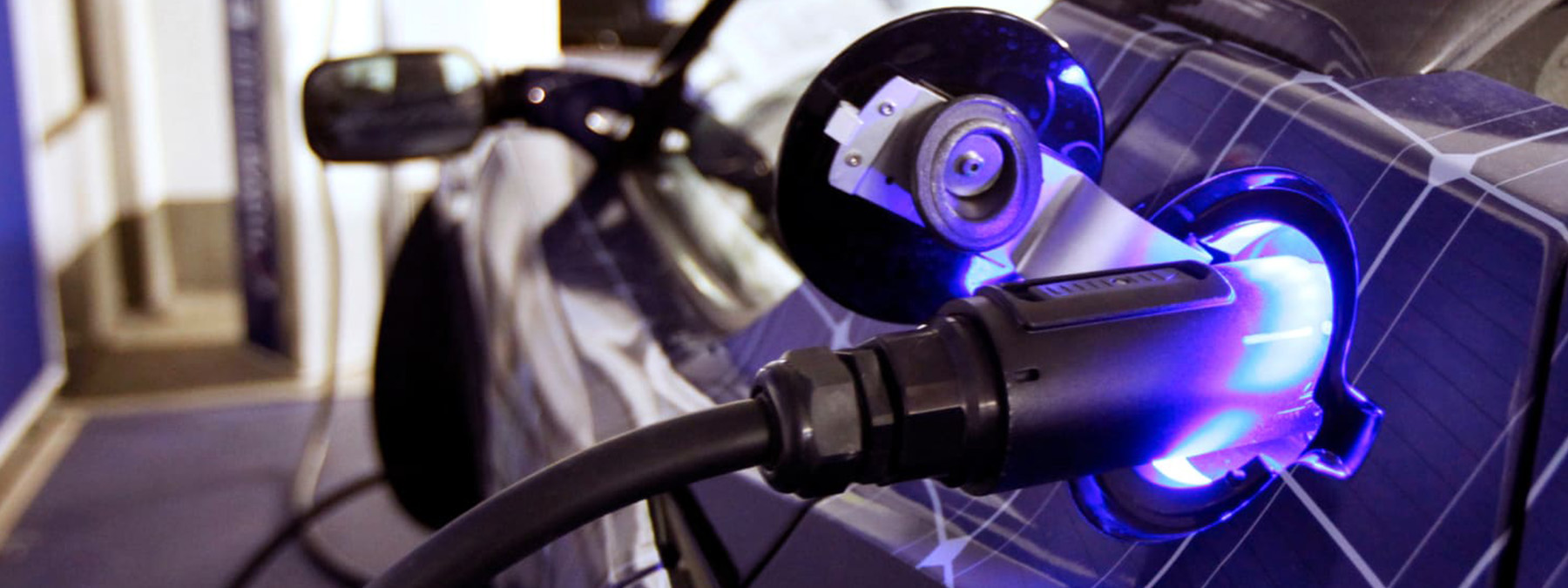
Electric vehicles don’t need fuel! They charge up just by plugging them into an electricity source. There’s a growing number of charging stations across New Zealand but you can also choose to install a charger in your home. Electric vehicles are growing in popularity around the world and are establishing themselves as an environmentally friendly option that doesn’t rely on fuel to operate.

What electric cars are available in New Zealand (used and new)?

In New Zealand you can buy electric vehicles from a lot of traditional car dealerships. Many traditional brands such as Nissan, Mitsubishi, Kia and Toyota sell EVs and Hybrids but you can also opt for high end brands such as Tesla, Volkswagen, BMW or even Porsche. Even though EVs still make up a small proportion of the market, there is a large range of electric vehicles you can choose. A quick look at the used and new markets shows that you can find vehicles starting from $9,000 going all the way up to $400,000.

If you’re looking for a used vehicle, your best bet is to check websites like TradeMe where a lot of imported used electric vehicles are often listed. Most car dealerships and showrooms sell brand new electric vehicles for higher price tags.

What are the ongoing costs for electric vehicles?

Although you don’t have to pay for fuel when you buy an electric car, there are still some ongoing costs.

The first thing to note is that EVs can often be more expensive to buy upfront. Because there is less of an EV market in New Zealand, it’s harder to find less expensive second-hand electric vehicles in the same way you can find second-hand petrol vehicles for sale.

In general though, what it costs you to run your EV depends on the cost of electricity, the amount of driving you do, and the kind of driving you do.

If you drive an average of 12,500km a year, at the current fuel prices of around $2.50 a litre, your fuel costs would likely be over $2,500 a year. In contrast, the same distance in an electric vehicle would be around only $500 a year. That’s $2,000 in savings on fuel every single year!

Energywise has estimated the cost of running an EV is the equivalent of paying $0.30 per litre – now that sounds pretty appealing given how fuel costs are moving!

Contrary to popular belief, however, even the maintenance costs of electric vehicles are usually lower. Because you don’t need things like fuel filters or spark plug replacements, most of the common reasons for visiting mechanics disappear when you switch to an electric vehicle.

The most expensive maintenance cost involved with owning an electric vehicle is the battery replacement – and that is assuming you ever actually need to do that. Although most electric vehicle owners probably won’t need a battery replacement during the period of your battery warranty, if you’ve used your EV consistently for a long time, your battery will begin to feel the effects of continual use.

The cost of electric vehicle battery packs varies depending on what brand you buy but Nissan LEAF replacement batteries cost around $5,499 – and these are the most common second hand electric vehicles. Prices can go up to around $15,000 but since 2010, battery costs have continued to decrease so in the future even this service cost associated with electric vehicles will go down.

Autolife Breakdown Cover for Electric Cars

As more and more cars on the road are electric or hybrid, having electric vehicle or hybrid vehicle breakdown insurance is a growing necessity for car owners who want peace of mind protection on the road. Autolife is proud to now provide Autolife Green for electric vehicles. If you have an electric or hybrid vehicle, apply for a free quote today, or give us a call to talk through the options you have for protecting your new vehicle!

Car Services

It’s important to keep your car well serviced for its maintenance. If you want your car running at an optimal level and to extend its life, make sure you take your car in regularly. In this month’s Autolife, we look at some of the reasons it’s so crucial to keep your car serviced.

1. Safety
One of the most important reasons you should have your car regularly serviced is to ensure that it is safe on the road. Getting a regular oil check is vital for your car but during that time, your mechanic can perform a routine check to make sure there are no underlying issues. These checks involve checking the brakes, air and cabin filters, and air pressure in the tires. Any issues in these can be fatal, and undetected issues can mean you’re driving in a dangerous vehicle. Thousands of car crashes occur every year, but most causes are easily preventable with regular trips to your mechanic to identify and solve small problems before they become a big deal.

2. Value of vehicle
If you ever think you might want to resell your car, or use its trade-in value, in the future, it’s also essential to keep your car well-maintained. There is a noticeable difference between cars that are well looked after – not just aesthetically but its service records will show how well maintained it is. If you take good care of your car through regular maintenance, it will have higher market value.

3. Running costs
Paying a little now for regular vehicle maintenance can prevent bigger, costly repair bills in the future. Having your car serviced at regular intervals means you can identify the little things that are easy to fix now but could lead to a more expensive repair in the future. Keeping your engine, brakes, and tires in working condition can spare you money in the long run.

4. More reliability
Your vehicle is probably one of the biggest purchases you’ll ever make so it makes sense to look after it. Simple mechanical problems can lead to costly emergencies and breakdowns, so a regular car service can ensure you’re protected from unexpected breakdowns or engine failures. As well as this, you can reduce the likelihood of unexpected wear and tear by keeping moving parts greased up.

5. Fuel efficiency
When comparing cars with different fuel economies, it’s important to remember that a car with better fuel efficiency will cost less to cover similar distances. This can add up to a big difference to your wallet. Cars can be made more fuel efficient with legitimate and well planned, regular car servicing which ensures everything is running to optimum efficiency.

6. Less pollution
Finally, it’s clear that emissions from your vehicle contribute to air pollution globally, but if you keep your car consistently services, your car will produce lower amounts of dangerous fumes and fluids that can arise from wear and tear from overuse and under maintenance.

Not only are regular car services essential to keep your car running in top form, but they can drastically reduce your risk on the road (as well as the costs of dealing with any breakdowns). To keep your car running smoothly, it’s recommended that you service your car at least once every 12 months.

Buying a New Car in New Zealand

Advanced technologies are extending the lives of cars more and more every year – so when it’s time to upgrade your vehicle, it can be really confusing walking into a car dealership! If you’re in the position of switching cars in the near future, it’s likely that you’ll be spoiled for variety and choice. In this article, we look at some tips for buying new vehicles to help you find the perfect fit!

  1. Research. Before you go to a dealership, it’s important to do research on what your options are so you have a fair idea about what kind of car will be best for your needs. The kind of vehicle that would best suit you depends on multiple factors – you may need to consider the makeup of your household, your safety requirements, the areas you drive, and other questions that will help you finalize the makes and models you’ll want to look at. Another important benefit of thorough research is that you can check car reviews and buyer’s guides to see what other real-life users think of cars you might be interested in to compare different vehicles, and also gain an idea of what the market price is.
  2. Talk to your insurance agent. Most people eventually get their vehicle insured (and we highly recommend that you do for peace of mind!), and that’s why you should have a chat with your insurance provider. This is because different vehicles can cost different amounts and so to understand the true annual cost you will pay for each vehicle that discussion is important so you’re aware what you can expect to pay in insurance for each different vehicle you are considering.
  3. Finance. It’s important to understand your finances so you are aware of what your budget for your new car should be. Remember that the cost of a car isn’t just the price you pay for the vehicle, but all of the maintenance costs that you pay over the years. Knowing how much you can afford to spend yearly on your vehicle can help you prepare for those yearly costs that keep your car on the road.
    As well as this, if you plan on buying your new car using finance, shop around to find the best rates possible. Try to get the amount you’re willing to spend pre-approved by a lender so you have the same power as a cash buyer at dealerships. Also be mindful of total costs if or when setting up finance through dealers. Although payments may appear small, factors such as interest and fees can make the costs skyrocket, so make sure you calculate which financing option would be best for your individual budget.
  4. Test drive. The only way to truly know if a car is the perfect fit for you is to take it for a test drive. When taking a test drive for a car that you’ve finalized, it’s crucial that you’re thorough in your check. Dealers can sometimes be happy to let you test drive a new car for an extended time (or even overnight) so investigate if this is an option for you. Test the car under the conditions you would usually drive it in. If you drive in stop/start traffic, see how the car handles the traffic, and if you’re driving in the country, take it for a spin on the open road. In this process you’ll be able to learn how the car parks, its blind spots and most importantly, how comfortable you feel behind the wheel.
  5. Bring other people along to see the vehicle. Having the opinion of family/friends can help you narrow your options down. Bring along someone whose opinion you trust and that might just help you find the one.
  6. Final checks. By this point, you probably have an idea of which car you’re planning on buying. Now, to make sure you’re buying a vehicle that will actually work for you, do a thorough inspection. An easy thing you can do on your own is going over the car’s paint work and interior carefully to avoid finding imperfections. If you’re purchasing a second hard vehicle, you may also considering looking up the history of the car. Things such as whether the car has a wound back/clocked odometer, any finance outstanding, if it’s recorded as stolen or if it has been re-registered is some simple but crucial things a background check can find out for you that will save you a lot of trouble down the line.
  7. Negotiate. Finally, you’ve found the perfect car. Now, you just need to get the perfect deal. The best way to get a good deal for yourself is to play it cool and be confident in the decision you’ve made. Be prepared to walk away if you feel like you’re getting an unreasonable deal! Just because you’ve entered into negotiating a deal doesn’t mean you should feel pressured to accept a deal you don’t want.

Hopefully with these tips you feel more confident in the buying process. If you feel like it’s time to upgrade your vehicle, take advantage of all of the resources out there and get yourself a good deal!

Behind the cost of fuel

Recently, the Labour Party introduced a regional fuel tax on Auckland motorists. With all the discussion on fuel prices, we’ve broken down the different components that make up the price that rings up at the petrol station.

You’ll be surprised to know that the price paid for the actual fuel itself is only around 60 cents per litre for petrol and 61 cents per litre for diesel. With shipping costs of around 4.1 cents, this brings the cost of petrol to 64.1 cents and diesel to 65.1 cents.

From here, the government adds National fuel taxes (also known as the excise tax) – this is only applied to petrol. These total to 66.48 cents per litre. The national fuel tax is made up of a variety of funds, levies and taxes. The National Land Transport Fund is the major contributor to the cost here, and makes up 59.52 cents of the excise tax. You also contribute towards Accident Compensation Corporation (ACC) levies at 6 cents a litre, Petroleum/Engine Fuel monitoring levies at 0.3 cents a litre, and Local Authorities Fuel taxes of 0.66 cents a litre. After this excise tax, both diesel and petrol drivers contribute 2.6 cents per litre towards the Emissions Trading Scheme levy.

Once the excise tax is added, the cost of petrol goes up to 133.18 cents per litre. After this, retailers are able to add their mark up, and finally GST is levied on the total. The GST collected (15% of the total cost) is also applied on the excise tax – essentially a tax on a tax.

This is why fuel across the country can cost upwards of $2 a litre. However, with the introduction of the regional fuel tax in Auckland, an extra 10 cents per litre (on both petrol and diesel) is added to the total cost of fuel. This has seen fuel cost over $2.20 a litre at petrol stations in Auckland, resulting in motorists having to pay significantly higher costs on fuel than in the past.

Petrol stations near the city boundaries, such as in Northland and Waikato, now have prices significantly lower than petrol stations just a few kilometers down the road from them.

In the next three years, the government is planning on increasing the nationwide excise tax (currently at 66 cents per litre) by another 12 cents, which would bring the total excise tax to 78 cents per litre.

Have you considered the idea of changing to an electric or hybrid vehicle? Let us know your thoughts on our Facebook page – facebook.com/autolifenz

Car fires

Car fires are a dangerous potential risk for all car owners. They may seem unlikely with all of the safety systems cars have in place but every year there are multiple instances of cars catching fire on New Zealand roads.

Since there is a risk of car fires, it’s important that all owners are aware of the multiple factors that can increase the likelihood of a car catching fire to avoid a threatening situation.

Car accidents

The most common cause of cars catching fire is a car crash. Most vehicles are built so that crumple zones don’t lead to internal (more dangerous) spots like the engine, battery or gas tank bearing the brunt of the impact but in bad crashes, the gas tank may start leaking, which could cause a fire. It’s not always clear if the crash has led to a gas or fluid leak but a fire can start quickly so it’s important to get away from a vehicle crash site as fast as possible.

Poor maintenance

Human error and lack of maintenance won’t be the direct cause of a fire in your vehicle but will certainly exacerbate the problem. Your car will always be more dangerous the less up-to-scratch it is with regards to maintenance and constant checks, but especially in the case of car fires, the more broken parts, leaky seals, or faulty wiring you let go without repair, the more likely it is that these issues will make it easier for a fire to start if they come in contact with flammable liquids.

Even popping the hood and doing a simple visual check can greatly reduce risks, but it’s also important to get proper professional vehicle checks done, and to deal with vehicle failure as it happens.

Accessories

One major cause of cars catching fire is vehicle modifications with the installation of poor quality accessories. It isn’t necessarily the quality of the product itself that leads to the fire, but the installation process (often involving loose wire fittings in the car).

When these accessories are installed poorly, it can lead to short-circuiting in hot weather or extreme sunlight. Often poor wiring can also blow a fuse in which case wiring can melt and potentially lead to a fire.

Battery problems

A car’s battery can also be a potential fire hazard, as it only takes loose battery terminals arcing to potentially lead to a disaster. Similarly, if the cables attached to the battery and worn and short, they can produce a massive spark that could lead to a fire, so it’s important to keep an eye on the wiring in your car to make sure it is properly insulated.

Overheating

Overheating in catalytic converters and engines are also major causes of car fires. One of the hottest parts of your car is the exhaust system. Catalytic converters overheat because they’re working too hard to clear the exhaust system, making the car even hotter. If the catalytic converter gets hot enough, it could ignite the vehicle.

An engine can also overheat and make internal fluids rise in temperature and spill, leading to potential for ignition.

What to do if your car catches fire?

If you see any signs of a potential fire, the first and most important thing to do is to pull over, turn the car off, and get out and away from the vehicle. A fire can start rapidly so don’t worry about your belongings, just get to a safe distance and call 111.

Car fires can take you by surprise but by taking preventative measures, you can greatly reduce your risk of your vehicle succumbing to hazardous car fires.

Green Driving – Electric and Hybrid Vehicles

The future of vehicles is looking green – electric and hybrid vehicles are growing more and more popular in New Zealand.

Electric vehicles charge up by just plugging them in – you don’t even have to visit a petrol station. There’s a growing number of charging station across the country, but you can also choose to install a charger in your house.

A hybrid vehicle has a conventional engine and an electric motor, so it combines petrol/diesel engines with the use of electric motors, meaning you emit far less CO2 than a traditional petrol or diesel engine. Hybrids are able to generate electric current on their own and store it in a battery to use it to help drive the car.

Worldwide, more drivers are turning towards electric cars. In the United States, 20% of Americans said their next vehicle would be electric or hybrid (up 5% from 2017), and the UK predicts that there will be 9 million electric cars on the road by 2030.

tesla-electric-car

Electric and hybrid vehicles have also been steadily growing in popularity in New Zealand, and the number of electric vehicles has increased from just 192 in January 2013 to 7597 in April 2018. The government aims to have 64,000 electric vehicles on the road by the end of 2021.

Reports show that electric cars are more likely to cut NZ’s carbon footprint than solar panels. For environmentally conscious drivers, electric and hybrid vehicles provide an easy way to decrease your carbon emissions.

The rising price of gas is also a major reason why the sale of environmentally friendly cars (such as EVs or HVs) will grow over the next few years. Most people who say they would consider a hybrid vehicle say that lower fuel costs are the main reason why they would make the switch.

As well as this, both light and heavy electric vehicles are currently exempt from Road User Charges and will be until electric vehicles make up two per cent of the national fleet.

Especially in New Zealand, with proposed fuel taxes (and regional fuel taxes for Auckland), hybrid and electric vehicles will rise in popularity as they consume far less fuel than traditional petrol-run cars.

Driving in wet weather conditions in New Zealand

As New Zealand moves well into the cold season it’s important to take extra care when driving. Wet weather conditions make driving difficult, and also mean you have to take extra care of your car’s maintenance.

If you have to drive often in bad weather (whether it’s raining, icy, snowing or just foggy), here are some tips to keep in mind so you can stay safe on the road this autumn and winter!

  • Check your vehicle! It’s really important that your brakes, tyres, windscreen wipers, lights and steering are working well, especially in wet weather. Make sure you’re regularly checking your car to make sure it’s in good condition.
  • Increase your following distance using the four-second rule. Roads are extra slippery when it’s wet, frosty or icy – this means it takes longer to stop.
  • Keep an eye on visibility – it’s incredibly hard to see the road when the weather is bad and this increases the risks of crashing. Make sure your windows and mirrors are clean (and not fogged up!).
  • If your car doesn’t have ABS brakes, don’t break too hard when it’s wet because your car may go into a dangerous skid. You should pump your brakes gently. If you do have ABS brakes, don’t pump the brakes but keep the pedal pressed down hard and steer out of trouble.
  • Watch out for spray – even when it stops raining, approaching vehicles may spray water on your windscreen so make sure you have your windscreen wipers on in these cases.
  • In foggy conditions, dip your headlamps. If you drive with full beam, the light will just reflect back on you. You can use fog lights when conditions are bad, but try to avoid rear fog lights unless conditions are very bad since they may distract drivers following you. Make sure you turn your fog lights off when driving conditions improve.
  • Avoid surface flooding. The first reason for this is that you can’t tell how deep the water actually is – there could be hidden potholes that will damage or stop your vehicle. Another reason is that you might get your brake pads wet, which will stop them from working until they dry out. If you do get water inside your brake pads, pump your brakes to try to dry them out – tap them lightly repeatedly until they start responding. If they don’t, change gears and apply the handbrake to slow yourself down.
  • The most important thing you can do is reduce speed! In bad weather conditions, even the speed limit may be too fast for the conditions. It’s really easy to lose control in wet conditions (especially if you have to brake suddenly), so make sure you slow down.

If you live somewhere where you get icy or snowy conditions, here are some specific tips to keep in mind:

  • If your vehicle isn’t 4WD, it’s best to avoid driving in snow.
  • If you do drive in the snow, increase your following distance and reduce your speed.
  • Select a lower gear, or if your vehicle has an additional snow or ice setting, activate this.
  • If the road you drive on experiences heavy snowfall may require snow chains. Make sure you have a set and know how to fit them.
  • Avoid sudden braking or sharp turns to avoid entering a slide.
  • If you get stuck in snow, don’t spin the wheels or rev the vehicle because this will just dig your vehicle further in. Slowly maneuver the vehicle lightly forwards and backwards to gently creep out.
  • Watch out for black ice! Black ice can be hard to spot but can make you lose control suddenly. Make sure you drive slowly when conditions are bad so you aren’t taken by surprise.

Giving your car a good clean

The importance of keeping your car clean

We usually don’t realise how damaging it can be to our cars when we leave them dirty but regular cleaning is essential for the long-term preservation of our vehicles.
Dirt on cars very quickly damages the finish, and once the finish is damaged, scratching and rusting is much harder to protect against. This means that the metal of the car can also be at risk. Rusting can lead to bubbles in the paint, and before you know it, your brand new car can look like a vehicle that’s been on the road for years.

Safety in vehicles

Keeping your car clean is also important for your safety! Dirty windows reduce visibility, increasing your likelihood of getting in accidents. Dirt can work with blind spots to make it harder for you to keep your eyes on the road.
It’s also good for your health to keep the inside of your car clean. Think of how much time you spend in your car every day. If your car is messy, it’s a breeding ground for bacteria that could easily make you sick.

How to clean your car

  • If you’ve been on a road trip this summer, you would have seen the effect this had on your car. The windows are probably dirty; the paint might’ve lost its shine – that’s not the car you want to be driving around town!
  • Your first step should be cleaning the inside of your car (its way harder to do this while the outside of your car is still drying). Vacuum the seats and the mats and use a damp cloth to wipe dust from the dashboard.
  • If the screens in your car have gathered dust, wipe them with a cloth and then use a glass or screen cleaner to finish them off. Always remember to spray onto your cloth and then wipe (not directly on the surface!).
  • After you’ve cleaned the inside of your car, it’s time to clean the exterior. In terms of equipment, all you need is a few buckets, a sponge or cleaning mitt, a brush for your wheels, and a towel to get that finishing shine. For your cleaning product, make sure you’re not using dishwashing detergent – this will eat into the paintwork of your car. Automotive-specific cleaners aren’t expensive and are much safer for your cars.
  • Start by spraying your whole car with clean water, then fill up your buckets – one with soapy water and one with clean water to keep your sponge clean (this means you won’t be spreading dirt around). Clean your car from the top to the bottom, using straight lines instead of circles to avoid scratch marks.
  • If you accidentally drop your sponge, make sure you either clean it straight away or replace it with a clean sponge. A dirty sponge can lead to debris from the ground scratching against your paint which is a surefire way to ruin your paint job.
  • Once you’ve scrubbed your car, rinse the soap off with clean water and then use your towel to dry the car and make it shine. Once again, go top to bottom in straight lines to avoid streaking.

Where to clean your car

If your car is really dirty, it’s worth getting a professional clean and then maintaining the clean at home. We’ve listed some great places to go if you’re looking for that extra shine. *

In Auckland:

  • Carfé – Situated in Greenlane, Carfé has professionals on hand to hand wash your car while you relax in the café and grab a bite. The team at Carfé will make sure your car is as good as new as you leave. No bookings necessary.
  • Rub-A-Dub Valet Carwash – If Epsom is closer, Rub-A-Dub Valet Carwash is another great place to go. They provide many different levels of services to meet your needs, and also have a loyalty system which earns you Rewards Dollars every wash.

In Wellington:

  • Top-Notch Grooming – Top-Notch Grooming offers a variety of services depending on what you’re looking for from your car wash. The team at Top-Notch Grooming has years of experience in car grooming and will take good care of your vehicle!
  • ZEROnClean – ZEROnCLEAN is an eco friendly car wash company that also offers multiple services depending on your needs and your budget.

In Christchurch:

  • Espresso Carwash – Espresso Carwash Café provides you a hand wash service with a range of services available. They also provide interior cleaning services. Espresso Carwash has multiple locations across Christchurch.
  • Grooming Solutions – Grooming Solutions provides hand washes starting. If you book online, you also get a discount off your first grooming service. Alternatively you can also choose to drive in as bookings are not required.


*DISCLAIMER: AutoLife has no relationship with the companies listed. Autolife has made the utmost effort to make good recommendations; however, we make no warranties, express or implied, as to the quality of these companies. Reviews are based wholly on information from these third-party websites. We are not liable in any manner for any direct, indirect or consequential damages.