Red Flags When Buying or Selling a Car Online

For most of us, our car is one of our biggest assets and when we buy or sell a new one it can be an exciting time. While most people are honest when presenting a car for sale, unfortunately a few are not. So, it makes sense to take care when buying or selling a car online.

To help you avoid problems, we have put together a list of what to watch out for and action to take when going through the buying or selling process online.

1. Check the price

As they say, if it looks too good to be true then it probably is! If the price listed for the car seems to be a lot less than similar ones on the market, then there may be something wrong that they may not be telling you about, or it’s possibly a scam. In this scenario, it is wise to walk away.

2. Check the odometer

If the car’s odometer doesn’t seem to match the age of the vehicle, it might have been tampered with. There are of course some legitimate reasons for having an exceptionally low odometer reading but if you have any suspicion, it is best to check it out with a mechanic.

3. Check their contact information

If the buyer or seller lists their phone number (they should!) then give them a call to have a chat about the car. This is a good opportunity to check they answer the phone and talk to you. If your call isn’t answered, or the number doesn’t connect, take this as a warning sign.

4. View the car before buying it

Always make sure you can check out the car in person before buying it. If you’re selling, make sure you invite potential buyers to come and view your car.

In particular, it’s important to watch out for potential scams, where the seller says they will transport the car to you for free after you purchase it. The easiest way to avoid being caught is to view the car before you buy it. It also allows you to check everything else about the car and take it for a test drive.

In New Zealand you can search the Personal Property Securities Register (PPSR) to see if there is any money owed on a car, the NZ Police website to see if the car has been reported as stolen.

5. Be wary of people wanting a quick sale

If someone is trying to sell their car quickly be careful it is not just a ploy to force you to make a quick decision. Sometimes people say they are moving to another city and are desperate for a sale. It could be true and, if so, you’ll potentially get a great deal, but it pays to be extra cautious.

6. Be careful when meeting buyers and sellers

It is always a good idea when meeting strangers to meet in a public place and, if possible, take a friend or family member with you. It’s best to avoid inviting people to your home and, if allowing people to take your car for a test drive, make sure your insurance will cover damage in case of any accidents.

7. They don’t upload good photos

If sellers list cars for sale online with bad photos that could be a sign that all is not what it appears. For example, they might be hiding possible damage to the vehicle. If you’re interested in the car, there’s no harm in asking for additional, better quality photos.

8. Be careful of payment methods

If you are buying a car online, try and make sure you pay the seller via an NZ bank account and not an overseas payment system such as PayPal. This is because your money will be harder to recover if it’s through an offshore payment gateway. And, when you’re selling a car, don’t hand over your keys until the money is safely in your account.

9. Make sure the paperwork is signed

When you buy or sell a car in New Zealand, both the buyer and seller are legally required to independently notify the NZ Transport Agency of the sale and acquisition. This can be done online or at an NZTA agent. If a buyer or seller won’t complete the paperwork, you should stop the transaction and find a new buyer or seller.

The Benefits of Regular Car Maintenance

6 reasons why regular car maintenance is so important

For most of us, our car is one of our most valuable assets, so it pays to keep it well maintained. The good news is that it doesn’t have to cost you a lot of money and most mechanics make it easy to keep to a regular maintenance schedule.

Here are some of the main benefits of keeping your car well maintained.

1. When you look after your car it will look after you

When parts in your car like brake pads and tyres aren’t maintained and replaced regularly you risk having more accidents. Accidents do happen anyway, but you can reduce the chances – especially of more serious accidents – if you keep your car well-maintained. This reason alone is why it’s a good idea to have your car regularly checked out and serviced by your mechanic – it will help to keep you and your family safe.

2. You’ll get better performance

It’s also important to have regular car check-ups, as this will help make sure you’re getting optimal performance from your car. If you think about driving on a long trip, for example, and not having the best tyre traction or steering, this is not only unsafe but also means a less pleasant driving experience.

3. You’ll save money

The small cost of a regular check-up is preferable to the long-term cost and impact of having an accident or not getting optimal performance from your car. It’s no different to going to the doctor or dentist for regular check-ups; it’s simply the smart thing to do.

4. It will save you time

For most people time is a very important resource. We would all like more time in the day to do all the tasks on our to-do list. That’s why it is really important to keep your car well maintained. If you have the misfortune of being involved in an accident, or your car stops working, your car could be off the road for days or even longer. You’ll have to rent a car, use taxis or public transport to get around, which will not only waste your time but also cost you more.

5. Spend less on petrol

For most of us, filling up the tank is a regular weekly cost. A well-maintained car will save you money at the pump since you will be using less fuel to run your engine if it’s properly maintained.

6. You’ll get a better price when you sell your car

When the time comes to sell your car, most prospective buyers will ask you if you have kept the car well maintained. They might even ask for maintenance records. If you have these records, you will secure the sale quicker and most likely get a better price for it. So, it makes sense to keep it well maintained.

If you keep your car well-maintained you will save money, get better performance, keep you and your family safe and you’ll get a better price when the time comes to sell your car. It doesn’t have to be expensive to do and most mechanics offer service plans. The benefits far outweigh the costs!

What to Do If You Come Across a Road Accident

Five steps to take if there’s an accident on the road

Coming across an accident on the road isn’t something most of us are prepared for. So, if you ever find yourself in this difficult and sometimes traumatic situation, it’s important to know what to do, so you can spring into action immediately. Time is of the essence, particularly when human life is at risk.

1. Prepare in advance

The first step in preparing yourself for a road accident is making sure you have the right equipment to respond with. The first essential component for roadside assistance is a complete first aid kit. While this may be useful for you and the passengers in your car at some point, it becomes even more valuable at the scene of an accident.

Your first aid kit should ideally be in a waterproof container and stored in an area of your car that remains cool, as sunlight and heat can degrade some first aid products. Check your car first aid kit regularly and replace items that have expired or are running low.

St John offers clinically approved vehicle first aid kits of various sizes, or you can search online for the key components and create your own.

A fire extinguisher is another important product to keep in your car in case you come across a road accident where fire is involved. A high visibility vest or jacket, or warning sign, is also important in case you break down on the side of the road. They are also useful to warn vehicles approaching the scene of an accident.

2. Assess the scene

If you come across an accident on the road, slow down and approach it carefully. It’s a good idea to park a safe distance away from the accident area, so you don’t get in the way of passing traffic or take up room that emergency services might need when they arrive. If there are other bystanders at the scene and the accident is in a busy area – like a highway or main road – ask someone to guide the traffic carefully around the accident site.

3. See if anyone’s hurt

Once approaching traffic is being safely redirected, the next step is to check that everyone involved in the accident is safe and uninjured. If anyone is hurt, you may need to apply first aid if you have the appropriate skills. If you don’t, you can ask if other bystanders have first aid training.

First aid training is good to have. Both the New Zealand Red Cross and St John offer first aid courses.

4. Call 111

For serious injuries, a 111 operator can talk you through what to do while you wait for emergency services to arrive.

If there are other bystanders at the scene, get someone else to call 111 while you check on those involved. If you’re by yourself, check on everyone involved in the accident first before calling 111, so you can give them specific information about what’s happened and the nature of the injuries.

Ask for an ambulance as well as police if someone has been injured, which is frequently the case in a car accident.

Always inform the emergency call handler of the accident’s location first, so they can dispatch the emergency services needed immediately, while you’re giving them the rest of the details. Tell them how many people are hurt and the extent of their injuries, as well as the number of people and vehicles involved in the accident.

5. Don’t leave the scene

Even if no one has been injured in the accident, don’t leave the scene until the police arrive. You’ll need to give them your details and any comments you have about the accident before you leave. They’ll follow up at a later date if they need any further information from you. You can always reach out to emergency services afterwards if you remember something important.

Which Car Colour is Easiest to Maintain?

Pros and cons of popular car colours

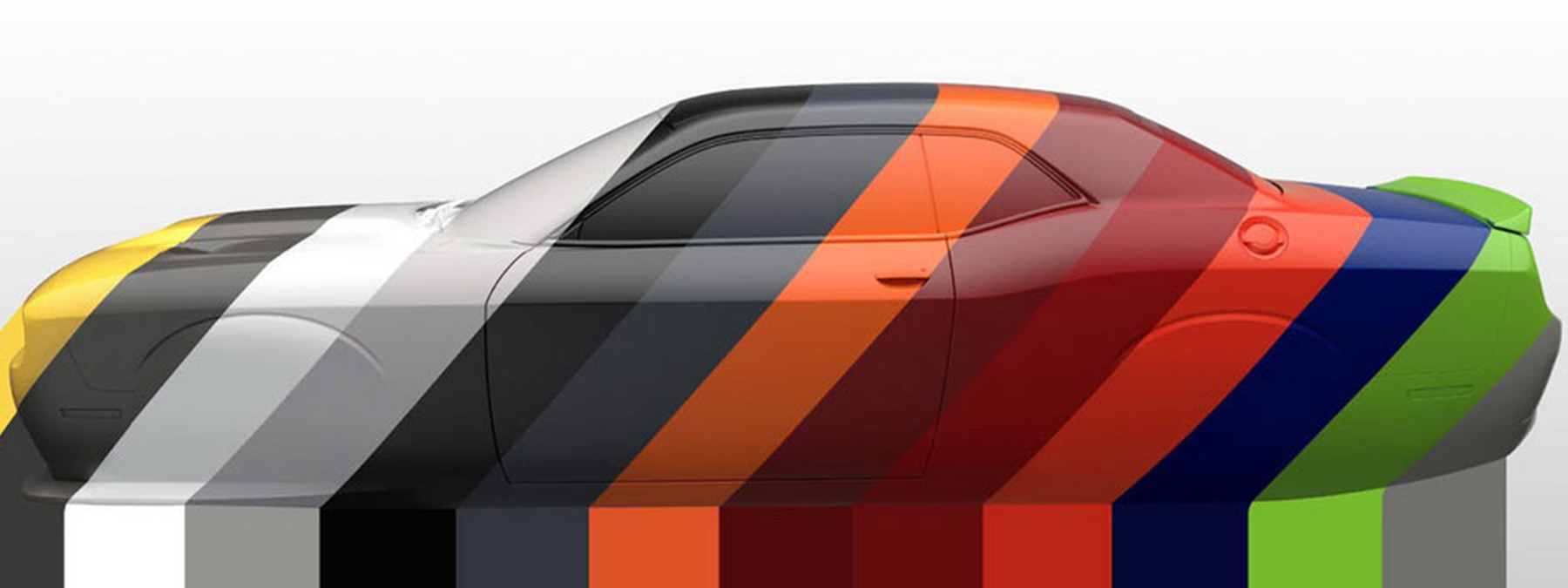
When shopping for a new car, it’s easy to be seduced emotionally by certain colours. Many people will choose black or red because they believe they look the best, without thinking about the maintenance involved with a car of these colours. However, it’s important to not overlook the impact of colour choice, as it will affect how your car will look a few years into the future.

Black

With a total of 12% of cars on the road this colour, black is one of the top choices for car enthusiasts the world over. A shiny black car of any model can draw an emotional response from almost anybody! However, the shiny black car you see at a car dealer isn’t necessarily a true representation of how it will look after a year or two of use.

There are a few considerations when it comes to choosing a black car:

• Black retains heat. This means that when the paint of a black car heats up from the sun, it will warm the interior of the car too.
• Any scratch, or imperfection, to black paint is magnified.
• Black paint tends to show dust, dirt and grime more than other colours. This makes it necessary to clean a black car more regularly.
• Black isn’t as visible in low-light conditions.

So, unless you have a lot of time and love cleaning your car, you could tire of the maintenance involved in owning a black vehicle. Other colours that share the same characteristics as black paint include dark metallic blue, burgundy and similar dark colours.

White

Sitting on the other end of the colour spectrum is white – another very popular colour choice for car owners. Here are a few benefits of owning a white car:

• White paint hides dirt and imperfections well compared with other, particularly darker, colours.
• It doesn’t heat up as much in the sun.
• It is more visible in poor light. According to research by Australia’s Monash University, white cars are the safest and are 12% less likely to be involved in an accident compared with black cars. Blue cars can be dangerous too, as they blend in with the daytime sky and are hard to differentiate from black road surfaces. And red cars can blend in with signs, traffic lights, brake lights and emergency lights.

However, the downside of owning a white car is that any dirt or tar kicked up by the tyres will show up on the white paint.

Neutral colours

Based on this quick analysis, you might think that white cars trump black ones every time. However, there are other mid-range colours that combine the best of black’s sleekness and white’s practicality.

Cream, beige and similar neutral shades offer some of the same benefits as white paint, but they hide dirt and grime better. Here’s why this colour range offers some great practical benefits:

• It hides dust well.
• Dirt and grime spread by your car wheels is less noticeable than a white car.
• Because it is a lighter colour, it doesn’t heat up like a black car.
• It polishes up to a deep shine.

Conclusion

Every car colour on the spectrum has its benefits and drawbacks depending on where and when you drive. The biggest consideration, though, is personal preference which is what ultimately counts!

Six Tips and Hints on How to be a Better Driver

Driving is something we do regularly, so it’s easy to take it for granted. For example, merging lanes becomes second nature and we become accustomed to seeing other cars driving alongside us. It’s easy to tune out and begin to focus on our destination, rather than the journey.

It’s good to be confident with your driving but it’s important to not get complacent. Here are ten tips on how you can become a more courteous, considerate and safer driver.

Get set up properly

There are some important tasks to take care of the moment you sit in the driver’s seat and before you put your keys in the ignition. When preparing for your trip, plug in your mobile phone to charge, then put it in an easy-to-reach place where it’s unlikely to distract you. If you get out at a stop, you may need it.

After you’ve done this, double-check your rearview and side mirror positions. Ensure they are at the correct angle for your seat and eye positions.

Road courtesy

Tailgating is one of the most annoying and dangerous driver behaviours. Along with the potential to create anger in other drivers, it is also extremely dangerous to not observe safe following distances. Rule of thumb is to follow the two-second rule in fine weather and the four-second rule in bad weather. To calculate it use a fixed object – like a pole on the side of the road – and use it to make sure you’re either two or four seconds behind the car in front.

Pay attention to your surroundings, including other drivers and what’s happening on the road further ahead. Hidden queues and unexpected sharp turns are recipes for disaster, so look ahead and anticipate what’s coming up. Other drivers are unpredictable, so drive defensively and keep you and your passengers safe.

Better driving techniques

Using a mobile phone while driving is illegal but there are many other equally distracting actions that can cause bad outcomes on the road. Examples are passengers talking to you incessantly, inputting data into your GPS, fiddling with your radio and dealing with children. These are distractions that should be avoided at all costs. Give your full attention to the road and your car and to getting to your destination safely with minimal stress.

Ensure you are alert and fully awake when driving, particularly on long trips and when travelling at night, when you would usually be asleep. Many accidents are caused by drivers falling asleep behind the wheel, so make sure you take regular breaks. Even if you aren’t feeling sleepy, your attention span, eyes and brain will need a break from focussing intently for a prolonged period of time.

How to Drive Safely on Wet, Icy or Snowy Roads

New Zealand is a beautiful country, with great scenery, friendly people and pristine landscapes. Travelling to see our country’s more wild and untouched beauty, however, can mean driving on some perilous and winding roads, especially when bad weather hits.

In colder weather and temperatures these out-of-the-way roads can become tricky to navigate safely. Both the North and South Islands experience wet conditions in winter, however, a number of South Island and Central North Island roads also throw up the dual challenges of ice and snow.

Wet, icy and snowy conditions are responsible for a number of road accidents each year, so here is some guidance on how to drive safely in these conditions.

Planning your trip before you leave is essential when travelling during winter. Pick the safest routes and avoid choosing one just because it seems more convenient, or it might save you time.

If the weather forecast predicts bad weather, it’s wise to postpone your trip until the worst has passed. If your trip can’t be put off, it’s a good idea to drive during daylight – ideally spanning the middle of the day – and allow a bit of extra time for your trip. Driving during the day means you can see better and there’s less chance you’ll come across ice and snow on the road.

Before you leave, check your car’s oil, tyres, lights and brakes and ensure you have enough petrol in your tank in case you get diverted onto a different route. If you are driving in high altitude or very cold conditions, dress warmly and have a survival and a medical kit in your vehicle in case you get stranded or encounter other problems.

After setting off, make sure you drive to the conditions. This means that if the road is icy, wet or snowy, you should drive slower than usual. Don’t brake suddenly or turn sharply, as this could cause your car to skid and you to lose control.

If skidding is a threat and your car doesn’t have safety braking, ensure you pump the brake in quick successive bursts rather than holding your foot down, as this will reduce the risk of a skid. Stay particularly alert when driving over bridges, and slow down, as they often stay icy and slippery for longer than our usual chipseal or asphalt roads.

If you’re driving a long distance in winter, try and share driving responsibilities to make sure you remain fresh and alert. Stay well-rested and ensure you have a break every two hours or so if there is no-one to share the driving with.

How to Clear Your Windscreen in the Cold

Even though we’re heading into spring, the weather and temperatures in New Zealand can be colder and more unpredictable than in mid-winter. Something we’re seeing more of the past few weeks around the country is ice on our windscreens.

While this might be common for those who live in the colder, more rural parts of our country, townies may be stumped when they’re running late for work, grab their keys and run out to their car, only to find their windscreen covered with the cold stuff.

To make things worse, if the exterior of your car has frost on it, it is likely that the interior of your windscreen will be fogged up too. Foggy windscreens are usually quite easily remedied by using the windscreen demisters in your car. However, ice on the outside is trickier to manage.

The challenge is that frost obstructs your vision, stops you from seeing clearly through your windscreen and it can’t be removed using windscreen wipers. Spraying cold water on it can often make the problem worse.

Here are four tips to help keep your windscreen clear:

1. Scrape it off

If you don’t have access to specific materials or solutions, you can scrape off the ice manually. Start your engine and begin warming up your car, including blowing warm air onto the interior windscreen. After a few minutes, you should be able to use a credit card or plastic scraper at a thirty-degree angle to remove the frost from the windscreen. Start at the bottom and work upwards, as demisters work this way too.

2. Use a de-icing product

Vehicle owners have been dealing with the challenge of frosted windscreens for a long time, so smart people have developed specific products to help remedy the situation quickly. You can buy de-icing sprays and liquids at auto stores and online, however, making your own solution is easy and cost-effective.

One option many people swear by is the ¾ vinegar and ¼ water mixture. Simply mix it up and pour, or spray, the solution over your windscreen. Simply brush the excess off with a soft brush, or use your windscreen wipers to remove the remaining solution so it doesn’t freeze up again.

3. Pour warm water on the windshield

This method is perfect if you haven’t prepared beforehand and need the frost off your windscreen as soon as possible. Simply fill a bucket with lukewarm water and pour it on the windscreen from the top down. It’s important to make sure the water is warm – that is, not boiling – or you run the risk of your windscreen cracking.

4. Prepare beforehand

If you don’t want to deal with the chilly problem of clearing your car’s windscreen first thing in the morning, you can prevent the ice from forming in the first place. According to Stuff, placing a sack, sheet, towel or a sheet of bubble wrap over the windscreen at night will help prevent frost from forming. You can just lift it off in the morning and enjoy your ice-free windscreen.

High-risk Kiwis Behind the Wheel

Drive down most motorways in New Zealand and it won’t be long before you come across road signage promoting safe driving. Or, settle in for a night of television viewing, and one of the startling New Zealand Transport Agency (NZTA) advertisements will pop up to warn you about the dangers of speed or drug use when driving.

You would think in a culture full of prompts to drive carefully that most New Zealanders would take this advice seriously. However, according to the recent New Zealand Safe Driving Report from consumer website, Finder, 76% of respondents admitted to risky behaviour while driving. This works out at around 2.7 million Kiwis who are taking chances they shouldn’t when behind the wheel.

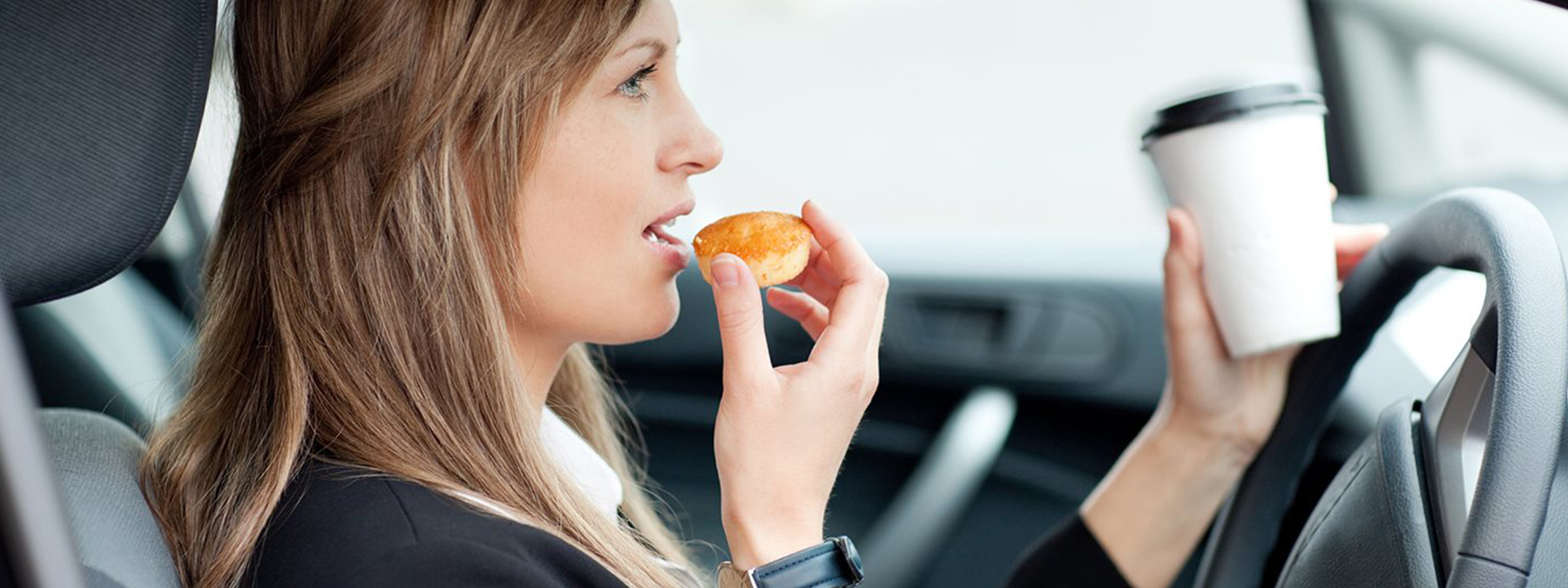
Some of this risky behaviour includes eating while driving (64%), driving in jandals (37%) and smoking (22%). Then, of course, there are the more hazardous behaviours like answering the phone (20%) or texting (19%). Amazingly, 1% of us admitted to watching a TV show or movie, reading the newspaper, or even shaving while behind the wheel.

Before you brush off some of these more common behaviours as harmless, it’s important to realise that anything that takes your attention off the road, or off your driving, is risky. At the speeds we travel, even a distraction of less than one second could mean the difference between having enough time to react to a danger and being too late.

If you’re answering a phone call, or reaching for something on the ground or in the backseat, for example, you’re putting your own and others’ lives at risk.

Another potential impact of risky behaviour behind the wheel is that many insurance companies won’t cover you if they consider you have been driving recklessly. Finder NZ’s Kevin McHugh says, “If you’re texting and driving and run into another car, you’ll need to foot the bill for any damages yourself. This can set you back thousands of dollars.”

While driving, it is imperative to follow the road safety rules. These include wearing your seatbelt, not speeding, being sober and alert, not using your phone and driving to the conditions. Even if you are confident of your ability to multitask when driving, it’s important to remember that you share the road with other people, who may do unexpected things behind the wheel.

A frequent real-life example is if you are driving on the motorway and you happen to be in the blind spot of a car merging into your lane. If you’re not paying attention to the road and other drivers, your split second lack of focus could have serious ramifications.

As road users, we all have a responsibility for the safety of ourselves, our passengers and other drivers. If you recognise you’re guilty of any of these risky behaviours, decide to put an end to them. And, if you’re a passenger and see your driver being distracted by any of these behaviours, strongly discourage it. It takes just a momentary lapse of concentration for an accident to occur.

Avoid Becoming a Car Theft Statistic

Having your car stolen can be a huge setback that costs you time and money. Unfortunately, the car theft statistics in New Zealand aren’t good. A recent analysis of New Zealand Police data by global comparison website, Finder, shows that a car was vandalised or stolen every 21 minutes, based on 2019 statistics.

These figures reveal just how real the threat of vehicle crime is and why it’s important to plan ahead to avoid become a statistic.

The Finder report describes various car theft trends that vehicle owners should be aware of. The first is that there has been a 16% increase in incidents on weekends, compared with weekdays. The second is that – unlike the common perception that everything bad happens in the wee hours – 3pm is in fact the most common time for thieves to steal or damage your car.

Earlier this year, news website Stuff published a report on which cars were most commonly stolen. Topping the list is the Toyota Hilux. This may be due to the fact that these vehicles are both popular and therefor prevalent in New Zealand, plus the older models are considered easy to break into.

Second most favoured by thieves is the Holden Commodore, followed by the Subaru Legacy. Interestingly, thieves preferred the station wagon version of the Legacy, rather than the sedan! Fourth place on the list is the Ford Courier – possibly earning its place because of the high demand for its parts. Rounding out the top 5 is the Subaru Impreza.

Even though car theft is ramping up, you can make sure you don’t have sleepless nights (or stressed days) worrying about your car being stolen by having vehicle insurance. The key, however, is to carefully consider all aspects of your car insurance policy when taking it out and then make sure you review it regularly.

Finder NZ publisher, Kevin McHugh, stresses the importance of having adequate and up-to-date cover for your vehicle. “Some insurance policies won’t cover you if your car is stolen. If you’re living in a crime-prone suburb, review your policy and opt for something a little more comprehensive.”

A second step for vehicle peace of mind is to lower your insurance premiums by reducing your level of risk. This may include installing an alarm and parking in off street parking. These are both good ways to protect your car, reduce your risk profile and potentially lower your premiums.

Another tip is to review the sum insured on your car. This is important because your insurance policy should reflect the current market value of your vehicle. In the event of a claim, you can expect to only recover as much as the limit on your policy.

3 Tips When Returning to Driving

After you’ve been driving for a while, manoeuvring the roads and using your car’s controls becomes second nature. Being nervous and cautious about driving on public roads becomes a distant memory after you earn your license.

However, sometimes circumstances mean that you don’t drive for prolonged periods of time. A prime example is emerging from Covid-19 lockdown, but it could also be because another family member drives instead of you, a sickness that results in you being housebound, changes in a work situation, or using public transport.

Whatever the case may be, there are some things to look out for when you are returning to driving. Even though you may still hold your driver’s license, a lack of regular driving could result in harm to yourself and others on the road. To prevent dangerous situations, there are a few steps you can take.

1. Stay up to date with driving rules

Over time, road rules change and new theories can be introduced. Things are always changing and evolving on the roads, so staying up to date with road signs, speed limit and rules is a good way to minimise risk. There are many resources available to brush up your theoretical knowledge, such as the online road code quiz. After you have mastered the rules, in theory, you will feel much more confident and assured when you return to driving.

2. Ensure your car is still roadworthy

Before you get out on the road and amongst the traffic, test your tyre pressure and adjust it if needed. Often a car that hasn’t been used may also have rusty brakes from corrosion. Since this is not easily seen externally, drive carefully for the first few kilometres and make sure to test out your brakes early in your drive, while you’re at lower speeds.

3. Brush up your Practical skills

If you haven’t driven for a while, chances are you may feel unsure of yourself and nervous about the different sequences and operations of your car. One way to eliminate your nerves is to find an unused parking area, or quiet residential suburb, to drive around and ease yourself back into the swing of things.

Even if you feel confident, it’s a good idea to take some time to remind yourself what it feels like to drive a car; in no time you’ll be on your way. You’ll find your muscle memory come back quickly; it will likely kick in for actions such as remembering to activate turn signals, shifting gears and looking at your mirrors.

Using these tips, you’ll be safely back on the road in no time. If you don’t remember how to drive, or if you are still anxious, consider booking a driving lesson with a family member or instructor. The important thing is to take your time and don’t put yourself under pressure.

What is ABS Braking and How Does it Work?

There’s a lot we take for granted with our cars, including our all-important braking systems. Most of us don’t think twice about our brakes, however, the types of brake system used in our vehicles is a critical aspect of vehicle safety.

If you’ve ever tried to stop a car in a hurry – particularly when the road is slippery – you will have experienced the sudden adrenaline rush and now understand first-hand how challenging and potentially dangerous this scenario could be. However, Anti-lock braking systems (ABS) take much of the challenge and danger out of these tricky braking situations.

With traditional, non-ABS brakes, the task of controlling speed and preventing loss of control is left to the driver. With non-ABS systems, drivers must learn and follow a split-second, specific technique to prevent skidding and maintain maximum tyre grip.

This technique involves learning the correct timing for when to firmly pump and release your brakes in quick succession. Unfortunately, when most people encounter an adrenaline-raising event while driving, they often revert to panicked, automatic reactions.

Having traditional – non-ABS – brakes on a car adds one more thing for the driver to think about. And, if they don’t perform the manual braking technique correctly, there may be devastating consequences.

This is exactly why ABS braking was invented and is now used on all modern cars as a safety feature. Essentially, ABS pumps and releases the vehicle brakes exactly as a driver would, except much faster and with precise timing. A driver using ABS braking only needs to press on the brake pedal and the car takes care of bringing the vehicle safely to a halt.

Here’s a short explanation of the components in an ABS system and how they all work together:

The controller is the ‘brains’ of the braking system; a computer built into the car. It calculates the vehicle’s speed and controls the braking system components according to precisely accurate timing.

The controller works in conjunction with the speed sensors, which identify if and when a wheel is about to lock up and relays this information back to the controller, which then instructs the valves.

The valves, present in each ABS brake line, control the mechanics of the wheel and the pressure on the brakes. Acting on information from the controller, the valve releases pressure on the brakes, acting in tandem with the pump. The valve reduces pressure on the brakes, while the pump adds pressure. Together, they create the rapid brake ‘pump and release’ action that a driver used to have to do manually.

ABS braking is an extremely useful safety feature that continues to save many lives and reduce the risk of harm. It is so valuable that – in New Zealand’s Safer Journeys Plan of 2013-15 – the government included ABS braking as a mandatory safety feature. This means that all new vehicles in New Zealand must have ABS installed, to keep drivers, passengers and pedestrians safe.

Top Tips to Extend the Life of Your Car

We often take our cars for granted as we use them for road trips, shopping runs, picking up the kids, going to work, or driving to visit friends. It’s only when they stop working that we realise how crucial our car is for transport and the smooth continuation of our everyday life.

It’s a good idea to learn some quick and easy ways to extend the life of your car. This will help delay you having to buy a new car, or from being stranded if your vehicle breaks down.

Here are a few tips that will help maximise your car’s lifespan and reliability:

You don’t need to warm up your car

When we first get a car, we often miss out on some basic good practices. In fact, we often unknowingly follow bad habits we’ve learned from others. An example of this is letting your car engine idle in the driveway to warm it up.

According to stuff, back in the olden days it was considered a good and important thing to warm up your car before driving. It’s an idea that has persisted, partly because it’s been handed down from generation to generation and also because it seems to make logical sense.

This used to be a good practice, back in the days when cars had carburettors that mixed air and fuel for combustion and when vehicle oils took a while to reach maximum protective viscosity. However, modern cars all have electronic fuel injection, rather than carburettors and modern oils circulate freely from start-up.

Not only this, cars also pollute more when they are cold and the quickest way to warm them up is to drive. These days a 30-second idle is considered more than enough.

Hard acceleration isn’t recommended

Another misconception many of us have is that we need to accelerate hard to warm up our car’s engine. However, this puts strain on your engine and ages it more quickly.

Also, when you drive, avoid accelerating rapidly as you pull off, as this puts tension on your vehicle’s mechanisms. Increased tension equals wear, which results in more frequent maintenance and higher bills. A better option is to accelerate smoothly and carefully, drive at the legal speed limits and try to avoid extreme turns and hard stops. If you see a pothole or an object on the road, for example, try and safely avoid it – don’t drive over it and hope for the best.

Don’t neglect your car’s exterior

The outside of your car is as important as its inner mechanisms. If rust gets into your paintwork and vehicle body it will spread and reduce your vehicle’s resale value and lifespan. To avoid this, wash your car frequently – not just when it appears to be dirty. Salty air, grease, air pollution, to name a few things, will damage the exterior paint of your car, then its metal body.

Check tyre pressure and oil

Another tip is to regularly check your type pressure every second petrol fill up. Correctly inflated tyres are crucial to the safety of your vehicle and fuel efficiency, so don’t forget about them. At the same time, check your oil level by examining the dipstick in your engine. If your oil is running low, top it up immediately, as oil is crucial for the health of your engine. By driving without oil, you may be doing irreparable damage to the engine and mechanisms inside your car.

These simple tips will help extend the life of your car. A few extra minutes here and there will ensure your car runs better and for longer.

How to Handle an Aggressive Driver

It’s inevitable you’ll encounter an aggressive driver at least once in your motoring life. Road rage is a growing concern on New Zealand roads, with an increasing number of cases leading to violence.

Simple misunderstandings can escalate quickly into a tit for tat series of actions between drivers. For example, one person may fail to indicate, which causes another driver to hoot and gesture. This could cause the non-indicating driver to become offended, who then brake-checks. With adrenaline pumping in both drivers, a series of further actions can cause the initial event to spiral into an out-of-control situation.

The most common time of the day for aggressive behaviour is peak hour, when traffic volumes are high and people are in a hurry to get somewhere fast. Bearing this in mind, here are some steps to help prevent confrontation and hostility when driving.

1. Give other drivers space

Maintaining a safe following distance is a great idea. Firstly, it’s good safety practice and secondly giving other drivers space reduces stress. If another driver feels like they are being tailgated they may become aggravated, even if you’re not doing it on purpose.

2. Plan your journey

Planning your journey and accounting for traffic and other obstacles you may come across will help you alleviate tension and stress. Many people feel anxious when they are late for important meetings, or are running behind schedule. This tension can translate into irrational and poor driving behaviours, which create a domino effect on the road.

3. Be courteous

Use the outside lane for overtaking and don’t travel in it because you’re going at the speed limit, or because it seems faster. If a driver wants to pass you but you don’t give them the room, this may prompt an angry response.

4. Prevention is the best policy

Driving well on the road and being polite will usually help diffuse potential road rage. Conversely, behaviours like tailgating, cutting other drivers off, not indicating, speeding, texting, hooting, or gesturing rudely at others is a sure way to provoke an aggressive response.

You may not mean to be rude, but your actions – even if accidental – can easily be misunderstood. As the saying goes: ‘We judge ourselves by our intentions and everyone else by their actions.’

If you find yourself in a situation with an aggressive driver, don’t provoke them. Avoid the urge to retaliate; instead, close your windows, don’t engage in conversation and don’t make eye contact. Most situations can be diffused by these actions, or by gesturing and mouthing a quick ‘sorry’, if you were in the wrong. If all else fails, head for the nearest police station, or somewhere where it is safe for you to get help.

Smiles are a universal language that don’t need verbal communication. So, if you’re becoming frustrated at the behaviour of another driver, give them a smile and understand that they may be going through circumstances you don’t know about.

Take a few deep breaths and continue driving, focusing on getting to your destination safely.

Car Inventions That Haven’t Made It – Yet!

Vehicles today come with a fair share of innovations and gadgets, such as blind spot warnings, lane change alerts and in-vehicle entertainment. Technology developments have even given us satellite navigation and self-driving cars.

However, there are a number of lesser-known inventions that haven’t become mainstream because they haven’t caught on – yet. While the ideas behind them are brilliant, we’ll let you judge if they may become a technological reality one day.

Exhaust-based hamburger fryer

According to Huffpost, the Exhaust Burger was invented to cook your hamburger patty using the heat that your exhaust generates as you drive your car. “What about the highly toxic fumes?” you might ask. Well, the clamshell design separates the noxious gases from your food and uses the heat from the exhaust gases instead. If you’ve ever wanted to cook yourself a hamburger patty while on a short drive, this is the invention for you.

Source: Huffpost

Children separators

Long journeys on the road with children in the back seat can result in headaches and frustration and lead parents to question their life choices. Designed by automobile companies in the 1940s and 1950s, the Children’s Partition aimed to solve the problem by cutting off the sight and sound of children in the back seat. This is similar to the privacy partitions in use in limousines today. While a good idea in principle, the majority of parents claimed it wasn’t safe to lose sight or sound of the back of the car. Unfortunately, good parenting nixed this concept for the rest of us.

Portable dog carriers

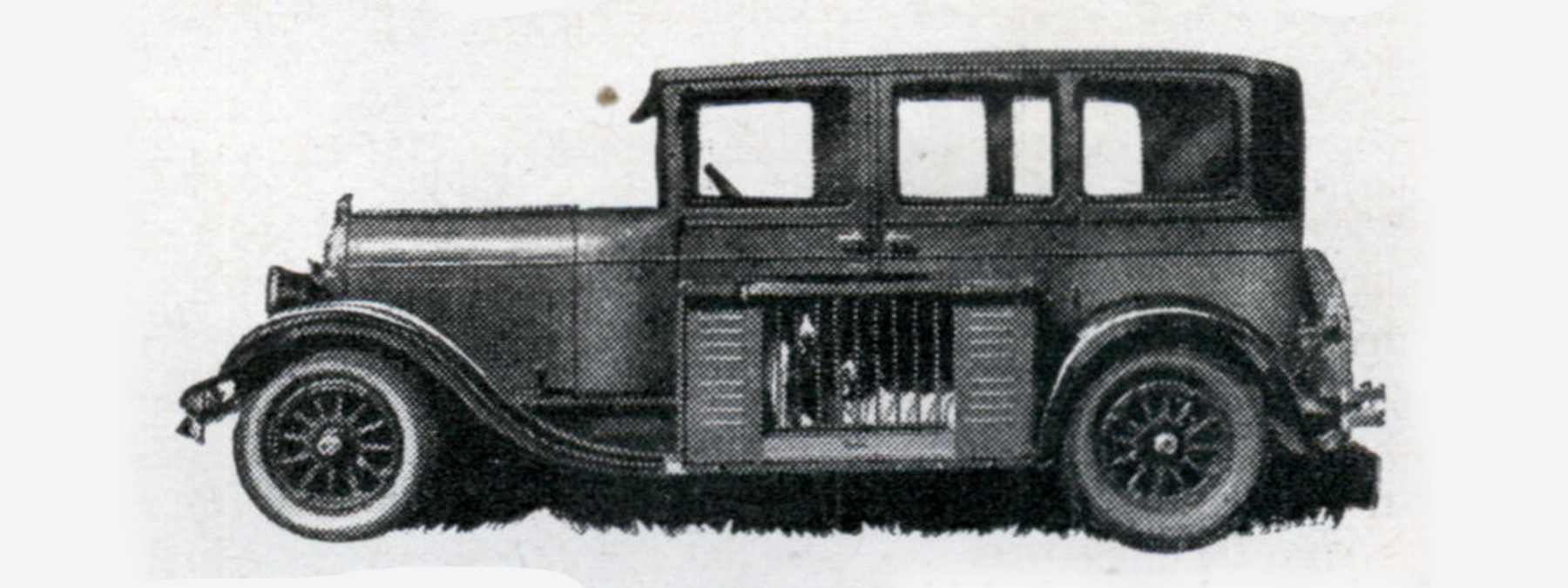
Originally designed in 1932 for the tiny one or two seated automobiles that were around at the time, was an invention called the Bird-dog’s Palace. A solid sheet steel cage was fixed to the running board on the side of the car to easily transport dogs. Predictably, this highly unsafe mode of transport was deemed unusable and people began taking their dogs inside their cars instead. This was, however, safer than the Dog-Sack, which was literally a sack fixed to the car window, with a hole for the dog to pop its head through.

Source: Modern Mechanix

Solar panel sunroof

If you’ve ever touched the roof of a car on a hot day, you will know that it generates substantial heat. This has led to the idea of creating solar energy using the sunroof as a solar panel. The electricity would then be used to power ventilation fans inside the car. Car companies have tried to prove this concept and get it past prototype stage, but its downfall so far has been that the fans fail to reduce the interior temperature of the car sufficiently. Plus, there are other, more established, ways of generating power inside the vehicle engine.

How to Stay Safe on Unsealed Roads or Beaches

Around 38 percent of New Zealand’s roads are unsealed, so it’s highly likely you will find yourself behind the wheel on one of our country’s rougher roads at some point. Plus, being a nation surrounded by ocean also gives us the luxury of being able to drive on many of our beautiful beaches.

It’s important to recognise that driving on unsealed roads and beaches requires a different approach to sealed roads. Here are a few tips to keep in mind, so you can take to our unsealed road and beaches confidently.

1. Know your vehicle

Understanding how your vehicle is powered will help you control your driving better where the road surface is unstable and unforgiving at times. For example, bear in mind where your car’s power comes from. A rear wheel drive car will perform differently to a vehicle with front or four wheel drive.

Remember too that your driving habits must adjust to fit the conditions on unsealed roads and on beaches – much like they would in wet weather. Drive NZ says you should increase your following distance on unsealed roads, as other vehicles can throw up dust, making it more difficult to see. Also, take into account the usual stopping distance of your vehicle and apply this when taking to unsealed roads.

In particular, ensure that you brake gradually, letting your vehicle stop in good time. Avoid panic braking at all costs as this won’t end well on an unsealed road surface.

2. Drive to the road conditions

Steep drops and roadside banks are commonplace on unsealed roads. These risk factors, along with unstable road surfaces, can create a dangerous combination. Exercising caution and showing appropriate driving etiquette suitable for the conditions will help you and other road users share the road safely.

According to the MTA, one of the most effective ways to drive safely to the conditions is to keep your speed down to between 40 and 50kmh. This is especially valid when there are oncoming cars, or you can see an oncoming dust cloud in the distance. Keep in mind that even this speed may be too high on narrow or potholed roads.

When approaching corners you should brake on the straight before entering the corner and take the bend as widely and smoothly as possible. Try to avoid braking hard while cornering on an unsealed road, as you may lose traction.

MTA adds that when driving on unsealed roads you should always have your headlights on as a courtesy to others – even during daylight hours. This helps provide additional visibility to other road users.

3. Be alert while beach driving

New Zealand has a number of driveable beaches, many of which are considered public roads, with the usual road rules applying. Before taking your vehicle for a drive on a beach, make sure you check any local council rules that may apply, as these can vary from beach to beach.

Another thing to check when driving on the beach is the tide forecast. Many people have been caught out by an incoming tide and some spots will be impossible to get out of if you misread the forecast.

A good rule for driving on the beach is to stick to the darker sand closer to the water, as this generally signals a firmer surface. However, avoid driving too close to the water or you risk getting stuck in wet sand. Be sure to also watch out for potholes or dips in the sand as they can be deceivingly deep.

You should always be aware of your speed and follow the beach’s speed limit, while also keeping a close eye on the movements of any people or animals. Lastly, when you get home, make sure you rinse your car down, as salt and sand can increase corrosion.

Three DIY Car Maintenance Tips to Save you Money

Vehicle maintenance expenses can quickly add up to thousands of dollars over the lifespan of your car. However, taking the time to perform a few simple maintenance tasks at home can cut these bills substantially. They are simple enough to be completed by almost anyone, regardless of their mechanical proficiency.

Air filter

Changing your air filter is one of the most simple car maintenance steps you can do at home and it costs next to nothing. Lift up the bonnet of your car and you should find the air filter encased in a rectangular box with metal clips or screws holding it shut. If you can’t find it initially, refer to your vehicle’s owner manual.

Once you’ve found it, open the air filter box, take note which way the filter is facing, then remove it and replace it with your new filter, ensuring it sits the same way as the previous one. This task should be repeated each year, or after every 20,000 kilometers travelled, to reduce emissions, increase fuel efficiency and prolong your engine life.

Windscreen wipers

It’s easy to identify when your car needs some new windscreen wiper blades by simply turning on your wipers and seeing if they clean the glass properly. If your blades leave streaks, it is time to replace them.

You can buy a new pair of windscreen wiper blades from your local automotive shop, where you can choose between standard economy blades and better quality brand name blades. Both will do the job adequately, but consider choosing a brand name wiper as their higher quality components will provide a better clean and last longer.

As there is a wide variety of windscreen wiper blades on the market, you should follow the installation instructions on the packaging of your chosen blades. However, here are a few essential tips to follow:

  • Before removing your old blades have a good look at them and pay attention to how they connect to your wiper arms.
  • Keep a firm hold of the wiper arm once you have removed the old blade as it can whip back and crack your windscreen if you let go of it accidentally.
  • Be careful to not bend your wiper arms when attaching the new blades.

Battery maintenance

Regular battery maintenance is an easy and important DIY step that can make the difference between your car starting perfectly or sputtering to a halt when you turn the ignition. Modern batteries are mostly sealed, so topping up with distilled water is not generally required any longer. However, battery connections and cables will need regular attention.

Be careful when doing battery maintenance, as battery acid is caustic and corrosive and can lead to accidental injuries. Because of this wearing gloves and protective eyewear is advised.

First, lift the bonnet of your car and remove the negative cable from your battery terminal and then remove the positive cable. The negative cable is black and indicated with a minus symbol, while the positive cable is red and indicated with a plus.

Once you’ve removed the terminals you can now clean the battery posts, ideally using a purchased battery cleaning product. You can, however, use home cleaning products or homemade solutions (for example, baking soda and water).

Apply your cleaning solution generously to the battery posts and scrub away any corrosion using a wire brush or another firm brush. After this, rinse off the cleaning solution with a small amount of water and dry the posts with a rag. Finally, re-attach your battery terminals.

Battery issues can literally cause your car to grind to a halt, so check every few months to identify and remove corrosion on your terminals.

How to take care of your car during the COVID-19 lockdown

While New Zealanders are in coronavirus lockdown we’re not using our vehicles nearly as much. However, this raises a few questions and some potential issues that we need to navigate over this period.

What if your vehicle’s WOF or COF expires?

The first point is that you clearly can’t renew your WOF or COF during Alert Level 4, because we’re in isolation. Here is the guidance from NZTA while they work with the Ministry of Transport to formalise regulations:

  • Obtaining a new WoF is not regarded as an essential trip during Alert Level 4.
  • Due to the inability to obtain a new WOF at this time all expired WOFs will be deemed current.
  • Any person driving a private vehicle during Alert Level 4 with an expired WOF has a responsibility to ensure their vehicle is safe to operate.
  • Maintenance and repairs can be provided to ensure that a private vehicle remains safe and operational when used for essential purposes.

What about insurance cover if your WOF is expired?

According to the NZ Herald, the Insurance Council chief executive Tim Grafton has reassured drivers that insurance companies will still cover you for a crash if your warrant of fitness runs out during the lockdown period, as long as your vehicle doesn’t have an existing safety issue.

“If your WOF is due while we are in alert level four don’t worry – your car insurance will still be in place as long as there isn’t an existing safety issue that would mean you might not get a WOF – such as tyres needing to be replaced,” he said.

There is no clarity yet whether people would still be ticketed for having expired WOFs during the level 4 quarantine. A police spokeswoman simply said police would continue their work as usual but had ‘discretion’ over whether to ticket someone.

Car care during hibernation

Here are some handy tips to keep your vehicle in the best condition during the lockdown:

  1. Park your car under cover. If you don’t have covered parking, keep your car under wraps if you can. If you don’t have a car cover, consider using a tarpaulin. This will protect it from bird droppings or leaves that might damage your paint.
  2. Leave the interior clean. Don’t leave food or other kinds of rubbish in your car that might spoil, leave a bad smell, or attract rodents.
  3. Disconnect your car battery. Most modern cars should be fine standing idle for 3-4 weeks, but consider disconnecting your battery if you think you won’t be using your car for longer than this.
  4. Start your car and let it run periodically. If you leave your battery connected during the lockdown period, make sure you start your car every few days and give it a short run to keep your battery charged and your engine lubricated.

Vehicle security

If you don’t have covered, or onsite parking, here are some handy tips to help you secure your vehicle while you’re not using it and there is less foot traffic in your neighbourhood.

  1. Lock your car. This may sound obvious, but if you have remote locking, for example, it can be quite easy to miss. Make sure your windows and sunroof are locked too.
  2. Set your alarm. New Zealand is relatively crime-free, so it’s easy to get in the habit of not using your car alarm. With our cars being parked for longer during the lockdown, as well as less passing vehicle and foot traffic, this is a prime time for thieves to operate. An alarm is a good deterrent.
  3. Keep your car clear. Keep all valuables out of sight, including your radio, if it’s detachable. You can use your car boot (pull the cover over if you have a hatch), or take them inside.
  4. Park securely. If you have a garage, park your car in it. If it’s full of junk, this is a good time to sort through it to make space for your vehicle. If you park on the street, choose an area that’s well lit and as visible as possible to you and your neighbours.
  5. Use your steering wheel lock or wheel clamps. These tried and trusted ‘old school’ deterrents used to be at the frontline of vehicle security before sophisticated alarms came along. If you have one stored away, this is a good time to dust it off and put it back into action.

Give your Car a Showroom Shine

Whether you want to clean your car to a shiny showroom standard to entice a potential buyer, or simply for personal pride, you can always do it yourself instead of paying for an expensive carwash or professional car groomer. Many would also agree there’s something fulfilling about putting in some elbow grease to get your car sparking clean.

By following the right steps and using the correct products your vehicle will look like it’s come right off the showroom floor once you’re done.

Step 1: Set a clean foundation

Firstly, giving your car a thorough wash is key to achieving a gleaming finished product. In order to get this step right you must choose an ideal time and place to wash your vehicle.

Early morning or late afternoon tends to be the optimal time to complete your base wash. The sun and temperatures are lower at this time at these times of the day, allowing you to wash away cleaning products before they dry on your car and leave unsightly streaks.

You will need two buckets of water, a brush, cloth or towel, and a sponge, ensuring that all of these are soft and clean. Another essential item is a bottle of quality car wash product, which you can find at your local supermarket. You will need to fill one of your buckets with clean water and the other with water mixed with the cleaning product.

Begin the wash by giving your car a rinse with a hose and wiping it down with a soapy sponge using a top to bottom technique. Make sure you regularly clean off your sponge in the bucket of clean water.

Once you have sponged your whole car exterior, grab your cloth or towel, look over your work and then thoroughly wipe off all the water to get the panels gleaming.

Repeating this process regularly will not only make your car look great, it will also preserve its exterior from the long term damage caused by UV rays, bird droppings and dirt.

Step 2: Pay attention to the details

To achieve a high quality clean you can’t ignore the details; this is why it is important you spend a good amount of time on both your wheels and glass.

All you need for brilliant glass is some automotive glass cleaner and a microfiber cloth. Apply it to your windscreen, windows, and wing mirrors to achieve a polished clean.

Getting your wheels looking good can be a bit more hard work, as they tend to gather built up dirt and brake dust. Take to your wheels with a medium-stiff brush and some automotive cleaner mixed with water to remove any marks and grime. Some marks – such as tar splashes – can be more difficult to remove, so you can use a more heavy duty product, such as a foaming cleaner or solvent, if necessary.

Step 3: Bring on the polish

Now you have a clean foundation you are ready to polish; this is where most of the elbow grease comes in. You will need to use a car polishing product and a soft polishing cloth or an electric polishing tool to apply a shiny finish to your vehicle.

Apply polish to your damp cloth and begin by choosing a section of the car exterior to focus on. Next, you should start to rub the polish in using a circular motion, applying greater pressure in areas that are scratched.

This can be a slow process if you’re polishing by hand, but it is important to work on one small section at a time. Use plenty of polish while making sure your cloth doesn’t dry out. Ensure you have completely rubbed the polish into each section before moving on to the next so you don’t allow any polish to dry on your car. Once you’ve polished the whole exterior repeat the washing process in the first step.

Step 4: Wax for protection and shine

After washing your car post-polish, allow the vehicle to dry completely before applying a coating of wax.

Once your vehicle is dry, begin to apply the wax evenly over the exterior panels in a gentle back and forth motion, moving from one section to another when each is finished. Your chosen car wax may come with an application cloth but if not refer to the specific cleaning instructions for the product.

When you have applied a thin layer of wax, leave it to dry following the instructions of your wax product. Once it has dried, grab a microfiber cloth to buff away the layer of wax.

The wax application provides a protective layer from harmful UV rays and anything which may fall on your car’s paintwork. It also maintains a glossy professional finish that wouldn’t look out of place in a car dealership!

Tech to Reduce Driving Distractions

Given our busy lives, there seems to be a constant temptation to tackle multiple tasks at once. However, when you’re behind the wheel you should certainly be focused solely on the road. Unfortunately, statistics show this rule is rarely followed, with the NZTA stating that in 2018 alone distraction was a factor in 1,123 crashes, 12 of which were fatal.

Attempts to address this growing problem with legislation and advertising campaigns have proven to be largely ineffective in changing driver behaviour. However, the emergence of distraction reduction technology is a promising modern solution that may have the potential to change the way we approach driving.

Here are three technologies that could help reduce the risk of distraction on your journeys.

1. Do not disturb driving applications

The pressure to constantly stay in touch with our loved ones and colleagues in today’s connected world is one of the most common and fatal distractions for drivers on our roads. In an effort to address this issue, software developers have produced a number of applications that offer the ability to block incoming calls and notifications when a vehicle is in motion.

Some apps – such as Drivesafe.ly and Drivemode – are able to read text messages aloud to the driver. Others, like the popular driving mode on Apple’s iOS 11, send automatic text replies stating that the phone’s owner is driving and unable to reply.

One app that promises to reduce distracting behaviour in youth drivers is DriveSafe Mode. This app gives parents the ability to track their child’s phone usage while driving. Parents can even sync their phones with their child’s to receive notifications whenever they open a mobile app while driving.

These are just a few of the applications which offer similar distraction reduction capabilities, with a variety of options available on Android, IOS, and other mobile devices.

2. Vehicle sensor technology

In a perfect world, we would all be able to stay completely focused throughout our time at the wheel. However, human error dictates that occasional lapses in concentration are inevitable. For this reason, manufacturers have started incorporating high-tech safety sensors in modern vehicles. These features are able to correct driving in a number of potentially dangerous situations.

Forward-Collision Warning (FCW) technology uses inbuilt sensors to give drivers a visual or audible warning of an impending collision. This warning gives drivers an invaluable prompt if they have a temporary lapse in concentration. Consumer Reports says that FCW is associated with a 27% reduction in rear-end crashes for vehicles that have this feature.

Other potentially life-saving sensor features in moments of distraction include Lane Departure Warning (LDW) and Adaptive Lighting technology. LDW is a system that warns drivers when their vehicle is crossing lane markings without using their turning signal, while adaptive lighting is a night driving feature that senses oncoming cars and turns your vehicle’s headlights onto low beam automatically. This reduces the visual distraction of bright high beam headlights.

3. Automatic emergency braking technology

Automatic Emergency Braking (AEB) is a system that senses potential vehicle collisions and applies the brakes if the driver is too slow to react. This can provide life-saving seconds to prevent a crash or at least minimise the damage and risk of injury. The effectiveness of this system is highlighted by the fact that the Australasian New Car Assessment Programme (ANCAP) will not give a car a five-star safety rating unless it includes an AEB system.

Newer AEB technology is able to sense pedestrians and automatically apply emergency braking when a collision is imminent. This technology generally uses forward-facing cameras and radar sensors to identify pedestrian hazards.

The ability to automatically sense pedestrians and adjust speed accordingly is especially important today, as it is not only drivers who are easily distracted but also pedestrians focused on their phones.

Restraints and Car Safety for Children

Traveling in cars is a regular part of life for most New Zealanders. Road trips, simply getting from point A to B, or exciting holidays are just some of the reasons we drive. However, in 2019, 353 people died on New Zealand roads. This is a sobering fact and one we should always be aware of, whenever we drive with our families in the car.

Car crashes are naturally not planned, but these accidents can devastate a family. Lives can – and regularly are – saved by wearing seatbelts and it should be ingrained into us to wear our seatbelts correctly. As effective as they are, however, seatbelts are not designed for children and can actually cause harm to a child if used incorrectly.

Safety guidelines prevent injury or fatalities

The chance of injury or fatality happening to a child passenger in your car can be minimised by following a few safety guidelines for child restraints and car seat safety for kids.

There is a specific way to protect children who are being transported in a vehicle; this is in the form of a car seat or child restraint. According to the NZ Transport Agency (NZTA) under New Zealand law, all children aged seven years or younger must use an approved child restraint that is appropriate for their age and size. International best practice recommends the use of a booster seat or appropriate child restraint until a child is 148cm tall or 11 years old.

Approved child restraints

There are four kinds of approved child restraints for each age of childhood, as advised by the Ministry of Transport.

  • The first type is infant restraints for young babies, which are called baby capsules. These are readily available from most baby stores and they simply click in and out of their base, which is installed in the car.
  • The second type is restraints for older babies, toddlers and preschool children, which are called car seats. Car seats should all come with a manual to show you how to install the seat correctly.
  • The third type is booster seats, specifically for preschool and school-aged children. Booster seats are designed to raise the child up so that the vehicle’s seat belt will fit correctly on the child.
  • The last type is child safety harnesses for preschool and school-aged children, which can be used with or without a booster seat. Harnesses provide more comfort and safety than a single diagonal seat belt. Just like car seats, it is imperative that child safety harnesses are installed correctly.

By understanding car travel safety for children in your care, you’re making the best and wisest decision for you and your child passengers. Responsible driving, as well as looking out for others’ safety before you drive, ensures you can enjoy your travels without worry.

Some of the most exciting and fun times happen in cars while driving to a destination. Ensure your family stays safe by taking the appropriate measures and installing appropriate car seat protection for the ones you love.

Requirements for child restraints

  • Until their 7th birthday – Correctly secure your child in an approved child restraint
  • From their 7th to their 8th birthday – Correctly secure your child in an approved child restraint if one is available in the vehicle (and if not, in any child restraint or safety belt that is available)
  • From 8th birthday to 14 years old – Must use safety belts if available. If not available, they must travel in the back seat.
  • Over 14 years old – Must use safety belts where they are available.

Why Choose Aftermarket VS Genuine Parts?

During the life of your car, it is likely you will be forced to replace some of its parts, or you may choose to voluntarily upgrade some components. When the need for new parts arises it pays to weigh up whether to buy Original Equipment Manufacturer (OEM) parts or aftermarket parts. Taking the time to do some research on your options will help you feel more confident in your choices and may even save you some money.

The key difference between OEM parts and aftermarket parts is that OEM exactly replicates the original parts that came with your vehicle from the manufacturer. In comparison, aftermarket parts are designed similarly to OEM components, but they differ mainly in quality, price and other details.

Deciding to replace your parts with OEM equivalents is usually the safest bet when it comes down to risk versus reward. The quality guarantee you receive when buying parts from your car manufacturer gives you peace of mind, knowing that your new part will function just as the original did. Also, buying OEM often comes with the added bonus of the warranty offered by most automakers and dealerships.

One disadvantage of aftermarket parts is that they often don’t come with a warranty, especially if you are dealing with cheap parts, as the absence of a warranty helps vendors to keep their prices low. Due to this, you should be cautious when purchasing aftermarket parts if you are hoping to have a warranty to fall back on.

A key difference between OEM and aftermarket parts is the huge variety offered in the aftermarket range. This is because there are a large number of third party manufacturers that make and sell adaptations and variations of parts, whereas OEM manufacturers tend to vary much less in their offerings. This, in turn, gives you a wider selection and more competitive pricing. However, this wide range can be overwhelming, especially if you’re not familiar with aftermarket brands.

Despite poorer quality often being mentioned as a downside of aftermarket parts, that’s not always the case. If you’re not confident making the call yourself, it can pay to ask your mechanic or a knowledgeable friend to recommend trustworthy brands. An online search will often reveal ratings and reviews too, but it may take some digging to uncover them.

The availability of aftermarket parts is also convenient for consumers, as your local auto parts store will more than likely stock the aftermarket variation of the part you are looking for, rather than the OEM version. If you wish to buy OEM you may have to go through the dealership itself and these parts may even have to be ordered in, which can take weeks and end up costing you more.

Your choice between OEM and aftermarket parts is dependent on what is best for you and your car. If you are willing to ask around and do some research you can often get a good deal, but keep in mind that aftermarket parts are not always quality-guaranteed like their OEM equivalents.

How to Check a Used Car’s History

Buying a car is an expensive decision that can have long-lasting implications. To save money, many people choose to forgo a brand new car from a dealership and instead choose to buy a used vehicle.

This can be a great choice if the car proves to be a worthwhile buy. If, however, it turns out to be a ‘lemon’, it can be a costly mistake. Checking a car’s history can help you avoid common pitfalls when buying a used vehicle. A few common sense tips will help make sure you get the best possible used car for your money.

Do a background check

There is a lot of vehicle information available at various sources in New Zealand. A check can uncover issues such as inconsistent odometer readings, if the car is registered as stolen, or if it still has money owing on it. Bear in mind that if a vehicle is stolen, or has money owning on it, it could be repossessed, so it’s worth doing this as a routine any time you buy a second hand car.

Many second hand cars are sold through the online marketplace, TradeMe, whose listings include a three point background check. This covers if a vehicle is reported as stolen, it’s a damaged import, or if it’s re-registered. However, TradeMe also offers a comprehensive paid report online via MotorWeb, which is available to the general public.

Check the car for tell-tale signs

Besides these information checks, you can conduct some simple checks of your own, simply by looking a little closer at the car itself. Clues about a used car’s history can often be found under the bonnet and inside the vehicle, which give valuable clues.

When consumables like automatic transmission fluid or coolant, or a major item like a cambelt, have been replaced, mechanics will often apply labels to the vehicle. If you spot any of these labels, service stickers on the windscreen, or a service book in the glove compartment, this will give you clues on when work was last done on the vehicle and help you ask educated questions about the car’s history.

Most of the time, sellers will be honest about the vehicle’s history, although they won’t necessarily have all the information about what happened to it before they bought it.

If you see that the car has a tow bar, take a closer look at the underbody of the vehicle. If the owner is unsure about how or where it may have been used, a close look at the belly of the car may give some clues. If it was used to launch a boat, for example, it may have been in water without being cleaned off properly after, which majorly increases the chances of underbody rust issues.

Salt water is not the only thing that can damage a car; letting a car be exposed to the elements for a long time can result in corrosion of the vehicle and its parts. Further along, the car will likely need expensive repair work.

Another check you can do to work out a used car’s history is to sit in the car and then drive it, looking and listening for signs. If the engine is running well, there will be no unusual sounds coming from the engine. Knocks or squeaks mean something could be loose or damaged.

While you are looking at the car, examine its seats and mats and try and identify stains, crumbs, sand, and bad odours. As well as providing clues about the car’s history, you will be able to gauge if it needs extensive cleaning to get rid of dirt and smell, which is an extra cost on top of the car’s purchase price.

By getting a professional standard check done and examining a used car’s upholstery and exterior yourself, you can add some weight to your final decision. This way, you know more of what you’re getting yourself into when you purchase a used car.

4 Apps to Improve Your Driving Experience

As digital technology continues to advance, app designers and programmers are constantly creating ways to make our lives easier, in almost every way imaginable. As we spend a lot of time in our cars every day, a wide range of driving-focused mobile apps have made their way onto the market to help our journeys pass without a hitch. Here are some of the most helpful apps available to drivers and how their capabilities can help your in-car experience:

1. Smart Dash Cam

Dash cams have been steadily growing in popularity with motorists over the years, as its capabilities have proven to be beneficial to driving in a number of ways, including as evidence in a crash, and helping improve road safety. However, dash cams can be expensive and not all drivers have the money to buy one.

Smart Dash Cam is a free app available on both IOS and Android devices. It uses your phone camera in the same way as a dash cam does. You can adjust the app’s settings to choose how long you would like the recorded loops to last, which is helpful when you wish to conserve memory space on your device.

A handy feature even enables you to use your phone’s other capabilities while the app is operating in the background.

Download for iOS and Android.

2. Google Maps and Apple Maps

This pair are definitely two of the most commonly used driving apps and their functionality cannot be understated. With Google Maps and Apple Maps automatically installed on Android and Apple mobile devices respectively, at least one of these two apps are at the fingertips of a large portion of the population.

Both offer clean and accurate mapping, helpful directions, and journey length estimations with options for all different kinds of transport. The voice navigation capability is very helpful and removes the need to look at the maps on your mobile device, which is of course not good for road safety.

Bear in mind that it is essential to be connected to the internet via data or Wi-Fi to use the app. However, if you’re heading somewhere you think may not have connectivity, you can download maps in advance so you don’t get caught out.

Download Google Maps and Apple Maps.

3. Gaspy

If you’ve ever filled your tank up at a service station and ended up regretting your choice when you spot cheaper fuel prices further up the road, then this app is for you. Gaspy provides a crowd-sourced map of local fuel prices, which aim to help motorists find the cheapest fuel in town.

Gaspy is available on both Android and IOS devices and offers a competitive element to finding the cheapest fuel. Within the app you can earn Gaspy coins by logging your fuel prices. You’re also helping your fellow travellers!

Download for iOS and Android.

4. Parkopedia

This handy app provides users with the location, pricing, and availability of car parks in the closest proximity to your chosen destination, minimising the need to drive around looking for a park.

With the added capability of pre-booking a car park in advance, this app takes away one of the most stressful aspects of travelling. If you live in, or commute into, a busy city this is a game-changing app that can help you avoid wasting time that lets you to get to your appointments on time.

Parkopedia is available for free on both IOS and Android Devices and operates in 89 countries, so you can even put the app to use on your overseas holidays.

Download for iOS and Android.

Private sale or trade in. What’s best?

If you’re wanting to sell your car and buy a new one, your most likely choices are advertising it for private sale or trading it in with a car dealer. Both of these options have their advantages and disadvantages. A few simple tips will, however, help you avoid unnecessary stress and maximise your sale price.

If you decide to sell your car on your own, it’s important to be aware of its key details. Preparing a brief spiel about your car’s history, including its maintenance record and perhaps your favourite things about your vehicle, will boost your chances of a quick and easy sale.

You should be prepared to answer any questions from potential buyers, as this will reassure them and help smooth over any doubts.

Put effort into a private sale to maximise price

When selling your vehicle through a private sale, it is essential to make your car look as good as you can for potential buyers. A picture is worth a thousand words, the saying goes, so put the effort in to make your car shine to increase its valuation. You can find some good instructions in our article here.

When selling privately, you will need to exercise caution and good judgement when dealing with interested buyers. They will no doubt want to take your car for a test drive, so make sure you get their contact details and identification before they drive off, in case anything goes wrong.

You will also need to make sure your vehicle insurance policy covers potential buyers. Give your insurer a call if you’re not sure.

Some people find it a nuisance to go through these steps to sell privately. They are either just too busy, or couldn’t be bothered listing their car, taking photos and having to deal with enquiries. If this sounds like you, a trade in could be a much more straightforward option.

Trade ins less hassle, but could hit your pocket

Trading your vehicle in with a car dealer will give you a simpler and more seamless selling experience. The downside, however, is that you will almost certainly make less money on the sale. As car dealerships are commercial operations and need to maximise their profit, they will usually offer you around 10-20% less than the market value of your vehicle.

To make sure you’re getting an accurate valuation from a car dealership, Consumer New Zealand recommends paying for a vehicle valuation from Redbook. This costs $20 and gives you both trade in and private sale valuations, so you can head into any private sale or trade in negotiations with confidence. It will be money well spent!

Interestingly, though, by trading your vehicle in on a deal for a new car, you actually save money on GST. The value of your trade in is taken off the price of your new car to create a final price, which is then subject to GST. This reduces the total amount you end up paying on tax.

A private sale and trade in each have their own pros and cons, which should be considered before deciding on your final approach. It’s important to assess the time and effort involved in selling privately versus a potentially lower price if you trade in.