Safe driving on New Zealand’s dangerous roads

New Zealand is a great place for scenic road trips, but it’s also home to some of the most dangerous roads. Prepare for your trip in advance.

New Zealand is known as a great driving destination, with vibrant cities and towns, rugged countryside with stunning places to visit, and plenty to do. It’s the perfect road trip destination, however, it also has some of the most dangerous roads in the world.

Outdated design, narrow roads and poor surfaces all contribute to New Zealand’s treacherous highways. Police figures show that as of July 2022, 185 people were killed on New Zealand roads, compared with 170 at the same time the year before. It’s a confronting statistic that proves just how dangerous our roads are and that we should be careful when driving on them.

While slips and adverse conditions can’t be avoided, you can take steps to prepare for them. Here are our tips on how to prepare for a drive on New Zealand’s most dangerous roads and how to reduce the risk of an accident:

  1. Make sure your vehicle is roadworthy

You shouldn’t be driving your vehicle if it isn’t roadworthy. This is especially true if you’re planning a road trip that requires driving along dangerous roads. Be sure to check the following:

  • Tyres

Driving on dangerous roads means there’s a chance you’ll need to brake suddenly, or swerve. Tyre tread helps vehicles to corner tighter, accelerate more smoothly, and brake reliably. Ensure your tyre treads are not running low and that your tyres are inflated to the correct pressure before heading off on your road trip.

  • Brakes

Unfortunately, most people only worry about their brakes when an issue is picked up during a service or a Warrant of Fitness (WoF). However, it’s important to be proactive about your car’s brake condition, especially when driving along a dangerous road. Pay attention to your brakes and if they’re making unusual noises or if it’s taking you longer than usual to come to a complete stop, take your car to a mechanic to get your brakes checked.

  1. Watch your speed

Always pay attention to the posted speed limit and watch your speed as you’re driving. New Zealand has narrow, hilly, and winding roads and you may find you need to reduce your speed even more due to the road, weather, or traffic conditions.

  1. Be cautious on gravel roads

You may come across unsealed roads on your trip. If you do need to drive on one, remember they can be quite narrow and often don’t have a shoulder. Reduce your speed and slow down even further when approaching bends, corners, or oncoming traffic. If you’re driving too fast, it can create clouds of dust, which can obscure your (and other drivers’) vision, and loose stones being flung up from the gravel can chip other drivers’ windscreens.

  1. Have a spare phone or portable charger

No matter how prepared you are, accidents can and do still happen. And when they do, it’s important to be able to call for help. We use our phones for almost everything these days, so our everyday battery usage is high. Make sure you have a spare phone or portable charger with you, so you don’t find yourself stuck with a dead phone and no means of calling for help.

  1. Know your dangerous roads

Finally, you should be aware of the most dangerous roads in New Zealand and drive accordingly. This will help you identify, plan, and prepare for the journey ahead. According to the Automobile Association (AA), these are New Zealand’s traditionally most dangerous highways (ordered from north to south):

  • SH1 – Whangarei to Marsden Point
  • SH1 – Warkworth to Twin Tunnels
  • SH 1 – Auckland to Takanini
  • SH22 – Drury to Pukekohe
  • SH2 – Tauranga to Katikati
  • SH1 – Cambridge to Piarere
  • SH1 – Otaki to Levin
  • SH58 – Hutt Valley to Porirua
  • SH71 – Kaiapoi to Rangiora

Other dangerous roads to be aware of include:

Remutaka Hill. This route is part of SH2 and connects Wellington to the Wairarapa. This road section covers around 30km and is prone to slips, strong gales, and rain and experiences frequent road closures.

Skipper’s Canyon Road. This road is around 17km in length and is found several kilometres north of Queenstown. It has been listed as New Zealand’s most dangerous road according to an Australian survey. It’s an unpaved road, carved by miners over 140 years ago, and is a very narrow cut in the middle of a sheer cliff face. The road is mostly one-way, with no opportunity to turn around for about 6km. It’s so dangerous that some insurance companies won’t cover rental cars on this road.

Crown Range Road. Although fully sealed, this is the highest altitude main road in New Zealand, reaching 1,121m above sea level. This road features hairpin bends and steep drops and, if you’re driving along it in winter, expect it to be covered in snow and ice.

Desert Road. This is one of the most spectacular stretches of State Highway 1 and it is also one of the most dangerous due to unpredictable and rapid weather changes. The road is frequently closed during winter because of the snow.

Are you insured?

We can’t predict when breakdowns happen, but we can be prepared for them. Before heading for a road trip, check your cover. Protect your car with Autolife’s Mechanical Repair Insurance, which covers mechanical faults and repairs like steering problems, engine repairs, battery replacements or auto-electrical issues. You’ll also have access to 24-hour roadside assistance and free WOF inspection.

Find out more about Autolife’s Mechanical Repair Insurance.
Also Read:

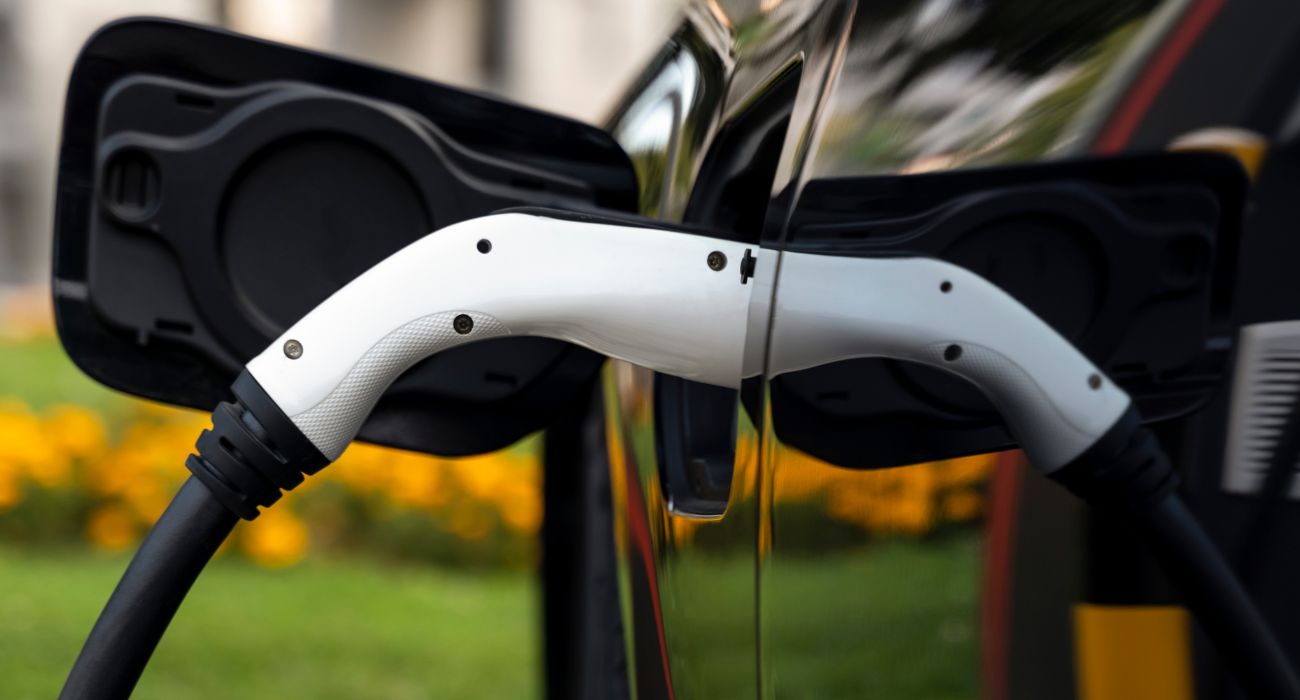
How to charge an EV faster

One of the biggest gripes of owning an EV is the time taken to charge the battery. Here are some tips on how to improve your EV’s charging speed.

One of the common frustrations that come with owning an electric vehicle (EV) is how long it can take to charge. Depending on the make and model of the vehicle and the charger you’re using, it can take up to 12 hours for a full charge. And, if you need a quick charge during the day, it can take up to 40 minutes at a charging station.

But, while charging your EV may be less convenient than filling an internal combustion engine (ICE) vehicle at a petrol station, EVs are better for the environment and ultimately cost less to maintain.

The good news is there are some tips you can adopt to make EV charging faster and more convenient.

Types of EV chargers

According to Genless, there are three places to charge your electric vehicle – at home, at work, and on the road.

At home

Charging at home is the cheapest and easiest option. You just need off-street parking and access to a 3-pin power socket or a dedicated charging unit. A dedicated wall-mounted charging unit makes your charging simple, safe, and efficient and many have smart features, while a back up portable 3-pin cable charger can be used when other charging options aren’t available. They are slower charging, however.

At work

If your work vehicles are parked on your business premises, charging them overnight is the cheapest and easiest option and the charging units are cheaper than fast chargers too.

On the road

How to charge an EV faster

The public charging network is growing all the time and if chargers are on or near the routes you regularly travel or your business premises, you can use these as your main charging option.

Public chargers offer two options:

  • Fast chargers, which are chargers along main routes. These can add around 100km of range to your battery in 20-30 minutes. They cost around $12.15 per 100km but plug-in hybrid EVs can’t use them.
  • Slow chargers, which you can find at places like shops, hotels, and tourist attractions. You’ll need to bring your own supply lead and you can top up while you do other things. Charging is often free but can take several hours.

Do you need to fully charge your EV?

It’s recommended to keep your EV battery in a ‘state of charge’. This means avoiding keeping it either empty or full. Instead, change the settings on your car or car charger to limit the charge to around 80% and keep it above 20% if you can.

Most daily or weekly driving is easily covered by the range of most EVs. Most of us don’t even need it fully charged, so try to keep it between 20% and 80%, except for longer trips.

Charging your EV faster

The fastest way to charge your EV faster is to visit a public charging station that offers fast chargers. These can offer 10 to 30 times the charging speed of slow chargers, depending on your vehicle.

Other ways to improve the charging speeds of your EV include:

Upgrading your EV charger

If you’re using a domestic 3-pin cable charger, it can take from 8 to 12 hours to fully charge your EV. Upgrading to a dedicated charging unit at home or work can speed up the charge time by 3 to 5 times faster. It also doesn’t require any unreasonable demand for power from your existing electrical infrastructure.

Charging when it’s warmer

You could experience an increase in the time it takes to charge your EV when temperatures are low. This is because colder temperatures impact the electrochemical reactions within the battery. Research has found that charging in cold temperatures can take roughly three times longer when compared with charging in warmer weather using a fast charger.

It’s recommended you charge your vehicle during the day when it’s warmer, for a faster charge. However, you should also consider the charging costs during peak hours during the day when compared with charging at night, when it may be colder during off-peak hours.

Consider the charge rate of your EV’s battery and charger

You should also consider the fact that you can only charge an EV’s battery at the maximum charge rate that your vehicle accepts. For example, an EV with a maximum charge of 7kW will not be able to charge the car faster using a 22kW charger.

Another thing to consider is the charging rate of the charger you’re using. For example, if your vehicle can change at 11kW but you only have access to a 7kW charger then you’ll only be able to charge at 7kW.

Also Read:

Car maintenance tips for summer

Summer can be hard on your car. Here are 8 tips to make sure it stays safe and in good condition in hot conditions.

When the temperatures increase over summer in New Zealand it’s important to look after your vehicle and avoid any potential issues. Some of the most common car-related problems in the warmer months include engine overheating, broken air conditioning, low tyre pressure, weak battery, and fuel leaks.

Here are nine tips on what to check to keep your car cool and in tip-top shape this summer and into autumn.

  1. Tyre air pressure

Car-Maintenance

While you should be checking your tire pressure consistently, it’s even more important to check them during and after the colder months, as well as before a holiday road trip. During the warmer months, aim to check them every two weeks and particularly look out for signs that they are under or over-inflated. This can prevent a flat tyre or a tyre blowout.

Most vehicles recommend a tyre pressure between 2 and 2.4 bar (30 to 35 psi (pounds per square inch). If you’re not sure what the optimal tire pressure number is for your vehicle, refer to your manual, or check inside the driver’s door or fuel cover, as some vehicles have the information there. You should also check the air pressure of your spare tire at the same time.

  1. Air conditioning system

Your vehicle’s air conditioning system extracts the warmth and moisture from the air inside your car and replaces it with air that’s cooler and more comfortable. Most modern units can also help reduce pollen levels, thanks to smart filters.

Bacteria and mould spores can build up as moisture passes through your car’s air conditioning system if it’s not used regularly, which can block the filters. Most systems also lose around 15% of their refrigerant every year, so you should have your vehicle air conditioning serviced every two years to keep it in peak condition. If your air conditioning system hasn’t been checked in the last six months, it’s recommended to get this attended to.

  1. Engine temperature

While engines are designed to run hot, the summer heat accelerates the rate of fluid loss, which can cause oxidation of the car’s battery components. Vehicles use specially designed cooling systems to stay within their preferred operational range, so regularly check cooling agents like coolant levels, hoses, belts, and radiators.

If you can see leaks appearing under your car when it’s stationary, this is a sign that parts like the radiator or transmission, aren’t coping. If this is the case, take your vehicle to your local mechanic to get it checked and serviced.

  1. Other fluids

This includes other fluids such as the engine oil, transmission fluid, power steering fluid, and brake fluid. The hot weather can put heavy demands on all your engine’s components, so be sure to check them to ensure they’re all at recommended levels.

  1. Windscreen wipers

Good visibility is essential for safe driving. Winter can be tough on windshield wipers, particularly if you live in a region of New Zealand that experiences extreme cold and snow, so it’s likely they’ve worked overtime during the colder months.

In summer, the sun’s rays on the horizon can make it difficult to look east in the morning and west in the evening. If your wipers are leaving visible streaks or are taking several passes to clear away light rain, you should replace them. When replacing a wiper blade, it’s recommended to replace the whole blade and not just the rubber component.

  1. Oil and oil filter

This is especially important if it’s been a while since your vehicle has had an oil change, as intense weather conditions of any kind can place extra demands on your car’s oil and oil filter. The oil works to keep the engine parts lubricated, while the filter captures harmful debris, dirt, and metal fragments that have made their way into the system.

  1. Wheel alignment

If you feel your car is pulling to one side, or if your steering wheel vibrates or isn’t centred when driving straight, then it’s probably time for a wheel alignment check. Wheel alignment can be thrown out by general wear and tear, as well as run-ins with rough roads, potholes, and curbs. Proper alignment can help extend the life of your tyres, deliver a smoother ride, and even save petrol.

  1. Brakes

Your brakes are the single most important safety feature on your car. Don’t put yourself or your passengers at risk this summer by driving with worn-down or faulty brakes. Stop-and-go traffic, long holiday road trips, and poor weather conditions may have added to the wear and tear on your brakes. So, if your brakes are making shrieking noises, or you find you’re pumping the brake pedal harder, it may be time to get them checked.

  1. Get your car serviced

If you’re about to head on a road trip and you haven’t had your car serviced in the last six months, get it booked in before you go. Your mechanic will check the essential maintenance items we’ve listed above, saving you time, and giving you confidence that your vehicle is safe and in the best possible condition.

Also Read:

Tips for avoiding holiday traffic

Take the time to plan your summer road trip to reduce the chances of arriving at your destination tired, grumpy, and stressed.

Plan your summer road trip in advance and arrive at your destination fresh and ready to enjoy your break.

Many of us are looking forward to getting away over the summer holiday period. Unfortunately, there’s one hurdle we need to get over before the real holiday can start, and that’s the dreaded holiday traffic.

Here are our tips on how you can avoid the holiday jam or keep your cool if you find yourself stuck in one.

Holiday Journey Planner

Planning is vital for a smooth journey. If you can check traffic predictions and road works before you leave, you’ll be better prepared for what’s ahead on your drive.

Waka Kotahi NZ Transport Agency has a handy tool called Holiday Journey Planner, which is an interactive prediction map for holiday periods. It shows you when they expect traffic to be heavy, based on travel patterns from previous years. It also provides live camera feeds of the areas you could be passing through.

As predicted peak times can change because of road incidents, weather, and even driver behaviour, you should check the real-time Journey Planner before you leave, so you’ve got the latest information on road works, traffic, road closures and delays.

Most modern navigation systems – including Google Maps –are also able to detect if there’s traffic on your route and offer detours.

Check the weather

It’s a good idea to keep an eye on the weather forecast for your travel route, as this can affect your journey time. For example, heavy rain can slow things down and, if you’re towing a caravan or boat, or have roof racks or bikes attached to your car, you’ll need to take extra care when driving in strong winds.

If the forecast is for high temperatures and it’s likely you’ll be stuck in traffic, make sure you have enough food and water packed in your car. You’ll be glad for the hydration, especially in hot weather, particularly if you’re traveling with children and pets.

Try and leave early

There’s nothing worse than being caught in peak-time traffic. The earlier you leave, the more likely you’ll be able to avoid congestion. And, if you give yourself extra time for travelling, you’ll feel less stressed and hurried while you’re driving.

It’s worth doing as much packing and preparation the night before your trip, so you don’t find yourself rushing to leave the next day. Make sure you do your car checks, such as oil and water levels, well in advance. You should also make sure that you, and anyone else who will be sharing the driving, get plenty of sleep before the long drive.

What to do if you’re caught in traffic

Sometimes, holiday traffic is unavoidable despite your best efforts to leave early and plan your route. If you find yourself stuck in traffic, the key is to not get frustrated. As the driver, it’s your responsibility to get you and your passengers to your destination safely. When you’re frustrated, this can result in risky driving manoeuvres.

It also pays to make sure you have enough snacks and water packed in the car so you and your passengers are as comfortable as possible while waiting in traffic queues. If you have children in the car, be sure to pack extra entertainment. You could also use this time to play games such as ‘I Spy’ with them.

If you really don’t want to endure being stuck on the road in traffic, you could find the nearest food stop and wait until the peak passes. You can use this time to get some rest, stretch your legs, and get some fresh air.

Also Read,

EV charging for your road trip

Planning a road trip in an electric vehicle (EV)? Here are some tips to help make the journey as smooth as possible.

Planning a road trip in an EV requires some pre-planning. Here are some helpful tips to make your journey as smooth as possible.

Are you planning a road trip in your electric vehicle (EV)? Just like with a traditional internal combustion engine (ICE) vehicle, it’s important to do some advance planning and preparation. Here are some tips to help make your journey as smooth as possible:

  1. Pre-departure checks

Before you set off on your long-distance journey in an EV, here are some key things you need to check:

  • How far your EV can travel and what type of charger it is compatible with.
  • Plan your journey to include stops with chargers en route.
  • Consider that some chargers might not be available immediately, so factor in some extra time to complete your journey.
  1. Identify charging stations along the way

There are thousands of electric vehicle charging stations across New Zealand. You can usually find them in public areas such as supermarket car parks, shopping malls, campgrounds, and even beaches. Major petrol companies, such as BP, have also installed EV chargers at most of their sites, so finding somewhere to charge your EV is easier than ever.

Here are some handy websites to help you plan your charging station stops on your journey:

ChargeNet

Waka Kotahi NZ Transport Agency

BP

  1. Research how much it costs to use a public EV rapid charger

Cost to use public EV rapid chargers vary across New Zealand. Standard chargers are usually free to use, but these can take several hours to get a full charge. Bear in mind too that there might be other drivers waiting to use the charger.

Most rapid charging stations cost about $10 per 100km and the charge time to get to 80% from ‘empty’ is around 20 to 30 minutes, depending on your vehicle.

  1. Payment methods for charging an EV

Payment methods vary, depending on the provider of the public charger, but there are two main ways to pay for charging your EV.

  • Debit or credit card. Most public EV charging stations allow drivers to pay wirelessly, similar to how you’d pay for petrol at a self-serve station.
  • Some public EV charging stations require you to download an app so you can pay with a registered account.
  1. What to expect at charging stations

Availability

When planning which rapid charging locations to stop at during your road trip, you should also consider how likely it is that they will be available immediately you arrive. Some rapid chargers show their live status online, but this can change while you’re driving to the site.

To maximise the chances of having a charger available when you arrive, try and identify sites with numerous chargers, as some sites will only have one or two. If you need a charger urgently, consider that you might need to wait, so be sure to factor in extra time when planning your journey.

  1. Charging speed and wait time

How fast your car charges depends on how much power a charger offers and how much power your car can accept. Different cars’ rapid charging profiles vary, but in general they charge the quickest between 20% and 80%. Getting a full charge can take a long time, so it might be worth charging up to 80% and planning your next stop rather than waiting for a full charge.

Final tips

Long journeys in an EV are similar to long journeys in an ICE vehicle, so the following tips also apply:

  • Take regular breaks. You’ll soon find how well these fit in with en-route charging!
  • Stop and take a break when you’re tired. If you can, share the driving.
  • Pack plenty of snacks and water. They’ll come in handy, especially if you’re stuck in holiday traffic.
  • Stick to the road rules. It’s always better to get to your final destination late than to not get there at all.
  • Stay calm and remember that the traffic situation doesn’t improve no matter how angry you get!

Also Read,

Guide to child car seats

By law, children under the age of 7 should be placed in a car seat. This guide explains what you should know about different types of child car seats.

Guide to child car seats

New Zealand law requires children under the age of seven to be in a car seat, so they are safely secured. However, it must also be the appropriate car seat for their age, size, and development. If you can’t put a child in an approved car seat, they can’t travel in the vehicle.

We’ve put together a guide on the different types of car seats to suit children at different stages of development to help you understand what’s required before travelling with a child.

  1. Capsules

car seat while travelling

Capsules are small and convenient and come with a carrying handle. It’s typically the first seat a newborn will use and many capsules are safe to use up to 13kg. You can find capsules that also clip onto stroller wheels or come with a detachable base that remains secured in the vehicle. This is convenient because you can move your little one to and from your vehicle without disturbing them if they’re asleep. Capsules should always be placed in the back seat.

Children are safer in the car when they’re rear-facing. Infants and toddlers are more at risk of head and spinal cord injuries in an accident because they have an immature spine, neck, head, and pelvis. In most crash situations, the shell of the car seat supports and cushions the baby’s body and keeps its spine straight.

It’s a good idea to use a rear-facing convertible car seat once your child has outgrown an infant capsule. All child restraints (capsules, convertibles, and booster seats) have limits that a child must fit within to be able to use that seat. A child will outgrow a capsule when they reach the upper limits of the restraint, regardless of their age, and this will change depending on the size and weight of the child. As all babies grow at different rates, a larger baby will reach the upper limits before a smaller baby.

  1. Convertible seats

car seat while travelling

A convertible child seat is often designed to be used for many years, so you get more use from it. This could span infants through to older children and sometimes up to school age.

Convertible seats can be placed in two positions: rear-facing and forward-facing. For infants, you should always opt for rear-facing while, for toddlers, you can place them forward-facing. They also come with adjustable harnesses, headrests, and padding so they can be adapted as your little one grows.

Convertible car seats tend to stay permanently in the vehicle and your baby will need to be placed in and taken out of the car seat. This means you’ll need to wake them up when you move them from the vehicle, which can be frustrating, especially if it’s taken a while to get them to settle.

  1. Other types of forward-facing restraints

Aside from convertible seats, there are other types of forward-facing restraints, such as:

  • Forward-facing only seats
  • Combination booster seats with a built-in harness.

Most front-facing seats sold in New Zealand have upper tether straps and an anchor point in the vehicle to secure them. You should ensure the harness straps sit snugly on your child’s body. Double-check that they’re not twisted and they’re in the correct position on your child’s shoulders. Check and follow your manufacturer’s instructions.

Some restraints come with a chest clip. These clips should sit across the chest at armpit level, not any lower or higher. If your car seat doesn’t come with a chest clip, you don’t need to add one.

  1. Booster seats

car booster seat while travelling

When your child outgrows the manufacturer’s height and weight restrictions of their front-facing seat, it’s time to move them to a booster seat. There are three different types:

  • full back booster seats
  • convertible booster seats (front-facing seats that can be transformed into boosters)
  • half boosters, or booster cushions for big kids.

All these types of seats use the seatbelt as the restraint. Booster seats tend to suit children from 15 to 36 kg (up to about 11 years). It raises the child so the car’s diagonal safety belt fits properly across their shoulder.

The booster seat also has guides that position the lap belt correctly as well as side wings to protect the child’s head from side impact. Some booster seats use an ‘anti-submarining’ strap, which hooks onto the lap belt to stop the child from sliding forwards and underneath the safety belt during a crash.

You should never use a backless booster seat, as it can rotate in a side-impact crash and it offers no protection to the child’s head or torso. In recognition of this, Australian and New Zealand standards no longer certifies backless booster seats.

What happens after the booster seat?

The next step is to move your child to a full adult restraint which can happen legally after seven years of age, although most children need a booster until they are 12. Your child should stay in a booster until they are 148cm tall and can pass the 5-point test:

  1. Your child can sit right back in their seat.
  2. Their legs bend comfortably over the edge of the seat.
  3. The shoulder belt comes over their shoulder, not against their neck.
  4. The lap belt sits low on their thighs, not around the stomach.
  5. Your child can stay seated like this for the whole trip.

Also read:

Drive safely in holiday traffic

More people will be on New Zealand roads during the summer holidays. Here are 8 tips to help you prepare for your trip and keep safe.

Kiwi summer holidays are known for their bumper-to-bumper traffic and increased car accidents. Here are 8 tips to help you prepare and keep safe.

As we head into the warmer months and summer holidays, many more road trips are being planned and taken. This means more cars on the road and a higher risk of accidents. Driving during busy periods, in particular, can be stressful because of increased traffic volumes, road congestion, tiredness, and people driving in unfamiliar environments.

Keep your cool by being courteous, remembering that you’re sharing the road with others, and sharing driving (or taking frequent breaks if you’re the only driver). We’ve put together a handy guide to help make sure your summer road trip is cool, calm, and collected, and to keep you and your vehicle occupants safe.

  1. Plan ahead

Before heading on your journey, plan your route and know what roads you’re going to take. Often, during holiday periods, passing lanes are closed to help reduce congestion and prevent further delays where the traffic merges at the end of lanes. You should prepare to take alternative routes if this is the case. Waka Kotahi NZ Transport Agency has a useful traffic guide, so be sure to check it before heading off on your trip.

You should also map out where you can stop for fuel, food, and bathrooms, as well as safe rest stops along the way. Another important thing to check is the weather information, so you know what conditions you’re going to encounter on the road.

  1. Get plenty of sleep the night before

Being tired on the open road is dangerous, so it’s important to get a good night’s sleep. If you can, leave the following morning instead of later in the day after work – unless you’re planning on having plenty of stops. Try not to drink alcohol or take any intoxicants the night before.

  1. Share the driving

Fatigue-related crashes are more likely to occur if you’re driving alone, so if you’re able to share the drive with someone else, then do so. Make sure all drivers are well rested before you take off and plan a schedule for when you need to stop to switch drivers.

  1. Mind your speed

While you should always stay within the speed limit, it’s especially important to adhere to it during the busy holiday period. This gives you enough time to react to the traffic around you. You should also keep a safe following distance between you and the vehicle in front of you. This will give you a safe stopping distance if they brake suddenly.

  1. Be alert

You should be mindful of what’s happening around you. Be particularly alert for pedestrians, cyclists, and motorcyclists, as these road users have much less protection than you. Keep an eye out especially for cyclists if you’re travelling tourist routes during summer. And, if you’re cycling or motorcycling, make sure you’re visible and wearing proper protective gear.

While most roadworks are paused during busy holiday travel periods, you may still come across them on your drive. Be sure to adjust your speed to the temporary speed limit and be patient.

  1. Take regular breaks

It can be tempting to drive continuously without taking any breaks so you can get to your destination sooner. But this approach isn’t recommended as it can be dangerous. Experts suggest taking a break every two hours or every 200 km. Use the opportunity to grab some food, use the bathroom, have a little nap to rest your eyes, or even just stretch your legs. This will give you a much-needed energy boost until your next stop and helps stop you from becoming too tired, stiff, or achy.

  1. Check your trailers and caravans

Before driving off, you should check all towing attachments and make sure the couplings are secure and compatible. Don’t forget to check the safety chain, trailer lights, tyres, and brakes. Be sure to load heavy objects evenly over all of the axles.

Remember, if you’re towing a trailer, your maximum speed limit on the open road is 90km/h. Keep left and pull over when it’s safe to let other vehicles pass.

  1. Check your car

Repairs can be costly on the road. If your car is due for a service, get it done well before the trip. You should also do the following checks before heading off:

  • Oil levels – top up if it’s below the line.
  • Condition of your window wiper blades.
  • Windscreen washer fluid – top up if needed.
  • Tyre pressure – make sure all your tyres are pumped up.
  • Car lights and indicators – make sure these are working and bulbs don’t need replacing.

Are you insured?

Another thing you shouldn’t pass on is car insurance. Autolife offers Mechanical Repair Insurance that covers mechanical faults and repairs for events like steering problems, engine repairs, battery replacements, or auto-electrical issues. You’ll also have access to 24-hour roadside assistance and a free WOF inspection.

Also Read;

Most costly vehicle repairs

Understanding the most common types of vehicle repairs and what they cost will help you look out for and potentially avoid them.

Over time, your vehicle will need to have repairs done to it. Vehicle repairs are inevitable, as car components wear out and break over time and they’ll need to be fixed or replaced. This is especially true if you have an older vehicle.

Whatever the issue that affects our car, the first question we almost always ask is ‘how much is it going to cost’ – even if it’s just a ballpark. Be mindful though that costs will vary depending on your vehicle’s make and model. To help guide you through some vehicle repair costs, here are some common vehicle repairs and roughly what you can expect.

Fuel pump

As its name suggests, the fuel pump sends fuel from the petrol tank to the engine. When this component stops working, your vehicle won’t be getting any fuel to the engine, which understandably will cause immediate problems. The cost to replace the fuel pump depends on whether it’s an external fuel pump or an in-tank fuel pump. The former will be cheaper, but you’re looking at upwards of $500.

Air conditioning compressor

Your car’s air compressor separates high and low-pressure air to cool down your vehicle and engine and it’s pretty much a must-have as we go into the warmer months. Over time, air conditioners can lose their efficacy, so you need to be mindful that the compressor might need to be replaced.

In terms of cost, you could be looking at between $450 to $1,700, depending on your vehicle’s make and model.

Vehicle’s transmission

If your vehicle has a major transmission problem, it can completely stop your car in its tracks, as the vehicle’s transmission is a key component in moving your vehicle with ease. It’s a complex system of mechanical gears and components that control the flow of power from your vehicle’s engine to the drive shaft.

If your transmission stops working, you may encounter issues such as a burned-out clutch or broken gears inside the transmission box. While these can be repaired, it might make sense sometimes to save on costs and replace them altogether.

Wear and tear occurs especially within your vehicle’s transmission because of the friction and heat generated by the moving parts engaging with each other. Keep an eye out for warning signs such as gears slipping, the feeling that your clutch seems to drag, a burning smell coming from the engine, or a humming sound when you stop your vehicle.

In terms of costs, you’re looking at between $4,000 and $5,000, depending on the severity of the issue.

Car cylinder

A car cylinder is the power unit of the engine and most cars have four, six, or eight of them. This is where fuel is burned and converted into mechanical energy that powers your vehicle. If one or more of your cylinders isn’t working efficiently, your engine may overheat, leak, or misfire. These problems can be detected by smell, smoke, or visible leaks.

If you’ve been neglecting your vehicle or ignoring the warning signs, you may need to get the damaged cylinder/s looked at by a mechanic. A major issue could cost around $1,200 to $3,500 to fix, but the sooner you get it looked at and fixed, the less expensive it’s going to be overall.

Vehicle suspension

You might not think much about your vehicle’s suspension, but it’s a critical component that keeps you and your vehicle comfortable as it bounces over dips and bumps in the road. A vehicle suspension comprises shock absorbers, struts, springs, tie rods, and control arms.

While suspension repairs and replacements are reasonably straightforward to do, they nevertheless require time and expertise. If the suspension parts have been wearing at the same rate, replacing one can upset the balance of the others, which can result in the suspension not performing properly. Most mechanics will advise that you replace the entire suspension system at the same time, which could be costly.

The cost of replacing a suspension system could be anywhere from $3,500, so make sure you check in with your garage if you think something’s not right.

Cambelt

While strictly not a repair, your cambelt (also known as a timing belt) is one of the most important maintenance items in your car. It connects the crankshaft to the camshaft/s, allowing the engine valves to open and close at the correct intervals. Your cambelt doesn’t last forever and failing to replace it according to the manufacturer’s recommendations can result in very expensive engine repairs.

Vehicle engine

No one wants to hear the words ‘major engine damage’ when their vehicle is at the mechanic, but it helps to prepare mentally for the possibility this may happen one day. Without a working engine, your car will not be drivable.

While engines are meant to last the lifetime of the car, they can still wear out. Mechanics will need to remove the entire engine to replace the cylinders if that’s the problem. If it isn’t, they may need to replace the entire engine, which can cost upwards of $7,500 depending on the make and model. Sometimes, it might make better financial sense to trade in your car for a newer vehicle instead.

Are you insured?

Mechanical breakdowns happen when you least expect them to. So, it pays to be prepared. Protect your car and wallet from expensive repair costs with Autolife’s Mechanical Breakdown Insurance. It covers mechanical faults and repairs such as steering problems, engine repairs, battery replacements, or auto-electrical issues. You’ll also have access to 24-hour roadside assistance and a free WOF inspection.

Also read:

Why car windscreens are so important

Windscreens are a vital but under-recognised part of our car’s structure. Read how they protect us and how we can maintain them.

According to safety experts, windscreens are an important safety feature alongside seatbelts and airbags. They are designed to offer maximum protection to the occupants of a vehicle in the unfortunate event of an accident and support airbag inflation, prevent occupant ejection, and keep the roof from caving in.

Windscreens are made of laminated glass, which comprises two sheets of glass with a polyvinyl butyral (PVB) layer in between. This PVB layer prevents the windscreen glass from shattering like regular glass.

Here are five ways your windscreen works to protect you and your vehicle’s occupants:

    1. Provides clear vision

An unobstructed view of the road is important, as it enables you to drive your vehicle safely and minimise the risks of getting into a life-threatening situation.

    2. Protects from the elements

One of the main purposes of a windscreen is to act as a shield, or protective layer, that safeguards passengers and the interior of the vehicle from outside elements like rain, dust, stones, and other road debris.

    3. Maintains structural integrity

Not many people know this, but windscreen glass provides about 40% of the structural strength needed for your car roof. If your vehicle is involved in a rollover, the windscreen acts as a supportive beam and stops the roof from collapsing, preventing the occupants from becoming crushed.

    4. Airbag deployment

Your windscreen is also essential for the proper deployment of the front airbags in your car. It serves as a backstop for the airbags to bounce off and inflate towards the car’s occupants. If the windscreen is damaged, it won’t be able to absorb the airbag’s impact as effectively and work efficiently, which could result in failed airbag deployment. This can of course lead to severe injuries.

    5. UV protection

The interlayer in the laminated glass is effective for blocking harmful UV rays from the sun. This protects your car’s interior from deteriorating and its occupants from potential UV-related skin issues.

Any damage is shown to reduce the integrity of your car’s windscreen. When considering how much your windscreen protects you and the occupants of your car, driving with a chipped or cracked windscreen should be considered less as a nuisance and more as a safety hazard.

5 steps to maintain your vehicle windscreen

Understanding better how windscreens work to protect a vehicle’s occupants, here are some tips to help keep your car’s windscreen in the best possible condition. Like most things, repair is often cheaper than replacement.

    1. Keep your windscreen clean

If there’s glare, reflection, and haziness on your windscreen, this is a clear sign it’s dusty or dirty. Dirt builds up over time, so it’s important to clean the inside and outside of your windscreen thoroughly and regularly.

    2. Attend to windscreen cracks quickly

A chip on your windscreen can affect its structural integrity and, if left untreated, it can spread into a crack in a stress situation like sudden braking, driving over a pothole or speed bump, or being exposed to a rapid and extreme temperature change. Not only is it dangerous to leave a windscreen chip unchecked but, if it’s larger than 25mm (the size of a $2 coin) or it’s in the driver’s line of vision, your vehicle will fail a Warrant of Fitness.

    3. Keep your windscreen wipers clean

Dirty windscreen wipers clearly won’t clean your windscreen. On top of this, it can also scratch the windscreen glass and cause damage.

    4. Change your windscreen wipers

If your windscreen wipers aren’t cleaning your windscreen effectively, you should replace them.

    5. Top up your wiper fluid

Make sure your windscreen wiper fluid is topped up with a good quality windscreen wash. This will help keep your windscreen clean for the clearest visibility possible, rather than simply using water.

Also read:

Should you repair or replace your car?

Dealing with rust on your car

Should you repair or replace your car?

When you’re facing expensive car repairs, it can be hard to know whether it’s time to say goodbye to your trusty vehicle or buy a new one. Here are some tips.

Does it seem like your vehicle is getting crankier and more temperamental by the day? If so, you may be wondering whether it’s worth repairing or replacing your vehicle.

There isn’t a one size fits all response to this common dilemma. It’s a decision you shouldn’t take lightly and there are some key factors you should consider. With the rising price of petrol and the increasing cost of owning and maintaining a car, it’s important to ensure you’ve invested (or are continuing to invest) in the right vehicle.

Let’s weigh the pros and cons of repairing or replacing an older car.

4 reasons to repair an older car

      1. Lower upfront costs

Fixing an older car can be cheaper, especially if it’s well-maintained and running smoothly. Generally, you will spend less money on repairs than buying a new car.

There are, however, some exceptions to this. For example, a failed transmission or a blown motor will likely cost you thousands of dollars and you could buy a second-hand vehicle for the same price.

However, this replacement car might not be reliable and could cost you more in repairs in the long term. It’s also worth considering using the money you would have spent repairing your old car as a deposit on a newer vehicle.

     2. Sentimental attachment and familiarity

You might be attached to your old car and if it’s running smoothly and has been well taken care of, then why not keep it for as long as it keeps going? Besides, you know your car and its features. If it stops being reliable, this might be a sign to replace it.

     3. No depreciation

Buying a brand-new car in New Zealand can cost you a lot in depreciation, as a new car becomes a second-hand vehicle as soon as you drive it away from the dealership. According to Canstar, new cars depreciate by 15% the moment you buy them due to the GST component of its asking price, and then by another 10 to 15% in the first year.

This means a $50,000 brand-new car could be worth just $35,000 after only one year. While the level of depreciation slows as the car gets older (provided you keep maintaining it), it’s a known fact that brand-new cars are hit by the highest levels of depreciation.

     4. Extra costs and the time factor

Shopping for a new or second-hand car can take a lot of time and effort because of the research, viewings, and test driving required. You might also need to spend some money on pre-purchase inspection reports, which is an extra cost you need to factor into your budget.

4 reasons to replace an older car

    1. Safety first

As safety features continue to evolve, it’s almost worth replacing an older car simply for some of the major safety upgrades. For example, a new car might come equipped with automatic emergency braking, blind-spot monitoring, and a reversing camera for better safety. Is there a price you can put on this peace of mind?

    2. Less wasted time

If you’re on a first-name basis with the staff at your local auto repair shop, you may have been spending too much time there recently. Not all car problems get fixed right the first time and this can leave you with more downtime as you take your vehicle back and forth for repairs. This is also a sign that your car is starting to become unreliable.

   3. Cheaper running costs

If you’re upgrading from an internal combustion engine (ICE) to an electric vehicle (EV) or hybrid, this will reduce your day-to-day running costs. You’ll save on petrol and can also take advantage of the free charging stations dotted around the country. EV batteries can also last up to eight years, compared with six years on an ICE vehicle, which is another cost-saving factor to consider.

    4. Repairs cost more than your car’s value

Before you accept a quote for major repairs on your older vehicle, step back and consider how much they’re going to cost you. For example, if you’ve been quoted $3,000 for repairs and your vehicle is only worth $2,000, it might be time to get a new vehicle instead.

Also read:

Why car windscreens are so important

Dealing with rust on your car

Dealing with rust on your car

Vehicle rust can become expensive and potentially dangerous if left untreated. If you notice rust on your car, don’t hesitate before treating it.

New Zealand is an island surrounded by salt water and blown by strong winds, so it’s no surprise that items made of metal will rust relatively quickly here. Motor vehicles are particularly vulnerable and, while you might think rust only affects older cars, newer cars are also susceptible to underbody corrosion, especially if you live in a coastal suburb.

Rust develops when iron reacts with oxygen and water to produce oxidation that appears as a reddish-brown coating. This, in turn, can lead to corrosion. Rust forms in stages and understanding where a rust spot is in its decomposition process can help point you to the right solution. If left untreated, it can grow and spread quickly.

Here are the three main stages of rust and how you can deal with them.

  1. Surface rust

Most surface rust on cars forms when paint breaks down through mechanical or UV damage, which is why even cars in warmer, dryer climates get it. As vehicle paint ages, it becomes vulnerable to wear and abrasions and, once water penetrates the unprotected metal, it oxidises. Pure iron, stainless steel, and aluminium don’t oxidise as aggressively, but normal steel tends to contain impurities in the metal that accelerate the rusting process.

Surface rust only affects the top layer of your vehicle’s body panels. This rust appears in chips and scratches in the protective paint coating, or as bubbles under the paint surface that have started on the surface of the steel panel under the paint finish.

While surface rust won’t cause major damage to your vehicle right away, it’s best to treat it as soon as you notice it. Part of a vehicle Warrant of Fitness check includes structural condition and, in some cases, rust can result in your vehicle failing its WOF.

You can fix small chips and scratches by using a small artist’s brush with a good automotive rust converter or rust inhibitor. This eats away the oxidation and stops the chemical rusting process. You should then apply a paint undercoat and finish treatment with a top coat. You can then touch up the area by polishing it to a high gloss to match the rest of the vehicle’s paint finish.

  1. Scale rust

If you don’t remedy surface rust and allow decomposition to penetrate further into the metal, you may see bubbles start to form in your car’s paint. This is because iron oxide molecules are bigger than those of iron or steel. By expanding and flaking away the outer layers of paint and metal, this scale rust exposes the base metal, which then corrodes. Eventually, scale rust will work its way through the surface of the body panel and affect the integrity of the metal itself.

Treating scale rust requires more aggressive techniques and the method required depends on the vehicle type, the condition of the vehicle, and the location of the scale rust. Options include:

  • Grinding
  • Sanding
  • Media blasting
  • Dry sandblasting
  • Wet sandblasting
  • Acid dip stripping.

If there are signs of surface bubbles in the affected areas, it will need to be sanded down or stripped back to bare steel. Make sure you get down to the bare metal, so any sealants or treatments applied can stick to it.

Once this is done, you’ll need to treat the steel surface with a phosphoric acid-based product as this will kill the surface rust and leave a phosphate film on the steel surface. The next steps in the process are to coat the bare steel with an etch primer, fill and finish the surface, then apply an undercoat and top coat paint finish.

If the scale rust has developed further within the steel, they may need to be repaired or replaced.

  1. Penetrating rust

If left unchecked, rust will eventually eat through the vehicle’s metal and create holes, leading to more dangerous problems like a weakened vehicle frame and suspension components. If you live in an area where you’re surrounded by salt and rust-prone conditions, it is recommended you don’t wait until bubbles appear on your car’s body. Routinely check underneath your vehicle to inspect for any rough or compromised parts that could be a safety risk on the road if left unattended.

You shouldn’t repair large holes with body filler as you would with pits left by scale rust. You have two options: you can completely replace the affected part or panel or cut the degraded parts out and weld metal patch panels into place. Either way, both of these options are difficult to DIY, and you should get the job inspected then repaired by a reputable vehicle body repairer.

Also read:

Should you repair or replace your car?

Why car windscreens are so important

How to keep your car safe from theft

With car thefts on the rise in New Zealand, here are some helpful tips to protect your vehicle.

How to keep your car safe from theft

There’s no worse feeling than going out to your car, only to discover it’s no longer there. Car theft is not only a huge inconvenience, but it’s also very frustrating knowing someone’s out there enjoying the vehicle you’ve paid for and looked after.

Owning a car is a significant investment and responsibility, particularly with regards to finance, maintenance and security. Car thefts are on the rise in New Zealand, with Kapiti alone averaging ten car thefts a day. Data shows that car thefts are up 36.5% across the country for the year ending 30 June 2022 and it’s even worse in Auckland, where car thefts are up by 43%.

While these numbers are scary, there are steps you can take as a car owner to protect one of your most valuable assets. Here are some handy tips on how to keep your car safe, so you don’t find it stolen when you least expect it.

Always lock your car

This point almost goes without saying but you should always check your car is locked, even when it’s parked outside your home or in the garage. Your car door locks are the first and most vital theft deterrent system your vehicle has.

Breaking into a locked vehicle takes time and expertise and if your door is locked thieves are more likely to move on until they find one that’s easily accessible. If you have an electronic key locking device, double-check your car is locked before walking away.

Don’t leave your keys inside your car

Even if you’re leaving your car unattended for a short time, you should never leave the keys in the ignition. This gives opportunist thieves an easy opportunity to get into your car and drive off. Worst of all if, like many of us, you’ve attached your house keys to your car keys, you give criminals easy access to your house as well.

Choose carefully where you park

You should ideally park your car in your driveway or garage but, if this isn’t an option, choose to park in a busy, well-lit area. While you might live in a lovely, peaceful street, this also means would-be thieves have a quiet, undisturbed place to target your car. There is nothing thieves dread more than drawing attention to themselves, so, if you park in a busy area with good visibility, the chances are they will avoid targeting your vehicle.

Fit good in-car security locks

Bear in mind that built-in steering locks aren’t thief-proof, as many can be forced and broken. Fitting a secure steering wheel, gear lever, or clutch pedal security device will give your vehicle added protection.

Think twice before modifying your car

Be aware of the impact of adding modifications to your car, such as chrome hub caps. They’ll make your car stand out and potentially be more attractive to thieves and vandals.

Make your car appear empty of valuables

If you need to leave items in your car, store them in your boot with the cargo blind or parcel shelf covering them. If they’re smaller objects, put them in another storage area like your glovebox. Don’t simply throw a jacket or blanket over any valuable items, as this is unlikely to fool anyone. Cars with items in them are more attractive to thieves, so try and make your car look empty; ideally, remove items that don’t need to be there.

Add a car alarm, immobiliser, camera or tracking device

Most modern cars come with a factory-fitted immobiliser but adding a car alarm can reduce your car insurance premiums and the risk of car theft. If you have no factory fitted car security, make fitting an immobiliser a priority.

Installing a camera in your car can be useful too. Nowadays it’s relatively cheap and easy to install a camera that lets you watch what’s happening inside and outside your car from your mobile phone. If you spot a theft underway, you can even record the perpetrators while you call the police.

Also, while fitting a tracking device won’t prevent a vehicle from being stolen, it can increase the chances of it being recovered and returned.

Used car mileage vs age – which is important?

If you’re looking to buy a used car, you need to consider the vehicle’s age and mileage. We explain what this means and what to look for.

Which is more important when buying a used car – age or mileage? We unpack this much-debated question and share some insights.

If you’re in the market for buying a used car, you’re not alone. According to recent statistics, the demand for used vehicles in New Zealand continues to remain strong, with 20,647 vehicles registered this year – a 12% increase over last year.

However, second hand car sales isn’t the only figure seeing an increase. The value of used cars has also been on the rise, with Trade Me Motors reporting that the median asking price for a used car in New Zealand had increased by nearly $2,500. Despite this overall price rise, used cars remain a popular option.

On your journey to finding a used car, there are two key factors to consider: vehicle mileage and age. To help with your decision, we’ve broken down each of these factors to give you a better understanding of what the ideal mileage and age is for a used car.

Car age vs mileage

When it comes to used cars, mileage vs age has been debated amongst motorists for a long time. Is a newer vehicle with high mileage on the clock better than an older car with lower mileage?

It’s certainly a good question, but you shouldn’t automatically rely on just a vehicle’s mileage or age to get an overall idea of the car’s condition and lifespan; it’s worthwhile to do more extensive homework.

It’s important first-off to understand what mileage refers to. It’s essentially the cost of use; the more a vehicle is used, the less it’s perceived to be worth. This is because certain components in a vehicle are designed to last for a particular mileage. So, the more miles a vehicle’s been driven, the more likely it is to need repairs.

You should also bear in mind that low mileage isn’t necessarily a good thing, especially if a car has been sitting stationary for most of its life. Vehicles are made to be used, and not using them regularly can cause deterioration. For example, a lack of use can affect the car’s rubber and plastic components such as automotive hoses and tyres and cause them to become dry and brittle.

In terms of a vehicle’s age, it’s a critical factor in determining the car’s depreciation (how much value the car has lost over time). Age represents the cost of time, and the older the vehicle, the less it’s worth. This is because it’s more likely to need repairs at a point in time, but also because it will fall behind the standards of newer models.

If you’re looking at buying an older car, keep your eyes open for obvious signs of corrosion, particularly around areas that are trickier to see, such as hinges, latch panels, and roof rain gutters. It might also be worth considering an ex-fleet or lease car because, despite them having more mileage on the clock, they’re usually later models that have been looked after and they hold a detailed service history.

In short, both car age and mileage matter when buying a used car. They each affect the vehicle’s depreciation rate and they are both interlinked. Mileage is taken as being higher or lower based on a car’s age; the older the car, the more miles it’s likely to have driven.

The average mileage for a used car, by age

The average distance travelled by a car in New Zealand is around 14,000km a year. An easy way to calculate how many miles a used car should ideally have is to multiply its age by 14,000. For example, a five-year-old car should ideally have 70,000 km or less on its odometer.

If a car’s mileage is greater than the average, look deeper into its history. Look into factors such as how often it’s used and what it’s been used for, plus check its service history.

While the age and mileage of a car are key, it goes without saying that they aren’t the only factors to take into account before buying a used car. For example, body condition and maintenance history are also important. Make sure you spend some time doing the groundwork. Dig beyond the facts and figures to get a better understanding of the vehicle’s history.

You should also take it for an extended road test and, if you’re still unsure, get a pre-purchase inspection.


Ins and Outs of Home EV Charging

With a number of public chargers still free and the price of EVs still high, we’re in the early days of EV charging – especially when charging at home.

EV uptake is increasing and its likely to rise steadily for years to come. Here are some guidelines around charging an EV at home.

Electric mobility is on the rise. Today, there are over 10 million registered electric vehicles on the roads, which is a significant number. A telling factor is, however, the big shift in consumer mindset we’re seeing with regards to electric cars. McKinsey & Company, for example, reports that over 45% of car owners are considering buying an EV, so the tipping point in passenger EV adoption has already been surpassed.

This isn’t surprising: electric cars are less polluting, more sustainable, and cheaper to drive than vehicles with an internal combustion engine. Depending on how you drive, it can offer a lot more convenience as well.

As electric vehicles become more common across the world, the bulk of EV charging will take place at home. However, while charging at home is convenient, the concept is also new, different, and possibly a bit overwhelming for new EV adopters.

If you’re unsure about the ins and outs of charging an EV at home, here are some guidelines to help you get started.

Installation costs, style and choice of plug

The first decision to make as an EV car owner is the cost, style and choice of charging unit. A typical style of charger is an EV ‘wall box’, which starts at around $2,500 plus fitting. Another aspect to consider is if the charger itself is fitted with a Residual Current Device (RCD), which adds an extra $500+ to the total cost.

For home use, a single-phase charger will fit easily on a wall and offer around 7kWh charging, which is six times more than a portable charger. The price of installing a home charger should be factored into the cost of buying an EV.

The plug style relates to the type of EV you own. A Type 1 covers popular cars like the Nissan Leaf and Outlander, but Type 2 plugs are increasingly becoming the global standard.

Some chargers can be linked to a smartphone app and some units also have ‘smart’ tech, that allows remote access via Bluetooth, mobile, or WiFi, as well as scheduled charging. Other charging unit features include a cable holder for neater storage, sockets for either Type 1 or Type 2 plugs, and an isolator switch for code compliance and the ability to switch it off when it’s not in use.

Cost of charging at home

The most common reason that EV owners charge their vehicles at home is convenience. While we are familiar with petrol prices fluctuating, it’s also important to remember that electricity prices increase and decrease too.

Peak electricity demand happens when most home appliances are in use, which is usually between 7am and 9 am and 5pm and 9pm. This means that energy prices can be higher at this time – depending on the plan you have with your electricity retailer.

Energy production can be more harmful to the environment during these peak times because – to create electricity quickly – it’s often generated from less renewable energy sources. This is why charging during peak times can divert you from your sustainability goals.

To get the most value from charging at home, EV owners should charge their vehicles during off-peak hours. Some electric companies even offer incentives, such as Electric Kiwi’s Hour of Power, where homeowners get access to free electricity for an hour. You can also include the optional benefit of solar charging scheduling and adapting to shifting peaks of energy demand.

Utilising a charging schedule or timer is also another option to consider. This lets you have control over your power usage, as you can set when you charge your EV and for how long.

Should you charge your EV every night?

In most cases, automatically topping up your EV every night isn’t necessarily the best practice, as this can affect the lifespan of your battery. While you may feel better leaving home in the morning knowing that you’ve got a full charge, some research shows it can shorten the lifespan of your EV’s battery pack.

According to the University of Michigan, always charging your vehicle to 100% (and even leaving it at 0%) can cause stress to the battery. One key recommendation is to keep the vehicle’s charge between 20% to 80% capacity and only charge it when necessary.

As New Zealand’s electric vehicle fleet continues to grow and customers take advantage of discounted energy rates, energy demand at night is expected to increase. Local trials are currently underway for smart chargers to automate charging schedules to help drivers adapt to changing peak demands based on electricity costs and clean energy availability.

For now, it’s recommended you research all option thoroughly before investing in a home charging station to work out which one suits your needs best and which electricity company offers the best plan.

Electric vs Petrol Cars: Costs & Savings

While we take performance and safety into account when choosing a car, cost is often the most important consideration. This is both in what we pay for a car, as well as its running costs. As technology evolves and more people embrace electric mobility, the future of cars in New Zealand could be greener and cheaper than many of us expect. 

With the rising cost of petrol and the Government’s commitment to low emission vehicles via the Clean Car Discount, you might be wondering if it’s worth considering an electric vehicle (EV) right now. 

To help you decide, let’s take a closer look at the major differences between electric and petrol cars.

What are your options?

Whether it’s a hatchback or sedan, crossover, or large SUV, there’s almost sure to be an electric car option in New Zealand today. However, the range of makes and models is still limited. In New Zealand, the only EV vehicle type that’s not currently available is the ute. but the LDV EV T60 is reported to be hitting our shores later this year. 

Up-front costs

The up-front cost of a brand-new EV compared to a brand-new petrol car is significantly higher. Currently, the cheapest new EV in the country is the MG ZS EV, which comes in at around $49,000 (or around $40,000 after the Clean Car Discount). Not only is that price well beyond what you’d pay for a large proportion of petrol vehicles, but it’s the only EV in the country below $60,000. 

Motor Trade Association (MTA) Advocacy and Strategy Manager Greig Epps says that the average cost of a new electric car is about $68,000. By comparison, consumers can get a good new petrol car for under $30,000. So, even with the Clean Car Discount, the cost of a brand-new EV is significantly higher. 

Running costs

As the cost of petrol continues to rise, EVs are making a name for themselves due to their fuel economy. Canstar NZ has put together a guide that compares the running costs of both EVs and petrol cars to see what the differences are.  

Petrol car*

Mitsubishi Outlander – 7.2 litres / 100km = $21.60

Toyota RAV4 – 7.1 litres / 100km = $21.30

Mitsubishi ASX – 7.6 litres / 100km = $22.80

*Based on fuel cost of $3 per litre

EV’s**

Tesla Model 3 – 7.2 kWh / 100km = $4.43

MG ZS EV – 18.6 kWh / 100km = $5.77

Hyundai Kona EV – 14.3 kWh / 100km = $4.43

**Based on national average electricity price

Using this guide, we can see that the running costs of an EV are significantly lower than petrol vehicles. Based on an average travelling distance of 14,000 km per year, the above works out to total yearly costs of $683.20 for EVs and $3,066 for petrol vehicles. Over the year, this is a difference of $2,382.80.

If your electricity provider offers free electricity (such as Electric Kiwi’s Hour of Power) and you take advantage of this, you can essentially charge your EV for free. Another way to get some free kilowatts is by installing solar at your house, so your EV runs on nothing but sunshine. 

Maintenance and servicing

Petrol vehicles generally require more work, due to the need for oil and filter changes and engine repairs, while EVs never need oil changes or other engine mechanical repairs.

However, EVs still require brake pads, tyres, and suspension checks and/or replacements. Another factor to consider with EVs is battery maintenance and replacement. 

As it’s still early days in EV adoption in New Zealand, the true costs of EV maintenance are still not very clear and you’re your mechanic down the road may not even offer EV servicing. But, as more mechanics become familiar with EV servicing, the number of options should increase, which should ultimately decrease the cost. 

EV batteries

A new battery, depending on its size and brand of EV, costs between $5,000 to $10,000. As battery technology improves, you may be able to buy a battery with more capacity than the car initially came with.

EV batteries come with a significant warranty (up to eight years), which covers the rare instance of a battery malfunction and the loss of a certain percentage of its capacity. A 2019 study by Geotab found that EVs lose, on average, just 2.3% of their capacity annually. Therefore, after eight years, your battery would still be operating at 81.6%. 

So, if in 10 years, you do need to replace your battery, you can expect the cost to be significantly lower than at present, due to the EV industry’s constant growth and evolution.

Vehicle Fuel-Saving Tips

While fuel prices have dipped slightly over the past month, overall, they are up compared with this time last year. Even with the government’s 25c per litre reduction in the petrol excise duty, motorists are still feeling a lot of pain at the pump.

According to the latest data from the Ministry of Business, Innovation & Employment (MBIE), the average price per litre for 91 octane at New Zealand petrol stations is $3.11 per litre, and the average diesel price is $2.94. 

While we can’t control the price of fuel, there are some active steps we can take to lower our vehicles’ fuel consumption and stretch our dollars further when driving around town or taking a road trip.

Drive mindfully

One of the best ways to save on petrol is to be thoughtful about how you drive. This includes not accelerating fast as soon as the green traffic light appears, or when pulling away from a stop. Slow and relaxed acceleration (such as going to 20km/h in five seconds) can improve your fuel efficiency by around 10%. 

How you brake is another key consideration if you’re trying to conserve fuel. To avoid sudden braking, scan ahead to anticipate when you’ll need to slow down, such as when approaching traffic lights, then take your foot off the accelerator. This simple practice can increase your fuel efficiency by around 2%. You should only be using your brakes hard in an emergency. 

You should also avoid tailgating (driving behind someone too closely). Not only is it dangerous and annoying for other drivers but it also makes you accelerate and decelerate unnecessarily, which decreases your fuel efficiency. 

Don’t warm up your engine or let it idle

Although this used to be a common practice with older cars, it’s not necessary to warm up your engine unless the temperatures are well below freezing. This uses fuel unnecessarily.

Also, if you need to set your GPS or playlist before you leave, do this before you turn your engine on. If you’re also waiting or loading or unloading your car, turn off the engine so your vehicle doesn’t unnecessarily consume fuel. 

Plan your trip

If you’re going on a road trip, take the time to plan the fastest route and the stops you intend to take along the way. You should also check for traffic congestion on apps like Google Maps, or by using a satnav system. Try and avoid bumper-to-bumper traffic crawls by, for example, leaving early in the morning, or later, once all the traffic has cleared. This will help save fuel and your sanity!

Check your vehicle’s weight

Carrying extra weight can increase the amount of fuel your vehicle uses. To cut down on this, check the boot of your car and remove unnecessary items and rubbish. Reducing the extra weight your car carries can boost your fuel efficiency. Also remove roof racks and bike racks from your car if they’re not in use, as these add to wind resistance when you’re driving.

Check your tyres

Not only is it unsafe to drive with under-inflated tyres, but it can also impact on your fuel economy. Under-inflated and worn tyres create more friction and ‘rolling resistance’. This means more energy and fuel is needed to keep your car moving.

Checking your tyre pressures regularly will not only reduce tyre wear, but it can also improve your fuel efficiency by up to 4%. Find out the recommended tyre pressure for your vehicle by looking for a sticker on the driver or passenger door or by consulting the owner’s handbook. 

Use the air-conditioning sparingly

Air conditioning can increase a vehicle’s fuel consumption by as much as 20%. Instead, open the windows when you’re driving around town and use the flow-through ventilation system with the windows up on the motorway. Open windows cause turbulence at motorway speeds and use a bit more fuel. 

If you do use air-conditioning, select the re-circulate option, as this will minimise the impact on your fuel consumption

Choosing the best oil for your car

If you’ve ever stood before shelves of engine oils and felt overwhelmingly confused about which one to buy, you’re not alone. Although they all do a similar job, which is to lubricate and help cool all the moving internal parts of an engine, there are some good reasons why you should choose the correct engine oil for your vehicle. 

Each type of oil serves a different car make and varying temperatures, conditions, and climates. Picking the correct one will help your car perform optimally. 

The good news is that New Zealand temperatures aren’t extreme and don’t vary wildly across the country. This means that oil grade requirements for individual vehicles remain consistent throughout each season and across the entire country.

Here is a breakdown the different oil grades to help you understand the various types available and choose the best one for your car. 

Engine oil viscosity

Viscosity ratings tell us how thick the oil is at a given temperature. Many car manufacturers recommend multigrade oils, which are thinner at cooler temperatures to allow for faster circulation, and thicker in high temperatures to protect the engine.

A common multi-grade oil viscosity rating is 10W-40. The first part – 10W – describes the viscosity of the oil at low temperatures and the ‘W’ stands for ‘winter’. The lower the number, the thinner the oil, and the better the oil’s cold temperature performance. The number after the W describes how thick the oil is at the engine’s normal operating temperature.

Your vehicle’s manual will specify the ideal oil viscosity, so it’s best to stick to that, or something pretty close, unless you need to alter it for use in extreme temperatures.

Types of oil

There are three main types of oil available: mineral, synthetic, and semi-synthetic. All oils are made from crude that come from the ground. The difference is in the oil refining process and the additives added to it.

Synthetic oils are made from an advanced refining process that removes more impurities from the oil and allows individual molecules in the oil to be tailored to the demands of the modern car engine. This is a purer oil and is generally of higher quality, so it offers a higher level of protection due to increased anti-friction properties. The bottom line is that it supports less engine wear, increases fuel economy, and means a longer engine life.

Mineral oils tend to be used for older vehicles and in vehicles with higher mileage, or if the engine is a bit tired and burns too much oil. There’s no need to spend on more expensive oils if the engine burns through it consistently. 

Semi-synthetic or part synthetic oils are a blend of both mineral and synthetic oils. They provide better performance, protection, and fuel economy than mineral oils, but are not as good as a full synthetic. This is a good in-between oil for well-kept, low mileage cars that don’t need full synthetic engine oil.

Your car’s manual should specify which type of oil you should be using. If you’re still unsure, have a chat with your mechanic or your local auto spares expert and they can advise the best type for your vehicle.

EV battery maintenance tips

We rely on batteries to power our gadgets and are familiar with the concept that, over time, battery charge is lost. This means we need to charge a battery to increase its power and, in some cases, replace the battery. 

Electric vehicles (EVs) and their batteries work on the same principle as the ones in our household devices. However, replacing an EV battery is more expensive and a loss in an EV’s battery’s ability to hold a charge can have a noticeable impact on your driving.

Electric car batteries are designed to last a long time, but there are things you can do to maintain your EV battery and help improve its longevity. 

What type of batteries do EVs use?

EVs are powered by lithium-ion batteries, similar to those found in your cell phone and laptop. However, there are two distinct types: nickel-free LFT (lithium-iron-phosphate) batteries and high-nickel NCM (containing nickel, cobalt and manganese oxide). 

Nickel-free LFTs are typically cheaper and safer, with a longer battery life. They are typically used for electric taxis and buses as they are low-cost and have a long life span. Premium vehicles such as Cadillacs and Porsches typically use high-nickel compositions, which are pricier. 

EV batteries don’t all behave in the same way

The same battery in two different vehicles can have a different lifespan or performance. This is influenced by a range of factors such as design type, users, and their driving behaviours. 

Do EV batteries require more maintenance?

The simple answer is no. EV batteries are maintenance-free and their running costs are considerably lower than comparable petrol-fuelled cars. It’s worth factoring this into the price of an EV if you’re doing a comparison. For example, EV owners don’t need to have an oil change or a tune-up because the car doesn’t require these. Electric cars also rely on coasting to regenerate their battery charge, which reduces wear and tear on braking components. 

How much does a new battery cost?

A new battery, depending on its size and the brand of EV, costs between $5,000 to $10,000. As battery technology improves, you may be able to buy a battery with more capacity than your EV initially came with.

Now that we’ve explored a bit about EV batteries, here’s what EV owners can do to extend the lifespan of their battery.

Keep the ‘state of charge’ between 20 to 80%

Avoid keeping your battery empty or full. Instead, change the settings on your car or car charger to limit the charge to around 80% and keep it above 20% if you can. Most daily or weekly driving is easily covered by the range of most EVs. Most of us don’t even need it fully charged, so try to keep it between 20% and 80%, except for longer trips.

Don’t let your car sit on 0% for too long

Never leave your EV parked for long periods with a 0% charge, as this can cause the vehicle’s battery to degrade. EVs lose small amounts of charge when they’re parked and not driven, so it’s essential to check in on your vehicle’s charge level and ensure it remains between 20% and 80%. An electric car battery replacement can be expensive, so it’s important to look after it and minimise degradation if you want to save money.

Don’t leave your car fully charged for too long

EVs that are parked or stored with a full battery for long periods also degrade the battery. If you don’t use your EV often, or you need to store it because you’re going away, get a timed charger. That’s because the battery will struggle to preserve its state of charge if its left at 100% for a long period.

Minimise rapid charging

Rapid charging is great when you need a charge quickly, particularly if you’re only stopping between meetings or if you’re on a long drive. While you shouldn’t be scared to use rapid chargers, continued use can degrade the battery faster than a slower charge. It might be hard to notice degradation with the battery, but eight years of standard charging will give you 10% more battery life compared to eight years using fast charging.

Allow your car to cool down before charging

Charging an EV in icy weather not only shortens the lifespan of the battery but it can also damage it, especially if it’s been parked outside. Take your car out for a drive first to warm it up, instead of charging it from a completely cold state.

Pros and cons of roof racks

When you’re struggling with space in your vehicle, the best solution is to get a roof rack. It allows you to have extra carrying space for long, tall, or large pieces that wouldn’t otherwise fit in the cabin of your car. 

Instead of having to compromise on passenger space, a roof rack allows you to easily transport bulky items, which frees up head and legroom for your travel companions. Not only that, but it also protects the interior of your car from potential damage. 

But with positives, come negatives. Are roof racks really harmless for your vehicle? Let’s explore the pros and cons of having a roof rack and how it can impact your vehicle, driving, and wallet.

Do roof racks damage vehicles?

As long as you have installed the right size and style to suit your car, roof racks are perfectly safe to use. However, it is still possible for them to cause some damage to your car. This could happen if your roof racks aren’t installed correctly, have a loose fitting, or they’re carrying an excessive load. If your roof racks have been installed properly, they shouldn’t cause any damage.

3 benefits of roof racks

  1. Valuable storage space

Roof racks are a great solution if you need more storage space, especially when you’re going on a longer road tris. A variation of the roof rack is a roof box, which provides lockable and weatherproof storage to protect your items. Transporting large items on the roof of your vehicle means a more spacious and comfortable ride for your passengers. 

  1. Enhance your vehicle’s look and visibility

Most roof racks are available in different colours and some come with additional features such as LED lights and protective nets. With these added features, you can increase your vehicle’s visibility at night or in low-visibility conditions. 

  1. They’re a long-lasting investment

Roof racks are made from solid materials such as aluminium, steel, or quality polymers. Due to their excellent structure, they can last for a long time with excellent performance. They even remain strong under extreme weather conditions.

3 disadvantages of roof racks

  1. Increase in fuel consumption

With the current rise in fuel prices, it’s likely to be unwelcome news that carrying a heavy load will increase the amount of fuel your vehicle consumes. This is because the extra weight adds extra pressure on the wheels and steering. 

WhichCar TV conducted an experiment that concluded that adding a roof rack and bike carrier attachment to a car required 0.6 litres more fuel per 100km. If you add two full-sized bicycles to the mix, it requires an extra 1.4 litres of fuel for the same 100km. At $3 a litre for 91, this adds around an extra $4.50 per 100km. If you’re driving from Auckland to Wellington, for example, this will add up to an extra $40.

While the roof rack alone increases fuel consumption by a bit, travelling with a full load can also have a significant impact on the overall cost of your journey.

  1. Increase in wind resistance

Roof racks increase the wind resistance of a vehicle when its driving with a full load attached to the bars, impacting your fuel economy. This will also result in a noisier journey, especially on high-speed roads. 

While there are aerodynamic varieties of roof racks available, the reduction in wind resistance is often minimal. 

  1. They can be heavy for smaller vehicles

Even though most modern roof racks are made of lightweight alloys, some are constructed from heavier metals like steel. This adds extra weight to the vehicle, aside from the load it’s carrying. This weight will affect your driving and can add movement to the steering wheel of a smaller cas, so you’ll have to drive with extra caution. Also note that a loaded roof rack will catch strong cross winds.

Common car warning lights

Common warning lights in your car

Have you ever been driving on the motorway when a light you don’t recognise suddenly appears on your dashboard? It can be scary but it’s important to not panic. If possible, pull over and try and work out what your car is trying to communicate to you. 

Generally, there are two types of dashboard warning lights: red and orange. A red warning light means there’s a serious issue with the car. An orange warning light means the engine management system – the computer that runs the engine – has detected a fault. With an orange light you can generally continue to drive but you should head to your mechanic or local service centre for a diagnosis and repair as soon as possible. 

For your, and your vehicle’s safety, it’s a good idea to familiarise yourself with the important dashboard warning symbols so you have an idea of the problem you are dealing with. To help you identify them, we’ve put together a helpful guide. 

Engine temperature warning

This is a red warning light with a thermometer symbol and it means your engine is overheating. The cause could be the engine coolant (also known as antifreeze) level is low but it can happen if you have a coolant leak, an engine fan or radiator/ coolant reservoir cap malfunction, or a serious mechanical problem.

Most modern cars don’t have a temperature gauge, so if your engine temperature light comes on, you should pull over as soon and safely as possible, then switch off the engine and let it cool. You should then call your mechanical breakdown service and get them to check for the reason, so you don’t have to risk driving it to your mechanic and potentially cause further damage.

Oil pressure warning

You can identify this symbol by recognising the red warning light image of an old school oil can. When this light appears on your dashboard, this means one of two things: the engine oil is running low, or the engine has lost oil pressure. 

If your engine oil is running low, this can starve the engine of oil, leaving it with no lubrication and damaging the internal system. The same applies if you lose oil pressure. In either case, pull over and turn off your car engine. Get your car checked as soon as possible so a mechanic can top your car up with oil and/or identify and address whatever is causing the low oil or low oil pressure. 

Brake warning

If your brake warning light appears, this means your parking brake is engaged, or there’s a problem with your braking system. The first thing you should do is check if your parking brake is engaged by setting, then releasing it while your vehicle is in park. If the light is still on, even with the parking brake unengaged, then call for help from roadside assistance.

Airbag warning

This red warning symbol looks like a person with a seatbelt on and their airbag deployed. This means something is wrong with one of your airbags, or the entire airbag system. You should get it checked immediately because your car’s airbags keep you and your passengers safe during accidents.

Battery charge warning

If the symbol looks like a red battery, it means there’s a problem with your vehicle’s charging system. Things to consider include a loose or damaged battery cable, which is causing it to not charge correctly, a faulty alternator, or another electrical fault. Either way, you need to get it checked so it can be diagnosed and resolved.

Engine warning

If you see an orange light with an engine symbol, it means there’s potentially a fault with your car’s engine. There are many things that could trigger this warning light, such as an open, loose, or cracked petrol cap, low oil pressure, or a serious mechanical problem. Whatever the cause, you should get it attended to as soon as possible.

If you haven’t noticed a change in the way your car drives and there are no unusual sounds and smells, you can continue to drive – preferably home or to your nearest mechanic. If the engine light is red and/or flashing, stop driving and call for help from your mechanical repair company, as this is a sign there’s a major problem that could cause serious damage to your engine if you ignore it.

Stability/traction control light

This is an orange light that looks like a car driving on a windy lane. This indicates that your vehicle’s traction control system is activated and it’s using your anti-lock brake system (ABS). Continue to drive as normal but be aware of slippery conditions. If the light continues to stay on, there might be a fault with the system and you should get it checked.

Anti-lock brake system (ABS) warning 

ABS is a safety anti-skid braking system that’s designed to prevent your car’s brakes from locking up in low-grip situations. If the orange ABS warning light is on, this could mean your brake fluid level is low, or there’s something wrong with the system. Since this is such an important safety feature, get a mechanic to diagnose the issue as soon as possible.

More often than not, warning lights are a sign there’s a serious issue with your vehicle and you should get it checked as soon as possible. If you find yourself in a situation where a red warning light has come on, you shouldn’t drive your car any further. Ensure peace of mind by getting mechanical repair insurance, which gives you 24-hour roadside assistance covers you for unexpected repair bills. 

Find out more about Autolife’s Mechanical Repair Insurance.

Risks of not servicing your car regularly

We’ve all heard and made these excuses before: “I don’t have the time to take my car in for a service”, “I don’t have the money to get it fixed”, or “My car doesn’t need a service, I’ve hardly used it”. Whatever the reason, many people believe that it doesn’t hurt to stretch the time between car services and when car repairs are carried out. In the long run, however, ignoring your car’s servicing requirements can be costly and even dangerous. 

Let’s dive into more detail about vehicle servicing and the risks of not getting your vehicle serviced regularly. 

Why should a vehicle be serviced regularly?

Regular servicing helps ensure your car operates reliably and efficiently. Key actions during servicing include engine oil and filter changes, which are both vital for your car’s health. 

When a vehicle is serviced regularly, attention is paid to its many components and systems. This means problems are identified early on and repairs can be carried out before they become a significant issue that could cause inconvenient and potentially costly breakdowns. 

It can also ensure the safety and performance of your vehicle, as well as increase its fuel efficiency and reduce carbon emissions. 

How regularly should a car be serviced? 

You should consult your owner’s handbook for the manufacturer’s service schedule. This can vary from 15,000 to 30,000 km service intervals. 

The general rule of thumb is to take your vehicle in for a service every twelve months, or 10,000km – whichever comes first. If you’re a high mileage driver, you should aim to have your vehicle serviced every six months or 5,000 km. 

What are the risks of not regularly servicing a vehicle?

One of the main benefits of regularly servicing your vehicle is identifying and solving potential problems early on – before they become a bigger issue. You can’t catch problems early if your vehicle isn’t getting checked regularly. 

The list of issues is exhaustive, but here are some things that could happen if you don’t get your vehicle serviced regularly:

  • Excess oil sludge in your engine. Built-up oil sludge can affect your vehicle by inhibiting the flow of oil throughout the engine, polluting it and causing damage
  • Compromised safety and protection. There’s nothing scarier than a mechanical failure while you’re out on the road. Braking, steering, and suspension are critical to a car’s performance and safety. If these systems aren’t attended to during regular servicing, you can’t have confidence your car is safe.
  • Accelerated and unnecessary wear and tear. Failing to service your car regularly can put undue pressure on your vehicle and increase its wear and tear. This could turn into expensive and inconvenient breakdowns, which can be frustrating. Increased wear and tear can also impact the value of your vehicle over time.
  • Poor fuel economy. Fuel is far from cheap these days and we all want to get as much mileage as possible from the fuel we buy. If there are delays to its standard service tasks, your car’s fuel consumption is likely to increase over time.

Do you want motoring peace of mind

The reality is that – whether you choose to regularly service your car or not – you may still face motoring issues while on the road. Protect your car and your wallet from expensive repair costs with Autolife’s Mechanical Breakdown Insurance. It covers mechanical faults and repairs, like steering problems, engine repairs, battery replacements or auto-electrical issues. You’ll also have access to 24-hour roadside assistance and free WOF inspection. 

Find out more about Autolife’s Mechanical Breakdown Insurance.

How to defog your windscreen

Misty car windows in winter can be annoying and they’re also a safety hazard. Here are some tips on how to clear windscreen fog.

A debate has sparked this winter on social media in Australia and New Zealand on the best way to defog your car windscreen. After 1.3 million views and comments, there is no absolute answer on whether you should be using hot or cold air to defog your windscreen. 

Some people think the best way to go is to have the air conditioner on, but the temperature set to warm, while others think it should be cold air only. Despite the differing viewpoints, the one thing we can all agree on is that demisting your windscreen before driving off is a necessity during these cold winter months. 

The process of demisting your car’s windshield and windows is tedious and time-consuming. But, if you don’t do it, you can endanger other road users and yourself, as driving with a fogged-up windscreen can severely obstruct your vision. 

So, let’s go back to basics and understand why windscreens fog up in the colder months, what you can do to defog your windscreen as fast as possible and maybe even debunk some myths along the way. 

Why does my windscreen fog up?

Windscreen fog is a common issue during the winter months. The cause is down to the amount of moisture in the atmosphere and how much of it the air can hold. It gets humid in the warmer months because high-pressure air can hold more water vapour. However, in the colder months the low-pressure air doesn’t hold as much. 

Your breath or even your steaming cup of hot beverage is full of water vapour and the cold air inside the car can’t contain all of it, so it ends up as condensation on glass surfaces. So, how do you get rid of the accumulated condensation?

How to get rid of condensation from your windscreen 

The obvious answer is to wipe it off using a cloth, or even the sleeve of your top. But, while this may be an instant fix, your breath continues to pump more moisture in the air, so your windscreen starts fogging up again. 

Here are some things you can do to get rid of condensation:

If your car has air conditioning and heating

  • Switch on the air conditioning in your car (yes, even if it’s cold outside). It does more than just cool the air inside your car – it doubles as a dehumidifier! This is the fastest way to demist your windscreen.
  • You can use your heater but there’s a method to it. Start with cold air when you turn it on, then slowly increase the temperature as the air dries out. Make sure the air blast is directed at the windscreen. Doing it this way prevents you from overloading your car’s cabin with hot, wet air.
  • If your car has a demist function, use it, but remember it works the same way as mentioned above. It’ll start by blasting the cabin with cold air before working its way to warmer temperatures. Don’t try to reduce the temperature of the cold air and just leave it to work its magic. 

No air conditioning and heating? No problem!

  • Use your windows to defog your windscreen. Make sure to fully wind them down so the cold air from outside can help reduce the amount of water vapour inside the car. This will stop the windscreen from misting up, although it make take longer and you will get chilly from the outside air coming in.

If you want to save on fuel, turn off your air conditioning or heater once your windscreen clears. An air conditioner consumes more fuel, especially if it’s producing warm, dry air. You could also use your windows instead if you want to be extra economical with fuel consumption. Just make sure you’re dressed warmly!

If condensation is a big problem for your car, prevention is also possible. There are several sprays and treatments available that can help; just pop into your nearest car accessories store to find the right solution for your needs. 

Things you shouldn’t do

Now that we’ve covered what you can try to demist your windscreen, let’s talk about what you shouldn’t do. 

Don’t use your hands to wipe the windscreen. As we mentioned previously, you could use a cloth or your sleeve but it’s only a temporary fix. It’s the same for using your hands. Not only is not very effective, but the natural oils from your skin can also smear the windscreen, making visibility even worse. 

Some people suggest you wind down your windows just an inch as you drive. This is a myth, and it doesn’t work, because you’re not letting in much air as you drive. This makes it almost impossible to clear. You need to wind your window down fully to clear your windscreen.

Whichever approach you decide to take, remember that you shouldn’t drive until the glass is clear. It’s dangerous for you and other road users and, if your visibility is completely impeded, it’s illegal too.

Preparing for a long weekend drive

Going away for a long weekend is an exciting venture. After all, there are two long weekends to look forward to in June and lots of fantastic places to visit and explore in New Zealand. 

However, while planning your trip and getting underway may be exciting, you may start feeling tired and agitated after a couple of hours of continuous driving. This feeling might be heightened if you’ve got a car full of children, family or friends and the gloss of a road trip is starting to wear off. 

To minimise the chances of this happening on your next weekend away, it pays to prepare for long drives before you get behind the wheel. To help you prepare for your next road trip, we’ve put together a handy guide. 

Plan ahead

Before heading off on your journey, plan your route and know what roads you’re going to take. You should also map out where you can stop for fuel, food, bathrooms and safe rest stops along the way. Another important thing to check is the weather information, so you know what conditions you’re going to encounter on the road. 

Get plenty of sleep the night before

Being tired on the open road is dangerous, so it’s important to get a good night’s sleep the day before you travel. If you can, leave in the morning instead of later in the day after work – unless you’re planning on having plenty of stops. Try not to drink alcohol or any intoxicants the night before. 

Have regular breaks

It can be tempting to drive continuously without taking any breaks, so you can get to your destination sooner. However, this can be dangerous, so it’s not recommended. Experts suggest taking a break every two hours or every 200km. Use this opportunity to grab some food, use the bathroom, have a little nap to rest your eyes, or even just stretch your legs. This will give you a much-needed energy boost until your next stop and help prevent you from getting too tired, stiff, or achy.

Stay hydrated and eat light

Depending on the route to your destination, food stops may be limited. Be sure to pack enough snacks and drinks to last the travel time.

If there are food stops along the way, avoid having a heavy meal, as this can leave you feeling bloated and lethargic. Instead, opt for healthy snacks and water to keep you energised and hydrated.

Allow enough travel time

You’re in holiday mode so there’s no need to rush to your destination! Be sure to give yourself enough time to get to your destination, including regular breaks along the way. 

Share the driving

Fatigue-related crashes are more likely to occur when driving alone, so if you’re able to share the drive with someone else, then it’s recommended you do so. Make sure all drivers are well rested before you head off and plan a schedule for when you need to make stops to switch drivers.

Check your car

Repairs on the road can be costly. If your car is due for a service, get this done before your trip. You should also do the following checks before heading off:

  • Oil levels – top up if it’s below the line 
  • Windscreen wiper blades – check their condition and replace if they’re worn 
  • Windscreen washer fluid – top up if needed
  • Tyre pressure – make sure all your tyres are inflated to the correct pressure
  • Car lights and indicators – make sure these are all working and don’t need replacement

Are you insured?

Another important factor you take into account is car insurance. Autolife offers Mechanical Repair Insurance that covers mechanical faults and repairs, like steering problems, engine repairs, battery replacements or auto-electrical issues. You’ll also have access to 24-hour roadside assistance.

Find out more about Autolife’s Mechanical Repair Insurance.
Electric car charging etiquette

As electric vehicle (EV) adoption continues to increase in New Zealand, it’s becoming more important to understand how to charge your EV in public charging points in a way that’s considerate towards fellow EV drivers. After all, EV charging etiquette is a new concept for many owners. 

To help you out, we’ve compiled six helpful dos and don’ts.

  1. Don’t park in a charging space without using the charger

This applies to everyone, whether you’re an EV driver or a petrol-powered vehicle driver, you shouldn’t park in front of a charging station, even if it’s ‘just for a few minutes’. Nothing would be more upsetting for an EV driver than to see another car parked in the space and not using the charger when they need a charge. 

If you’ve finished charging before your errands are done, move your car to another parking space so other EV drivers can use the charging station. 

  1. Don’t hog the charger

Most public charging stations have a 30-minute limit, so you know how long you’ve got until you need to move on to let someone else have a turn. Despite this, no one is keeping tabs on the time, and the system doesn’t automatically shut off after 30 minutes. Unfortunately, this means a lot of people end up going beyond 30 minutes, whether it’s on purpose, or they’ve simply lost track of time. 

Be mindful that other people need to use the charger and set a timer on your phone so you can move your car once 30 minutes are up. After all, it’s good manners!

  1. Don’t mistreat the connectors

When you’ve finished charging, always hang up the connector in its port. Aside from damaging the device and causing potential health and safety issues, a connector left dangling or dropped on the ground can hinder the next driver.

  1. Check-in or leave a note

You don’t have to sit in your car the whole time it’s being charged. You’re more than welcome to leave and run some errands or grab a coffee. The key to doing this is to leave a note with your phone number on it, so others waiting know what you’re up to and that you’re coming back. This also allows them to plan their time while they wait for the charger to be freed up. 

You can also use an app, such as Plugshare, to let others know when you’ll be back. This also lets the venue owner know how often the charging station is being used. The more often it gets used, they greater the motivation to continue to maintain the location and possibly add more charging ports to meet demand.

  1. Don’t unplug others

As tempting as it might be to unplug the charger from someone’s car after 30 minutes, don’t. This is not only rude (even if they’ve broken the 30-minute rule) but you don’t know the circumstances about why the car is still being charged. In most cases, the connector will stay locked in place until the driver returns, but some chargers have an emergency stop button which can override this. Remember, you wouldn’t want someone to unplug your car while it’s charging, so do unto others…!

  1. Be kind

As frustrating as it can be when you pull over at a charging station, only to find an internal-combustion engine (ICE) vehicle in the spot, don’t leave passive-aggressive notes or wait for the owner to return so you can start a shouting match. Instead, leave a polite note explaining why they need to move their car. This sets a positive example of what EV drivers are like.